
Best Lacrosse Sticks for Beginners: Complete Setups That Last

On this page8
The best beginner lacrosse stick is a pre-strung complete stick, sized to the player’s age and position, from a known maker. Skip the separate head and shaft; a new player gains nothing from custom parts and an unstrung pocket. Reliable picks include the StringKing Complete 2, the STX Stallion line, and Warrior’s complete sticks, with the older STX 6000 a workable budget option. Men’s field rules set a short stick at 40 to 42 inches, and youth players use shorter lengths.
Why beginners should buy a complete stick
A complete stick comes as one legal, ready-to-play unit: head, shaft, and a factory-strung pocket. That is exactly what a beginner needs. Building a stick from a separate head and shaft costs more, forces you to string a pocket you do not yet know how to tune, and delivers no benefit while a player is still learning to catch and throw.
The upgrade to a custom head-and-shaft build is a second-season decision, made once a player has picked a position and knows what pocket and feel they want. Paying for premium parts before then is money spent on gear the player cannot yet use.
Lacrosse stick length rules
Length is set by the rules, not by preference, so buy to your level’s spec. USA Lacrosse and NCAA rules define men’s field lengths as follows, with youth leagues relaxing minimums for younger age groups.
| Position | Stick type | Overall length (men’s field) |
|---|---|---|
| Attack / Midfield | Short crosse | 40–42 in |
| Defense | Long pole | 52–72 in |
| Goalie | Goalie stick | 40–72 in |
| Youth (varies) | Junior / short | ~37–42 in, league-dependent |
Women’s field sticks follow a separate spec (roughly 35.5 to 43.25 inches with a shallower pocket) and are not interchangeable with men’s sticks. Always confirm the exact rule for your league before buying, especially at the youth level where allowances differ by age bracket.
Best beginner sticks by age and position
Here are real complete-stick picks matched to age and role. Prices are typical US ranges and shift with sales and new models.
| Player | Recommended stick | Length | Approx. price |
|---|---|---|---|
| Age ~6–9 (any) | StringKing Complete 2 Junior / STX complete junior | ~37 in | $40–60 |
| Age ~10–13 (attack/mid) | StringKing Complete 2 Intermediate / STX Stallion | ~37–42 in | $50–90 |
| Teen/adult attack/mid | StringKing Complete 2 Senior / Warrior complete | 40–42 in | $70–110 |
| Teen/adult defense | Complete long-pole setup (Maverik, StringKing) | 52–72 in | $90–160 |
| Budget any | STX 6000 complete | Level-specific | $35–55 |
The StringKing Complete 2 is the safest all-around pick because its factory pocket plays well with little adjustment, which matters when a beginner cannot yet fix a bad string job. The STX Stallion line and Warrior complete sticks are close alternatives.
Is the STX 6000 worth it?
The STX 6000 keeps coming up because it is cheap and it works. It is an aluminum complete stick that plays legally and survives wall ball, which is all a first-year player strictly needs. The trade-off is the factory pocket, which often needs adjusting to throw straight, and a heavier feel than newer sticks. If budget is the deciding factor, the 6000 is a fine floor. If you can spend a little more, a StringKing Complete 2 strings better out of the box and feels lighter in the hands.
Sticks for a 12-year-old and an 8-year-old
For a 12-year-old, buy a short stick in the 37 to 42 inch range depending on height and league, in the intermediate size from any major maker. Most 12-year-olds are attack or midfield and want the shorter, lighter end so cradling and passing come easily; check whether the league lets defenders use a pole yet.
For an 8-year-old, go light and short: a junior complete stick around 37 inches or less. At this age a light stick the child can actually control beats any brand or premium head. The pocket should be forgiving, the length correct, and the price low, since they will size up within a couple of seasons.
What makes a good beginner pocket
Beyond brand and length, the pocket is what a beginner actually feels. A good starter pocket sits mid-head, holds the ball enough to cradle without dropping it, and releases cleanly on a pass. Too shallow and the ball rattles out; too deep and it is both illegal and hard to throw accurately. This is the main reason a well-strung complete stick beats a cheap one: a beginner cannot yet diagnose or fix a bad pocket.
Head shape matters too. Wider, more forgiving heads help beginners catch, while narrow, pinched heads favor ball control for experienced players and make catching harder. For a first stick, forgiving beats precise. If the factory pocket throws high or low, a small adjustment to the shooting strings usually fixes it, and our guide to the best lacrosse mesh explains how the netting shapes that release.
Caring for a first stick
A little maintenance keeps a beginner stick playing well. Keep the head out of car trunks in extreme heat, which can warp plastic, and let a wet pocket air-dry rather than baking it, since heat and moisture both distort the string job. Check the pocket depth every few weeks, as a sagging pocket can drift past the legal limit and change how the stick throws. These habits cost nothing and keep a $60 stick playing like new through a full season.
What to buy first, and when to upgrade
Buy the complete stick that matches the player’s age and position, in the right length, from a maker with a good factory pocket. That single purchase covers a beginner’s entire first season. Spend the rest of the budget on a helmet that fits and reps, not on premium stick parts.
The upgrade comes after the player picks a position. Attack and midfield move to a separate head and shaft with a custom pocket; defenders move to a dedicated pole, covered in our guide to the lacrosse d-pole. When you do restring, our rundown of the best lacrosse mesh explains which weave suits which role. Until then, put the complete stick to work with our lacrosse drills for beginners, and let the player decide their position on the field, not in the pro shop.
Freshness note: stick models and pricing change with each release cycle. Confirm current length rules with USA Lacrosse each season, and verify complete-stick availability and prices at StringKing, STX, and Warrior before buying.
Frequently asked questions
How do I know what lacrosse stick to buy?+
Start with a pre-strung complete stick matched to the player's age and position, not a custom head-and-shaft build. Beginners rarely benefit from premium parts and an unstrung head. Pick the length your level's rules allow, choose a mid-priced complete stick from a known maker, and upgrade to a separate head and shaft only after a season or two.
Is the STX 6000 good for beginners?+
The STX 6000 is a serviceable budget beginner stick, an aluminum complete setup that is cheap and durable enough for a first year. It is not premium, and the factory pocket often needs adjusting, but it plays legally and holds up to wall ball. Newer complete sticks like the StringKing Complete 2 string better out of the box for a little more money.
What size lacrosse stick for a 12-year-old?+
Most 12-year-olds play at a youth-to-middle-school level and use a short stick around 37 to 42 inches, depending on the league and their height. Attack and midfield use the shorter end; defenders may use a longer pole where their league allows it. Check the specific youth rules, since minimum lengths are relaxed for younger age groups.
What is the best lacrosse stick for an 8-year-old?+
An 8-year-old does best with a lightweight junior complete stick, typically around 37 inches or shorter, from makers like StringKing, STX, or Warrior. At this age the priority is a light stick the child can cradle and pass with, a forgiving pocket, and correct length, not brand prestige or an expensive head. Complete junior sticks are inexpensive and ideal.
Should a beginner buy a complete stick or build one?+
Buy a complete, pre-strung stick. Building from a separate head and shaft costs more, requires you to string a pocket, and offers no real benefit to a new player. A complete stick is legal, ready to play, and lets the beginner focus on skills. Save the custom build for the first upgrade once they have picked a position.
Sources
Play & tools
Free browser games and tools — no account, no download.
- Play today's Sports Connections — Today's Sports Connections — daily hints, answers, and play the grid.
- Play Guess the NFL Player — A new mystery NFL player every day. Eight guesses, with a clue on each — plus free unlimited mode.
- Explore all our games →
Related guides
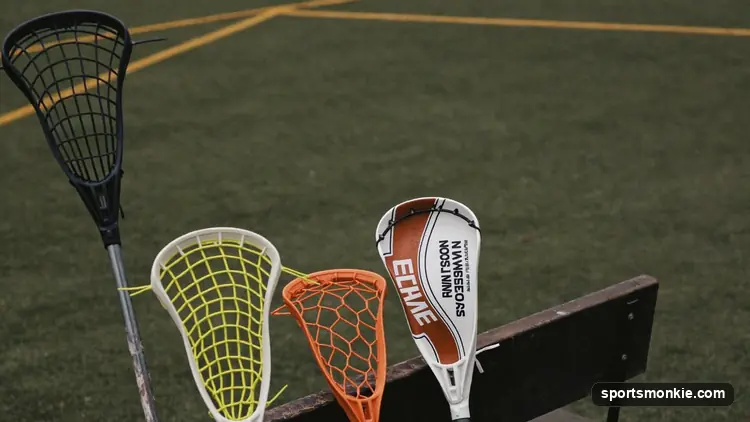
Lacrosse Stick Length Rules
Men's lacrosse sticks run 40-42 inches for attack and midfield, 52-72 for defense. Length rules by position, plus illegal sticks and long-pole limits.
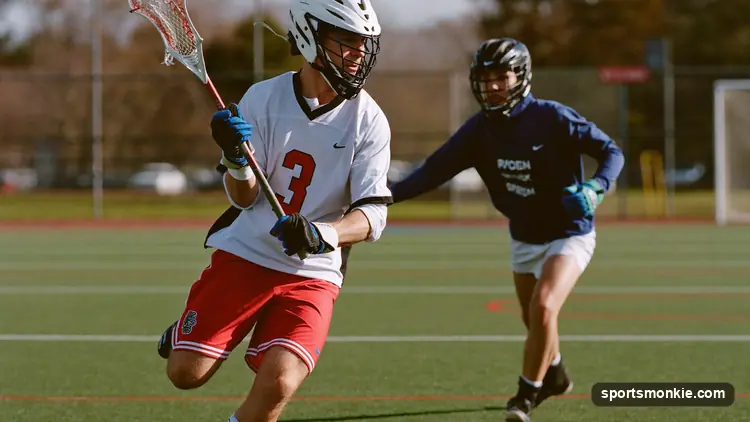
How to Cradle a Lacrosse Ball: Technique for Beginners
To cradle a lacrosse ball, move the stick head in a smooth curved arc so the ball stays pressed in the pocket. Learn one-hand and two-hand cradling here.
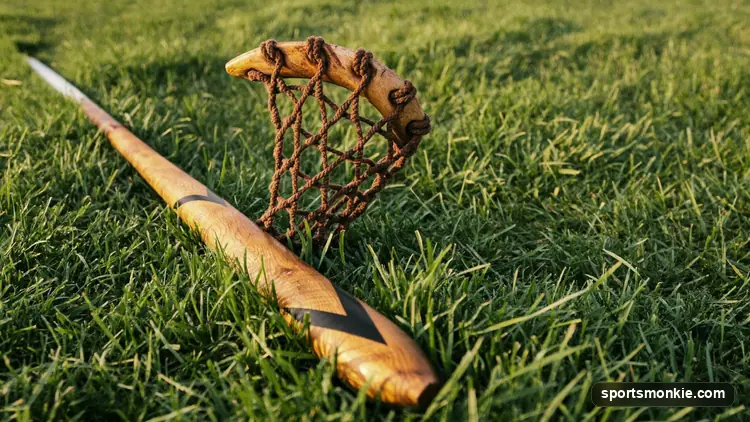
Wooden Lacrosse Sticks: History, Legality and Where to Get One
Wooden lacrosse sticks are still legal under NCAA and World Lacrosse rules. Here is their Haudenosaunee history, where they're allowed, and where to buy one.

AFL Rules Explained for Beginners
AFL is Australian rules football: 18 players a side on an oval, scoring 6-point goals and 1-point behinds. Marks, handballs, the 6-6-6 rule and how to follow it.
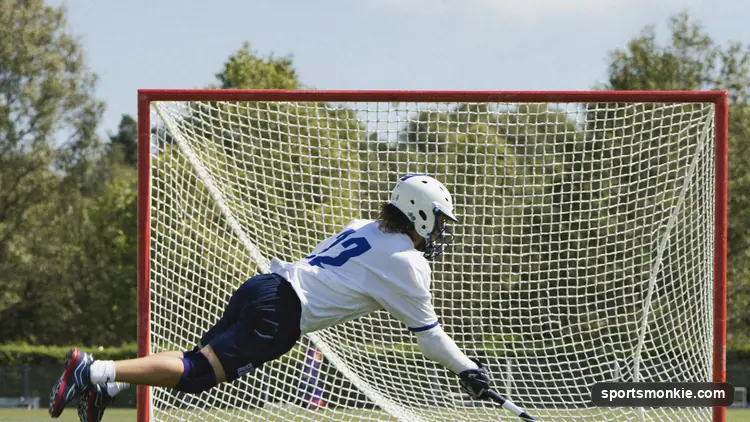
The Attackman Position in Lacrosse
An attackman is an offensive lacrosse player who stays on the attacking half to score and feed. The role, sticks and skills explained.
Box Lacrosse vs Field Lacrosse
Box lacrosse is a fast 5-on-5 indoor game; field lacrosse is a 10-on-10 outdoor sport. Rules, field, gear and physicality compared.