
The Behind-the-Back Lacrosse Shot: When and How to Use It
On this page5
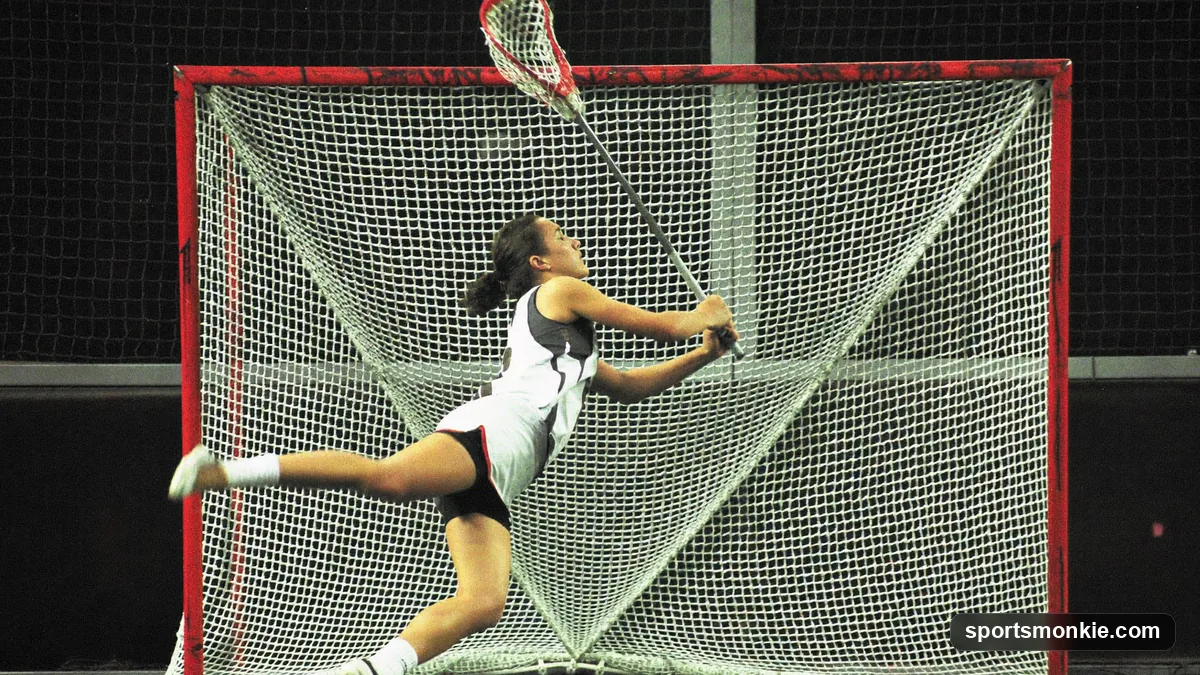
A behind-the-back (BTB) shot whips the ball around the back of your body and toward the goal, hiding the release so the goalie reads it a fraction too late. It looks like a highlight-reel flourish, and sometimes it is, but the reason good players keep it in the bag is practical: from a tight angle, on the doorstep, or when a normal wind-up would get checked, behind the back is often the highest-percentage shot available. Here is when it earns its place and how to build it without hurting yourself.
What a behind-the-back shot actually is
Instead of releasing in front of your body, you draw the stick head behind your torso and snap the ball out from there. The bottom hand does most of the work, pulling the shaft around and providing the whip; the top hand guides where it goes. Because the ball leaves from a spot the goalie cannot see until the last instant, the shot’s real weapon is disguise, not raw speed.
It is a legal shot — nothing in the World Lacrosse rulebook singles it out. The usual crease and shooting-space rules still govern where and how you finish, but the behind-the-back motion itself is just a shot.
When players use it
There are three situations where BTB is the smart choice, not a show-off pick:
- Tight angles behind or beside the goal. From X (behind the cage) or a sharp wing angle, your body blocks a normal shot. Wrapping behind the back gets the ball on net from a spot that otherwise has none.
- Doorstep finishes off a feed. When a pass arrives at the crease and you have no time to load a normal shot, a quick behind-the-back redirect beats the goalie’s reaction time.
- When a wind-up would get checked. Under pressure with a defender’s stick in your gloves, a compact BTB release can sneak a shot off where a big overhand motion would be stripped.
In open space with time and room, it is the wrong call — a clean overhand shot is more accurate and just as effective. Deception only matters when the alternative is worse.
Why it fools goalies
Goalies save by reading the shooter’s hands and setting their own hands to match. Behind the back removes that read. The stick disappears behind the body, the release point shifts, and the ball appears from an unexpected line. Even a fraction of a second of hesitation is enough at close range, which is exactly where most BTB shots are taken.
How to practice it safely
This is an advanced finish layered on top of fundamentals, so the order matters. Do not start here.
| Stage | What to work on |
|---|---|
| 1. Foundations first | A reliable overhand shot, confident cradling, soft hands |
| 2. Groove the path | Slow reps against a wall, no target, feeling the ball wrap and release |
| 3. Add a target | Aim at corners at half speed, both left and right sides |
| 4. Build velocity | Increase power over weeks, stopping at any wrist or shoulder pinch |
| 5. Live reps | Add a passer, then light pressure, then game-speed doorstep feeds |
A few safety points worth repeating. Warm the wrist and shoulder before you throw hard behind the back — the joint angle is awkward and cold reps invite strain. Keep early sessions short and slow; the accuracy comes from feel, and feel comes from volume at low speed, not from cranking it. And practice both sides so one arm does not carry all the load.
The single best tool for grooving it is a wall or a lacrosse rebounder, because you can fire, catch the ricochet, and repeat without chasing balls. A structured wall ball routine already builds the hand strength and stick control the BTB depends on, so it is the natural place to fold it in once your normal shot is solid.
Where it fits in your game
Treat the behind-the-back shot as a situational tool, not a default. Master the ordinary finishes first — our guide to shooting a lacrosse ball faster covers the mechanics that everything else builds on. Once a clean overhand shot is automatic, the BTB becomes what it should be: a reliable answer for the tight angles and crease scrambles where a normal shot simply is not there.
Frequently asked questions
Is a behind-the-back shot legal in lacrosse?+
Yes. There is nothing in the rulebook against shooting behind the back — it is a normal shot as far as officials are concerned. What still applies are the usual crease and shooting-space rules, so where you shoot from and how you follow through matter more than the fact the release is behind your body.
Why do lacrosse players shoot behind the back?+
Mainly for deception and angle. Behind the back hides the release point, so the goalie sees the ball late and struggles to set his hands. It also lets a player shoot from a tight angle behind or beside the goal, or finish a feed on the doorstep, where a normal overhand wind-up would be blocked or checked.
Is the behind-the-back shot hard to learn?+
It is an advanced finish, not a beginner move. You need a reliable normal shot, soft hands and confident cradling first, because the BTB relies on feel rather than sight. Most players spend months on fundamentals before it makes sense to add it. Rushed, it is inaccurate and can strain the wrist.
How do you practice a behind-the-back shot safely?+
Start slow against a wall or backstop with no target, grooving the path before adding power. Warm up the wrist and shoulder, keep early reps at half speed, and stop if you feel any pinch. Build velocity over weeks, not in one session, and always practice on both sides to avoid overloading one arm.
When should you not use a behind-the-back shot?+
Skip it when a clean overhand or sidearm shot is available — those are higher-percentage and easier to place. It is the wrong call in open space, on a fast break with time and room, or when you are still learning to shoot accurately. Save it for tight angles, doorstep finishes and moments a normal release is denied.
Do you use one hand or two for a behind-the-back shot?+
Two hands, in most cases. The bottom hand pulls the ball around the back and provides the whip, while the top hand guides direction, similar to a normal shot but with the stick tracking behind your torso. One-handed behind-the-back finishes exist but are far lower percentage and reserved for desperate angles.
Sources
Play & tools
Free browser games and tools — no account, no download.
- Play today's Sports Connections — Today's Sports Connections — daily hints, answers, and play the grid.
- Play Guess the NFL Player — A new mystery NFL player every day. Eight guesses, with a clue on each — plus free unlimited mode.
- Explore all our games →
Related guides
How to Shoot a Lacrosse Ball Faster: A Technique Guide
Shoot a lacrosse ball faster by generating torque with your hips and shoulders, driving the top hand and snapping the bottom. Here's the full technique.
The Fastest Lacrosse Shot Ever (And Average Speeds by Level)
The fastest lacrosse shot ever officially recorded is 119.9 mph by Patrick Luehrsen. See the record, plus average lacrosse shot speed by level.
How to Catch a Lacrosse Ball: Soft Hands in 3 Steps
To catch a lacrosse ball, present a target, give with the ball as it arrives, then cradle. Learn the soft-hands technique and beginner drills in three steps.
How to Cradle a Lacrosse Ball: Technique for Beginners
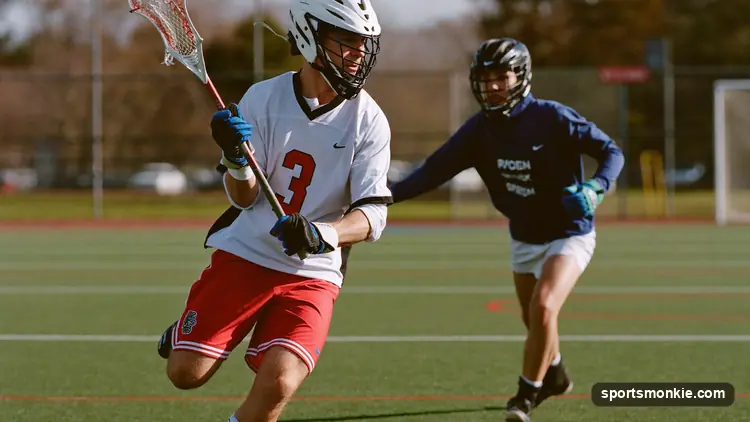
To cradle a lacrosse ball, move the stick head in a smooth curved arc so the ball stays pressed in the pocket. Learn one-hand and two-hand cradling here.
What Is a Quick Stick in Lacrosse? The Fastest Finish
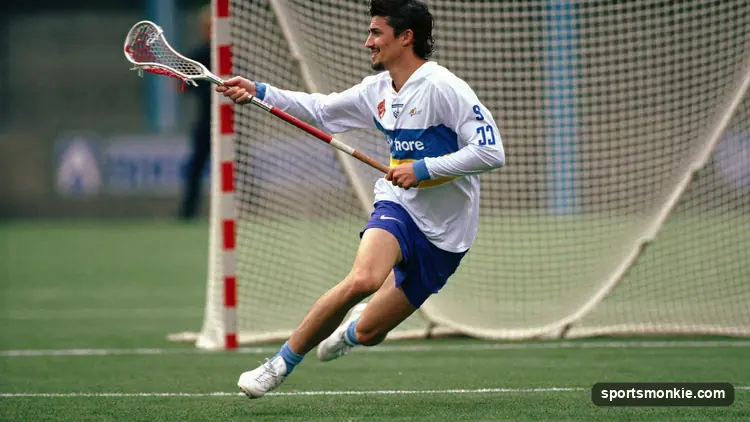
A quick stick in lacrosse is a one-motion catch-and-shoot that redirects a pass to goal without cradling. Here is when to use it and how to drill it.
Lacrosse Shot Clock Rules: NCAA, PLL and NLL Compared
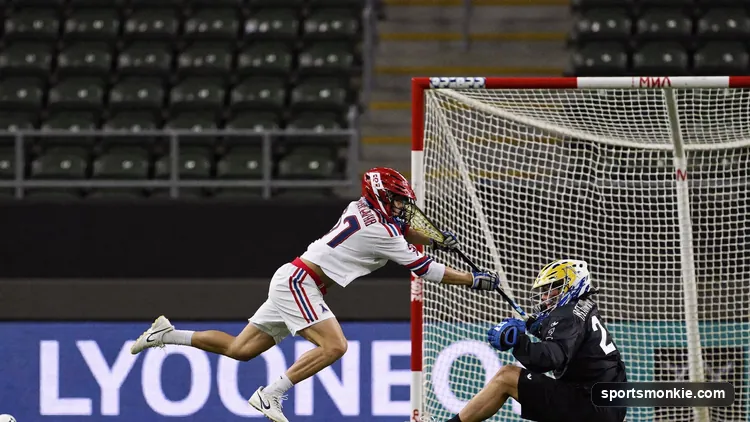
NCAA men's lacrosse uses an 80-second shot clock, the PLL uses 52 seconds, and box lacrosse (NLL) uses 30. Here's how each works and what resets it.