
Heptathlon Technique Guide: Hurdles, Jumps, Throws and 800m

On this page9
- 01What is the main technical goal in heptathlon?
- 02How should heptathletes run the 100m hurdles?
- 03What matters most in high jump technique?
- 04How should heptathletes approach shot put?
- 05How should heptathletes run the 200m?
- 06How should heptathletes long jump?
- 07What is the safest javelin technique priority?
- 08How should heptathletes pace the 800m?
- 09How do you decide which technique to fix first?
Heptathlon technique is about repeatable scoring across seven events. A clean hurdle race, legal jump attempts, safe throws and a controlled 800m often beat one spectacular event followed by a technical collapse.
The seven events in the heptathlon pull the athlete in different directions. Hurdles reward speed and rhythm. High jump rewards vertical takeoff. Shot put and javelin reward positions. The 800m rewards pacing under fatigue. Technique has to serve the total.
What is the main technical goal in heptathlon?
The main goal is to remove point leaks. In a single event, an athlete can chase one perfect technical model. In heptathlon, the first job is to make every event legal, repeatable and good enough to support the total.
That changes the coaching question. Instead of asking “What is the prettiest technique?” ask “Where are points disappearing?” It might be long jump fouls, a rushed javelin release, poor hurdle rhythm or a panicked 800m first lap.
How should heptathletes run the 100m hurdles?
The 100m hurdles rewards speed between barriers. The athlete needs a sharp start, tall sprint posture, a direct lead leg and a fast trail-leg recovery. Clipping a hurdle is not automatically a foul, but it breaks rhythm and costs time.
Beginners should not rush to full-height, full-speed repetitions every session. Lower hurdles, closer spacing and rhythm runs teach the pattern with less fear. Once posture is stable, the athlete can move toward the full race rhythm covered in our hurdles in track guide.
What matters most in high jump technique?
High jump technique starts with the approach. The curve sets up the takeoff, and the takeoff sets up the clearance. If the approach is inconsistent, the athlete is guessing before she leaves the ground.
For heptathletes, the practical priority is a reliable check mark, a controlled curve and a takeoff that goes up, not into the bar. The event can score heavily, but it can also waste energy if every attempt becomes a long technical argument. Our high jump explained guide covers the Fosbury Flop and miss rules in more detail.
How should heptathletes approach shot put?
Shot put technique should be simple enough to survive competition pressure. A heptathlete does not need to throw like a specialist on day one, but she does need a legal, balanced release that scores.
Start with the standing throw and power position. Build the block, hip drive and release path before adding a full glide or rotational movement. The implement is put, not thrown like a ball, so pushing mechanics and body position matter. See shot put explained for the event rules and basic mechanics.
How should heptathletes run the 200m?
The 200m is not just a short sprint tacked onto the end of day one. It is a bend-running event after hurdles, high jump and shot put. The athlete has to accelerate hard without tightening up too early.
A useful cue is “build through the bend, fight relaxation on the straight.” Overstriding, leaning out of the lane or forcing the shoulders usually costs more than it gives. The best heptathletes look fast but controlled through the transition off the curve.
How should heptathletes long jump?
Long jump technique is about speed into the board and a legal takeoff. A huge practice jump means little if the athlete fouls twice in competition and has to save the third attempt.
Use consistent approach marks, rehearse the penultimate step and keep the takeoff tall. Beginners should spend a lot of time on approach accuracy before chasing a full-speed hitch-kick. Our long jump explained article covers board rules, fouls and measurement.
What is the safest javelin technique priority?
The safest javelin priority is a controlled carry, clean withdrawal and release through the point. The javelin must land tip-first inside the sector, so a wild arm throw can waste an attempt even if it feels powerful.
Heptathletes get three javelin attempts. That makes the first legal throw important. Short approach throws, crossover drills and easy release work can build consistency before full run-ups. For more event detail, use our javelin throw explained guide.
How should heptathletes pace the 800m?
The 800m is the final event, so technique becomes emotional as much as physical. The athlete is tired, the scoreboard is live and the temptation is to sprint the first 200m. That is usually a mistake.
Most athletes need controlled aggression: fast enough to stay in the race, calm enough not to flood the legs before the bell. The final 250m is where medals and personal bests often move. A heptathlete who knows the points gap can pace with purpose instead of guessing.
How do you decide which technique to fix first?
Fix the event that is costing the most reliable points. Sometimes that is the lowest-scoring event. Sometimes it is the event with the most fouls or the biggest emotional swing.
Use the heptathlon scoring guide to compare the point value of improvements. A small technical change in hurdles or high jump might be worth more than a much harder gain in another event. The smartest technique plan is the one that moves the total.
Frequently asked questions
What technique matters most in heptathlon?+
Sprint and hurdle mechanics matter most early because they affect the 100m hurdles, 200m and long jump approach. But the best technical priority is the athlete's weakest point leak, often shot put, javelin or long jump fouls.
How should heptathletes hurdle?+
Heptathletes should prioritize rhythm and speed between hurdles. A clean three-step pattern is ideal for advanced athletes, but beginners may first need lower barriers, rhythm drills and consistent posture before full-height racing.
How should a heptathlete pace the 800m?+
The safest approach is controlled aggression: avoid sprinting the first 200m, settle into a hard but repeatable rhythm, then fight the final 250m. The right split depends on the athlete's endurance and the points needed.
Is high jump or long jump more important in heptathlon?+
Both can swing the scoreboard. High jump rewards vertical power and consistency, while long jump rewards speed and board accuracy. The bigger priority is usually the event where the athlete is losing more points.
How many javelin throws does a heptathlete get?+
In the heptathlon, athletes get three javelin attempts. That makes a safe legal first throw important, because two fouls can turn the final attempt into a pressure throw.
Should beginners use full run-ups in every jump and throw practice?+
No. Beginners often improve faster with shorter approaches, controlled positions and technical rehearsals. Full run-ups are useful, but only when the athlete can keep rhythm and safety at speed.
Sources
Play & tools
Free browser games and tools — no account, no download.
- Play today's Sports Connections — Today's Sports Connections — daily hints, answers, and play the grid.
- Play Guess the NFL Player — A new mystery NFL player every day. Eight guesses, with a clue on each — plus free unlimited mode.
- Explore all our games →
Related guides
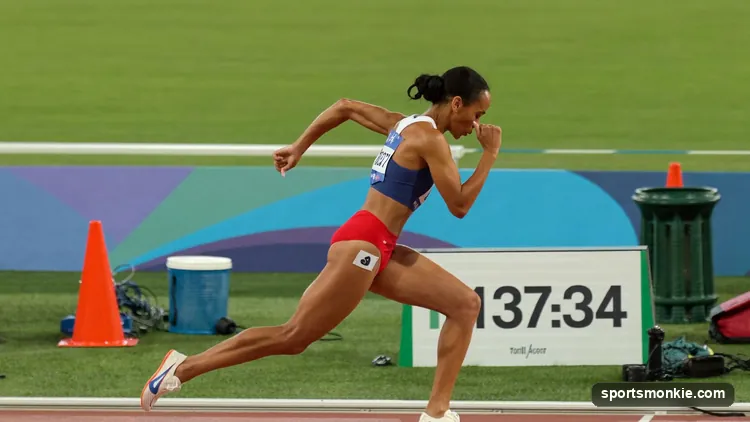
Heptathlon Events Explained: Order, Rules and Scoring
The heptathlon has seven events over two days. See the event order, scoring, false-start rules, tie rule, records and beginner training notes.

Heptathlon Training Guide: Beginner and High School Plan
A practical heptathlon training guide for beginners and high school athletes, with weekly structure, event priorities, recovery and common mistakes.
Breaststroke Kick Technique: Whip Kick, Faults & Drills
Master the breaststroke kick with a step-by-step whip kick sequence, ankle flexion cues, whip vs frog kick differences, and fixes for the most common faults.
Breaststroke Technique: Pull, Breathe, Kick, Glide Timing
Master breaststroke technique with the pull-breathe-kick-glide sequence, body undulation, and timing cues that fix common mistakes and make you faster.
How to Do the Butterfly Stroke: Technique Guide
Learn how to do the butterfly stroke with dolphin kick drills, two-kick timing, arm recovery cues, and breathing tips to swim fly smoothly and without exhaustion.
Freestyle Breathing Technique: Breathe Without Sinking
Master freestyle breathing with head-position, exhale-underwater, and bilateral breathing cues. Fix the lift-and-sink habit and swim relaxed for longer, faster laps.