
Pickleball Drills: The Practice List That Fixes Your Game
On this page5
The pickleball drills that move your rating fastest are the ones aimed at the shots you actually lose points on: cross-court dinking, the third-shot drop, serve-and-return depth, punch volleys and resets, and split-step footwork. Games hide your weak shot because you can dodge it. A drill drags it into the open and makes you hit it a hundred times, which is the only way it ever gets better.
Here is a practical list, organised by what each drill fixes, with a rough rep target so you know when you have done enough.
The core drill list
| Drill | What it fixes | Setup | Target |
|---|---|---|---|
| Cross-court dinking | Soft control, patience | Both at the kitchen, dink diagonally | 30 in a row before speeding up |
| Third-shot drop | Getting to the net | Partner feeds deep return, you drop | 10 clean drops into the kitchen |
| Serve deep + return deep | Consistency, depth | Alternate serving and returning to the back third | 8 of 10 land past the midline |
| Punch volley | Firm hands at the net | Partner feeds at your paddle, you block | 20 controlled volleys, no swing |
| Reset from the transition zone | Defending mid-court | Partner drives, you soften into the kitchen | 10 resets that die low |
| Split-step footwork | Court coverage | Shadow or live, split as partner contacts | Every ball, no exceptions |
Do not run all six every session. Pick the one shot that cost you points last time you played and drill that, then add one supporting drill.
Start with dinking — it teaches touch
The dink is the base skill everything else borrows from. Stand at the kitchen line with a partner and rally soft, unattackable balls diagonally cross-court. The goal is not to win the exchange; it is to keep thirty going without popping one up. Cross-court gives you the longest, safest angle and the most margin, so it is where control is built.
When straight dinks feel easy, add movement: dink to your partner’s backhand, then their forehand, so you are shifting your feet between every ball. Most missed dinks are footwork errors, not hand errors.
Drill the third shot in isolation
The third-shot drop is the shot that gets the serving team to the net, and it is the one most club players skip because it is hard. Have your partner stand at the kitchen and feed you a deep ball near the baseline. Your job is a soft, arcing drop that lands in their kitchen. Hit ten clean ones before you let yourself count score.
Once the drop is landing, chain it: hit the drop, then jog forward and play out the dink rally it sets up. That live-ball version is what makes it hold under match pressure.
Serve, return, and volleys
Serve-and-return is the least glamorous drill and the highest-value one, because every point starts with two shots that just need to land deep. Alternate serving and returning into the back third of the court; a deep return in particular pins the serving team back and buys your team the kitchen line. Aim for eight of ten past the midline before you worry about anything fancy. The exact legal motion is covered in our guide to the serve rules and the depth targets in return of serve — drill against those, not against a vague sense of “in.”
For volleys, have a partner feed balls at your paddle while you stand just behind the kitchen line. Block and punch — no backswing. Half the drill is hands, half is discipline about not stepping into the non-volley zone, which is a fault if you make contact with a volley there.
Footwork ties it together
Every drill above quietly depends on your feet. Add a deliberate split-step — a small hop that lands as your opponent contacts the ball — to every rep, and practise the shuffle-and-recover through the transition zone so you are balanced when you hit. A dedicated session on pickleball footwork pays off across every shot, because a ball you reach on balance is a ball you can control.
Ready to turn these reps into wins? Once the shots are grooved, the tactics in our pickleball doubles strategy guide tell you when to use each one. Drill the shot in isolation, prove it in a live rally, then trust it in a game — in that order, every time.
Frequently asked questions
How long should a pickleball drill session be?+
Thirty to forty-five minutes is plenty if it is focused. Spend the first ten minutes on one weak shot in isolation, then use the rest chaining it into rallies. Long sessions lose quality fast; a short block where every rep has a target beats an hour of aimless hitting.
Can you practise pickleball alone?+
Yes. Serve targets against an empty court, drop-feed dinks off a wall, and shadow your footwork with split-steps and shuffles. A wall is the most underrated partner in the sport — it never tires and it returns everything, which forces you to reset your paddle between shots. Only volleys and live dinking really need a second person.
What drill helps the most for a 3.0 player?+
The third-shot drop, drilled cooperatively. It is the shot that most separates 3.0 from 3.5 players, and most 3.0s either skip it or drive everything. Have a partner feed you deep returns and drop ten in a row into the kitchen before you let yourself keep score.
How many reps before a shot becomes automatic?+
Think in hundreds, not dozens. A new grip or contact point needs a few thousand quality reps across several sessions before it holds up under match pressure. That is why isolation drilling matters — you cannot get the volume you need if the shot only comes up a handful of times per game.
Should beginners drill or just play games?+
Both, but drill more than most beginners do. Games are fun and teach decision-making, but they hide your weakest shot because you avoid it. Ten minutes of drilling the shot you dodge in games is worth more than another full match. Aim for a rough split of one part drilling to two parts play.
What is a dead-ball versus live-ball drill?+
A dead-ball drill uses hand-fed or self-fed balls so you can groove one motion without pressure — good for building a new stroke. A live-ball drill keeps a real rally going so the shot has to work under movement and timing. Build a shot dead-ball first, then prove it live before you trust it in a game.
Sources
Play & tools
Free browser games and tools — no account, no download.
- Play today's Sports Connections — Today's Sports Connections — daily hints, answers, and play the grid.
- Play Guess the NFL Player — A new mystery NFL player every day. Eight guesses, with a clue on each — plus free unlimited mode.
- Explore all our games →
Related racket sports guides
View all →
How to Hold a Pickleball Paddle: Grips and Grip Pressure
How to hold a pickleball paddle: the continental and eastern grips, the neutral ready grip, and how much grip pressure to use for control.
How to Play Pickleball Singles: Strategy and Court Coverage
Pickleball singles strategy: where to serve, how to cover the court, when to attack, and why it rewards fitness and placement over doubles touch.
How to Serve in Pickleball: Technique for a Consistent Serve
A step-by-step pickleball serve technique: grip, ball drop or toss, contact point below the waist, and follow-through for a deep, reliable serve.
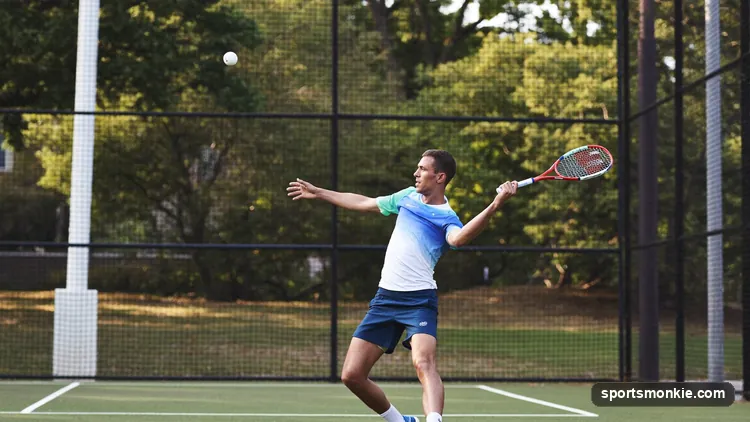
Pickleball Backhand Technique: One-Handed vs Two-Handed
Pickleball backhand technique: one-handed vs two-handed, plus how to hit the backhand dink, drive and volley with control and depth.
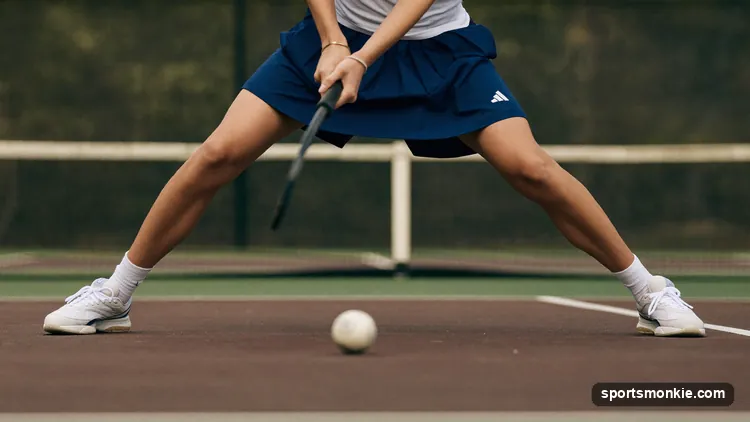
Pickleball Footwork: Split Step, Shuffle and Recovery
Pickleball footwork basics: the split step, the shuffle, recovery to ready position, and how to move through the transition zone under control.
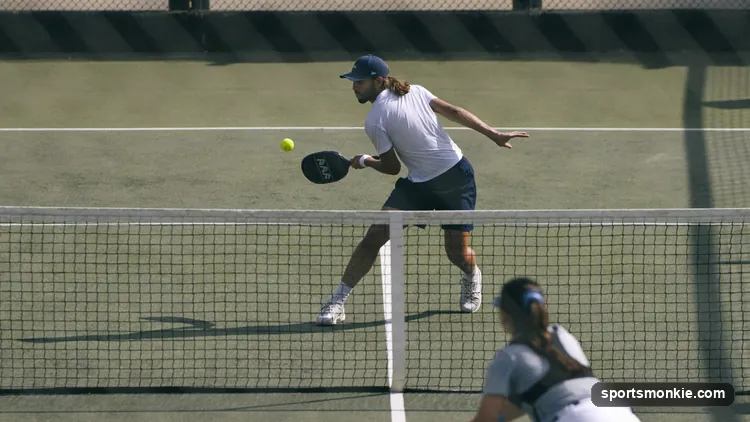
Pickleball Lob Shot: When to Use It and How to Defend One
The pickleball lob explained: offensive vs defensive lobs, when to use each, how to hit one over the net players, and how to defend a lob.