
Pickleball Backhand Technique: One-Handed vs Two-Handed
On this page5
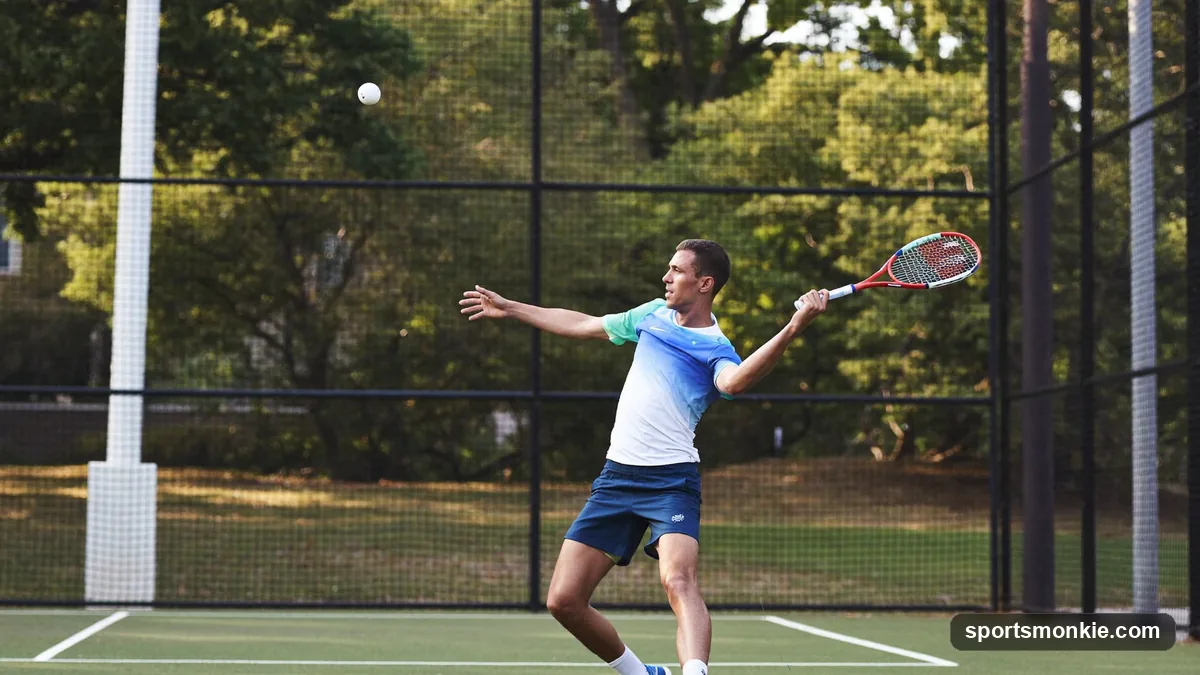
A solid pickleball backhand starts with a continental grip, an early shoulder turn, and contact out in front of your body. From there the choice is one hand or two: a one-hander gives you more reach and quicker deployment at the net, while a two-hander adds stability and power from the baseline. The backhand is not one shot but three — a dink, a drive and a volley — each built on the same setup with a different length of swing.
One hand or two?
Neither is “correct.” They are tools for different situations, and many of the best players use both.
| One-handed backhand | Two-handed backhand | |
|---|---|---|
| Reach | Longer — good for wide balls and the net | Shorter |
| Power | Moderate | Higher — more racket-head speed |
| Net speed | Faster to deploy | Slightly slower to set both hands |
| Stability | Depends on wrist strength | More stable, less wristy |
| Best for | Dinks, volleys, reach balls | Drives, returns, players who lack single-hand strength |
A practical default for most players: one hand at the kitchen line, where reach and quick switching matter, and two hands on drives and returns from the baseline, where power and stability win. If your single-handed backhand feels flimsy, adding the second hand is the fastest fix.
The backhand dink
The backhand dink is almost all touch. Use a continental grip, relax the hand to around 3 out of 10, and get low with your legs rather than reaching down with your arm. Contact the ball out in front and lift it gently so it clears the net and dies in the kitchen. The swing is tiny; your legs and a quiet wrist do the work. Most missed backhand dinks are a failure to get low, not a failure of the hand.
The backhand drive
The drive is where the two-handed grip pays off. Turn your shoulders early, load your legs, and unwind into the ball with contact well out in front. Power comes from the body uncoiling, not from slapping with the arm — late contact is the single biggest power leak on the backhand. Follow through toward your target and keep the ball flat and deep. Drives work best off a ball that sits up around waist height; against a low ball, drop or dink instead.
The backhand volley
At the net, the backhand becomes a punch. Keep the paddle up in the ready position, firm the grip briefly, and block through the ball with a short, compact motion and no backswing. The pace is borrowed from the incoming ball; your job is a firm, controlled contact point. Stay balanced behind the line and mind your feet — making contact with a volley while standing in the non-volley zone is a fault, and reaching for a low volley is a common way to fall in.
Drill it until it is a strength
The backhand is the wing most club players hide, which is exactly why opponents aim there. Turn it into a weapon by drilling it in isolation: backhand dinks cross-court, backhand drives off a feed, and backhand volleys at the net. Our full pickleball drills guide has rep targets for each. Fix the contact point out in front, choose one hand or two for each situation, and the shot opponents used to attack becomes the one you dare them to hit to.
Frequently asked questions
Is a one-handed or two-handed backhand better in pickleball?+
It depends on the shot. One-handed backhands give more reach and are faster to get into position at the net, which suits dinks and volleys in tight kitchen exchanges. Two-handed backhands are more stable and hit harder, which suits drives and returns from the baseline. Many strong players use both — one hand at the net, two from the back.
Why is my backhand so weak in pickleball?+
Usually late contact and a stiff, arm-only swing. If you meet the ball beside or behind your body the backhand loses all its power and control. Turn your shoulders early, contact the ball out in front, and drive from the shoulder and legs rather than just the wrist. A two-handed grip also adds stability if the single-hander feels flimsy.
How do you hit a backhand dink?+
With a continental grip, a relaxed hand and a short, soft push from the shoulder. Get low, contact the ball out in front and lift it gently so it clears the net and dies in the kitchen. Keep the wrist quiet and the swing small — a backhand dink is almost all touch and almost no swing, controlled by your legs getting you low to the ball.
What grip is used for a pickleball backhand?+
A continental grip handles the one-handed backhand and lets you switch instantly between forehand and backhand at the net. For a two-handed backhand, the dominant hand stays continental while the non-dominant hand adds an eastern-forehand grip above it for stability. The continental base is what makes the quick net switches possible.
How do I add power to a backhand drive?+
Turn your shoulders and load your legs, then unwind into the ball with contact out in front — power comes from the body uncoiling, not the arm alone. A two-handed grip helps most players generate more racket-head speed on the backhand. Follow through toward your target and keep the contact point in front; late contact is the biggest power leak.
How do you hit a backhand volley at the net?+
Keep the paddle up in front of you, firm the grip briefly, and punch through the ball with a short, compact motion — no backswing. The pace comes from the incoming ball and a firm, blocking contact, not from a swing. Stay balanced behind the kitchen line and be careful not to step in and volley from inside the non-volley zone.
Sources
Play & tools
Free browser games and tools — no account, no download.
- Play today's Sports Connections — Today's Sports Connections — daily hints, answers, and play the grid.
- Play Guess the NFL Player — A new mystery NFL player every day. Eight guesses, with a clue on each — plus free unlimited mode.
- Explore all our games →
Related racket sports guides
View all →
Pickleball Volley Technique: Punch, Block and Reset
Pickleball volley technique: the punch volley, the block and reset, and how to volley at the kitchen line without faulting in the non-volley zone.
What Is a Dink in Pickleball? The Soft Shot Explained
A dink is a soft pickleball shot that arcs just over the net into the opponent's kitchen, too low to attack. Here's why it's used and how to hit one.
How to Serve in Pickleball: Technique for a Consistent Serve
A step-by-step pickleball serve technique: grip, ball drop or toss, contact point below the waist, and follow-through for a deep, reliable serve.
Pickleball Lob Shot: When to Use It and How to Defend One
The pickleball lob explained: offensive vs defensive lobs, when to use each, how to hit one over the net players, and how to defend a lob.
How to Hold a Pickleball Paddle: Grips and Grip Pressure
How to hold a pickleball paddle: the continental and eastern grips, the neutral ready grip, and how much grip pressure to use for control.
How to Play Pickleball Singles: Strategy and Court Coverage
Pickleball singles strategy: where to serve, how to cover the court, when to attack, and why it rewards fitness and placement over doubles touch.