
How to Serve in Pickleball: Technique for a Consistent Serve
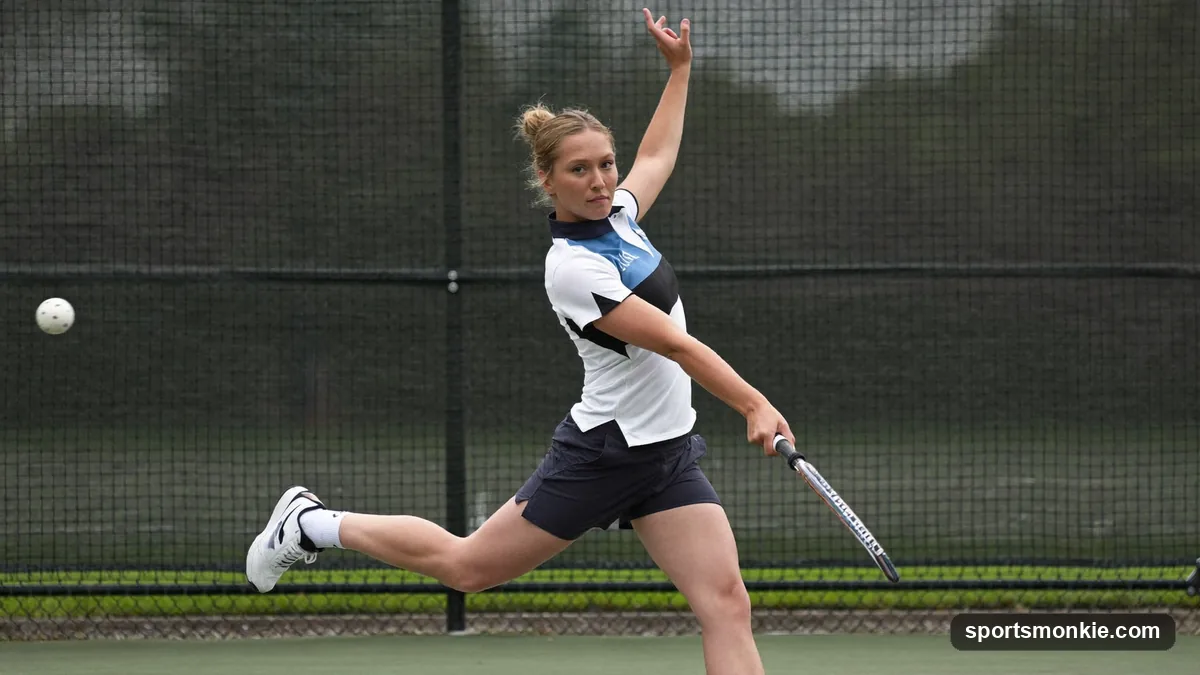
A consistent pickleball serve comes from four repeatable pieces: a relaxed grip, a still ball drop or a low toss, contact out in front and below your waist, and a smooth low-to-high swing that finishes toward your target. You only get one serve, so the aim is not a weapon — it is a deep, reliable ball you can hit the same way every time. Groove that and the serve becomes the most automatic shot in your game.
This guide is about the mechanics of the motion. For where you have to stand, the diagonal box and the fault rules, read the pickleball serving rules — this article assumes those and focuses on how to actually hit the ball well.
Step by step: the serve motion
- Grip it lightly. Use a continental grip — the same one you would use for most shots — and hold it around 4 out of 10. A tight grip adds tension and pace you do not want here.
- Set your stance. Stand behind the baseline, feet shoulder-width, front foot pointing roughly toward your target box. You are side-on, not square to the net.
- Drop or toss the ball low. For a drop serve, release the ball from a still hand and let it bounce once, then hit it. For a traditional serve, use a small toss or release just in front of your paddle. Either way, keep it low and repeatable — the less the ball moves, the less can go wrong.
- Contact below the waist, out in front. Meet the ball below waist level with the paddle head below your wrist, out in front of your body. This low contact is what keeps the serve legal and gives you the upward path.
- Swing low to high. Brush up the back of the ball in a smooth arc from the shoulder. Let the swing lift the ball, rather than chopping down or slapping across it.
- Follow through to the target. Finish with the paddle moving toward the deep corner you are aiming at. A follow-through that points at your target is a serve that goes there.
Depth beats power
The single biggest upgrade to most serves is not speed — it is depth. A serve that lands in the back third of the service box pushes the returner behind the baseline and slows their rush to the kitchen line, which buys your team time on the third-shot drop. Aim about seventy percent pace, flat and deep, and pick a target: the returner’s backhand corner is the highest-value spot.
Short serves are the opposite. They let the returner step in, take the ball early, and reach the net first. Given that you only get one attempt, a reliable deep serve that lands nine times out of ten is worth far more than a hard one that misses.
The most common serve mistakes
- Too much wrist. A wristy slap is inconsistent and often illegal. Swing from the shoulder with a quiet wrist.
- Contact too far back. Meeting the ball beside or behind your hip drops it into the net. Contact out in front.
- Aiming at the box, not a spot. Pick an actual target — the deep backhand corner — and your depth improves immediately.
- Chasing spin too early. You can add safe paddle spin later, but only once the clean deep serve is grooved. Spin on top of an unreliable serve just adds a second thing to miss.
Once your serve lands deep and repeatable, the natural next skill is the return of serve, which starts every point you are receiving. Build the serve first, though — it is the one shot in pickleball you control completely, with no opponent’s ball to react to, so there is no excuse for it to be the weak link.
Want more on the theme? Read How to Play Pickleball Singles next.
Frequently asked questions
Should I use a drop serve or a toss serve?+
The drop serve is easier to repeat because you release the ball from a still hand and let it bounce, removing the timing of a toss. Most players learning the game are better served by it. The traditional serve, hit out of the air before it bounces, allows a little more pace once your timing is grooved, so many advanced players keep it.
Why does my serve keep going long or into the net?+
Long usually means too much swing or an upward launch angle — shorten the follow-through and aim flatter and deeper rather than harder. Into the net usually means contact too far behind you or a downward chop. Meet the ball out in front and swing low to high; a consistent contact point fixes most direction errors.
How hard should I hit a pickleball serve?+
About seventy percent. Because you only get one serve and the return is easier to handle than in tennis, depth and reliability beat speed. A medium-pace serve that lands in the back third of the box pins the returner back and starts the point in your favour far more often than a hard serve you miss one time in four.
Where should a pickleball serve land?+
Deep, in the back third of the diagonal service box, and ideally to the returner's backhand. A deep serve pushes the returner behind the baseline, which delays their move to the kitchen and gives your side more time on the third shot. A short serve lets them step in and take the net early.
Does the serve have to be underhand?+
Yes. The paddle must move in an upward arc and contact must be below your waist, with the paddle head below your wrist at contact. That is what makes it an underhand serve. Overhand and sidearm serves are not legal, which is why the whole motion is built around a low, upward swing.
Can I add spin to my serve?+
You can impart spin with the paddle during the natural serving motion, but you may no longer spin the ball with your hand before releasing it — the pre-release finger or 'chainsaw' spin was banned. Learn a clean, deep serve first; safe paddle spin is a refinement to add once the depth and contact point are reliable.
Sources
Play & tools
Free browser games and tools — no account, no download.
- Play today's Sports Connections — Today's Sports Connections — daily hints, answers, and play the grid.
- Play Guess the NFL Player — A new mystery NFL player every day. Eight guesses, with a clue on each — plus free unlimited mode.
- Explore all our games →
Related racket sports guides
View all →
Pickleball Spin Serve: What's Legal and How to Add Spin
The pickleball spin serve explained: the pre-release hand spin is banned, but legal paddle spin is allowed. How to add safe spin the right way.
How to Hold a Pickleball Paddle: Grips and Grip Pressure
How to hold a pickleball paddle: the continental and eastern grips, the neutral ready grip, and how much grip pressure to use for control.
Pickleball Backhand Technique: One-Handed vs Two-Handed
Pickleball backhand technique: one-handed vs two-handed, plus how to hit the backhand dink, drive and volley with control and depth.
Pickleball Return of Serve: Hit Deep and Get to the Net
How to return serve in pickleball: hit deep to pin the server back, follow your return to the kitchen line, and target the backhand for control.
Pickleball Volley Technique: Punch, Block and Reset
Pickleball volley technique: the punch volley, the block and reset, and how to volley at the kitchen line without faulting in the non-volley zone.
How to Play Pickleball Singles: Strategy and Court Coverage
Pickleball singles strategy: where to serve, how to cover the court, when to attack, and why it rewards fitness and placement over doubles touch.