
Pickleball Spin Serve: What's Legal and How to Add Spin
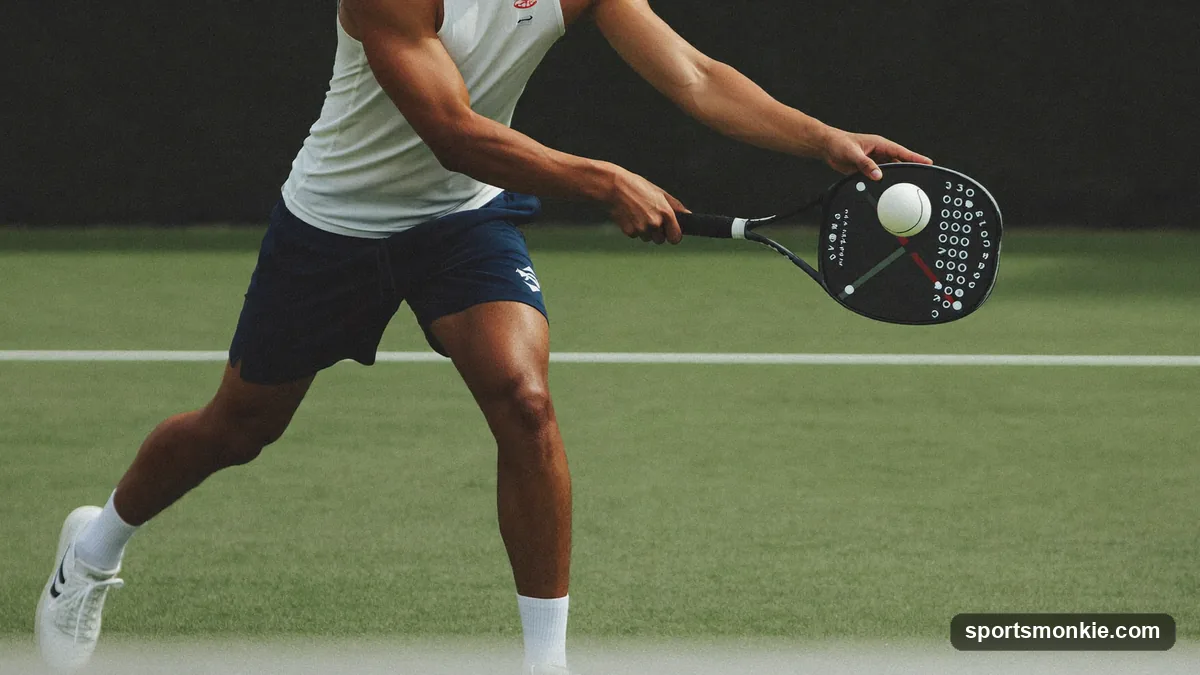
You can put spin on a pickleball serve — but only with the paddle, during the natural serving motion. The pre-release hand spin, where a server spun the ball with their fingers or rolled it off the paddle edge before striking it (often called the “chainsaw” serve), was banned. Any legal spin now has to come from the paddle brushing the ball as you swing. Learn a clean, deep serve first; spin is a refinement on top of that, not a substitute for it.
What’s banned and what’s legal
This is the part people get wrong, so let’s be precise.
- Banned: imparting spin to the ball with your hand, fingers, or by rolling it off the paddle before you strike it. Pre-release spin of any kind is not allowed. This is what killed the chainsaw serve.
- Legal: spin generated by the paddle during the serve swing itself, as long as the serve is otherwise legal — an underhand motion, contact below the waist, and the paddle head below your wrist at contact.
In plain terms: you must release the ball cleanly, then create any spin with how the paddle brushes it. The rule exists because pre-release hand spin produced serves that were nearly impossible to return, tilting the game toward the serve. Paddle spin during the swing keeps the serve as a rally-starter. For the full legal motion and where you stand, see the pickleball serving rules.
How to add legal spin
Once your clean serve is grooved (start with the serve technique fundamentals if it is not), spin is a matter of how the paddle meets the ball:
- Topspin — brush up. Instead of hitting flat through the ball, swing low to high and brush up the back of it. The upward grip rolls topspin on, so the serve carries deep with margin over the net and kicks forward on the bounce.
- Sidespin — brush across. Swing across the back of the ball from one side to the other. The ball curves in the air and skids sideways off the bounce, dragging the returner off the court.
- Keep it legal. Whatever the brush direction, contact stays below your waist with the paddle head below your wrist, and the ball release stays clean — no hand spin.
- Release the ball the same way every time. A neutral drop or low toss, identical on every serve, so the only variable is the paddle brush. That is what keeps a spin serve consistent instead of wild.
Spin vs a plain deep serve
| Topspin serve | Sidespin serve | Plain deep serve | |
|---|---|---|---|
| Main benefit | Dives in, more net margin | Pulls returner wide | Simple, reliable |
| Difficulty | Moderate | Higher | Low |
| Best for | Adding margin on a deep serve | Opening the court | Everyone, as the foundation |
| Risk | Can sit up if brush is weak | Easy to miss wide | Very low |
The honest verdict: spin helps a little, and depth helps a lot. Because you get only one serve and the return is not the free point it is in tennis, a reliable deep serve to the backhand corner wins more than a fancy spin serve you miss one time in four. Add spin when your plain serve already lands nine times out of ten.
A spin serve is a bonus, not a rescue. Groove the clean, deep motion, keep the ball release honest, and let the paddle do the spinning — that keeps you legal under the current rules and, more importantly, keeps the serve working when the score is tight. If your depth still wanders, the fix is in the serve technique guide, not in more spin.
Frequently asked questions
Is the spin serve legal in pickleball?+
Spin from the paddle during the serving motion is legal. What is banned is imparting spin to the ball with your hand or fingers before you release it — the pre-toss 'chainsaw' spin. As long as any spin comes from the paddle brushing the ball during a legal underhand serve, and contact is below the waist with the paddle below the wrist, the serve is fine.
Why was the chainsaw serve banned?+
The chainsaw and finger-spin serves let servers rip heavy, unpredictable spin by rolling the ball off the paddle edge or spinning it with the hand before contact, making returns almost unplayable and skewing the game toward the serve. USA Pickleball outlawed pre-release hand spin so that the serve stays a rally-starter rather than a weapon. Paddle-generated spin during the swing remains allowed.
How do I add topspin to my serve?+
Brush the paddle low to high up the back of the ball as you swing, rather than hitting flat through it. The upward brushing motion grips the ball and rolls topspin onto it, which makes the serve dive down into the court and kick forward on the bounce. Keep contact below the waist and finish the swing up toward your target.
How do I add sidespin to a serve?+
Brush the paddle across the back of the ball — from one side toward the other — during the swing instead of straight through it. Sidespin curves the ball in flight and makes it skid sideways off the bounce, pulling the returner off the court. As with topspin, the spin must come from the paddle motion, not from your hand before release.
Does spin actually help on a pickleball serve?+
A little. Topspin lets you hit with more margin over the net while still landing deep, and sidespin can push the returner wide. But because you only get one serve and the return is relatively easy to handle, depth and consistency matter more than spin. Add spin once your clean deep serve is reliable, not before.
Can I still spin the ball with my hand at all?+
Not to gain an advantage on the serve. The rule specifically prohibits imparting spin to the release of the ball with any part of the body before striking it. You simply drop or toss the ball cleanly and generate any spin with the paddle. A neutral release plus a brushing paddle motion keeps you inside the rules.
Sources
Play & tools
Free browser games and tools — no account, no download.
- Play today's Sports Connections — Today's Sports Connections — daily hints, answers, and play the grid.
- Play Guess the NFL Player — A new mystery NFL player every day. Eight guesses, with a clue on each — plus free unlimited mode.
- Explore all our games →
Related racket sports guides
View all →
How to Serve in Pickleball: Technique for a Consistent Serve
A step-by-step pickleball serve technique: grip, ball drop or toss, contact point below the waist, and follow-through for a deep, reliable serve.
Pickleball Return of Serve: Hit Deep and Get to the Net
How to return serve in pickleball: hit deep to pin the server back, follow your return to the kitchen line, and target the backhand for control.
Pickleball Serving Rules: The Legal Serve, Explained
A legal pickleball serve is hit underhand below the waist from behind the baseline, diagonally, with one attempt. The drop serve and full rules here.
How to Hold a Pickleball Paddle: Grips and Grip Pressure
How to hold a pickleball paddle: the continental and eastern grips, the neutral ready grip, and how much grip pressure to use for control.
How to Play Pickleball Singles: Strategy and Court Coverage
Pickleball singles strategy: where to serve, how to cover the court, when to attack, and why it rewards fitness and placement over doubles touch.
Is There a Let in Pickleball? No — the Net Serve Is Live
There is no let serve in pickleball. Since 2021 a serve that clips the net and lands in is live and played on. Here's what changed and why.