
How to Play Pickleball Singles: Strategy and Court Coverage
On this page4
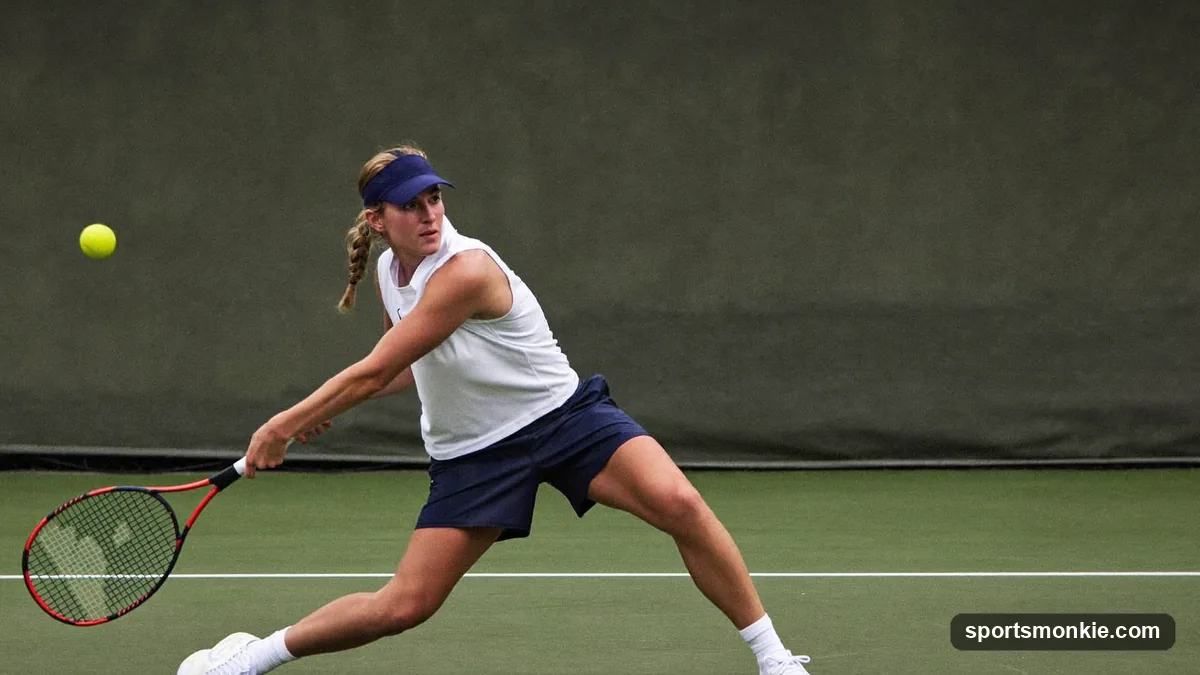
Winning pickleball singles is about placement and court coverage, not power. Serve deep to push your opponent back, recover to the middle of the baseline after every shot to cut off their angles, and hit into open space or behind them to make them run. The kitchen dominates less than it does in doubles, because a lone player who charges the net can be passed or lobbed. Singles rewards fitness, deep consistent serving and returning, and the patience to wait for the short ball.
This is the strategy and how-to. The court dimensions, serving-position and scoring specifics are in our guide to the pickleball singles rules — read that for the letter of the game; this article is about how to actually win points.
Serve and return deep, every time
Depth is the engine of singles. A deep serve pushes your opponent behind the baseline so their return is defensive, and a deep return does the same to you when you are receiving. The exchange is a battle for court position: whoever hits shorter first invites the other to step in and take control.
Unlike doubles, you generally do not sprint to the net behind your serve or return. A single player at the net is exposed to a pass down either line or a lob overhead, so charging in behind a weak ball loses more points than it wins. Build depth, then pick your moment.
Recover to the middle
The most important habit in singles is recovering to the centre of the baseline after every shot. Here is why: the middle is the point that splits your opponent’s possible angles, so it minimises the distance you have to run for their next ball.
- Hit, then recover — do not admire the shot from where you struck it.
- Shade toward the ball — if you hit to their forehand corner, recover a step toward that side, since the sharpest reply comes back cross-court.
- Never get caught out wide — a ball to the open court when you are stranded on one sideline is the classic way to lose a singles point.
Move your opponent, then attack
Singles points are won by making the other player run, not by hitting harder. Work the court corner to corner with deep balls, and when your opponent finally sends back a short one, step in and attack — into the open space they just vacated, or behind them as they scramble to recover.
The two highest-value finishing shots are the passing shot down the line and a disguised lob over a player who has come in. Both punish movement rather than relying on pace. A deep, aggressive approach that limits your opponent’s reply is your green light to come to the net; anything less, and you are better off holding the baseline and playing the geometry.
Singles vs doubles: what changes
| Singles | Doubles | |
|---|---|---|
| Court to cover | Whole court alone | Half, with a partner |
| Net dominance | Lower — passes and lobs punish it | High — control the kitchen and you win |
| Key fitness demand | High, constant movement | Moderate, more positional |
| Winning pattern | Move opponent, hit to space | Get to the net, out-patience the dink |
| Serve depth | Critical | Important |
If your instinct is the soft, patient net game, you will feel more at home in doubles strategy; if you like covering ground and hitting through the court, singles is your format. Either way, deep serves and clean returns are the foundation — brush up the serve technique and you will start more points from the front foot. Cover the middle, make them run, and wait for the ball that is finally short enough to attack.
Frequently asked questions
Is pickleball singles harder than doubles?+
Physically, yes — you cover the whole court alone, so singles rewards fitness and movement far more than doubles. Tactically it is simpler in some ways, since there is no partner to coordinate with, but the running is relentless. Players who love the soft dink game often prefer doubles; those who enjoy covering ground and hitting through the court gravitate to singles.
Where should you stand to return serve in singles?+
Deep, near or just behind the baseline, centred toward the middle so you can cover both a wide serve and one at your body. After you return, recover to the centre of the baseline rather than following the ball to the net — charging in behind a return in singles leaves you exposed to a pass. Establish depth first, pick your moment to advance.
Should you rush the net in singles pickleball?+
Only behind a strong approach, and less often than in doubles. A lone player at the net can be passed down either sideline or lobbed overhead, so charging in behind a weak ball is punished. Come in when you have hit a deep, aggressive shot that limits your opponent's reply — otherwise hold the baseline and play the geometry.
Where do you recover to after each shot in singles?+
The middle of the baseline, adjusted slightly toward the side you hit to. Recovering to centre splits your opponent's possible angles so you have the shortest distance to run for their reply. Standing where you just hit, rather than resetting to the middle, is the most common positional mistake in singles.
How is singles serving different from doubles?+
In singles, your serving position is determined by your score — you serve from the right side when your score is even and the left when it is odd — and there is only one server per side. Deep serves matter even more because a deep return keeps you both back, and a short serve invites your opponent to attack an approach. The legal motion is identical to doubles.
What is the best shot to win a singles point?+
A deep ball that moves your opponent, followed by a shot into the space they vacated or behind them as they recover. Winners come from making the other player run, not from raw pace. The passing shot down the line and the well-disguised lob are the two shots that most reliably end points once you have opened up the court.
Sources
Play & tools
Free browser games and tools — no account, no download.
- Play today's Sports Connections — Today's Sports Connections — daily hints, answers, and play the grid.
- Play Guess the NFL Player — A new mystery NFL player every day. Eight guesses, with a clue on each — plus free unlimited mode.
- Explore all our games →
Related racket sports guides
View all →
Pickleball Lob Shot: When to Use It and How to Defend One
The pickleball lob explained: offensive vs defensive lobs, when to use each, how to hit one over the net players, and how to defend a lob.
Pickleball Return of Serve: Hit Deep and Get to the Net
How to return serve in pickleball: hit deep to pin the server back, follow your return to the kitchen line, and target the backhand for control.
Third-Shot Drop in Pickleball: Why It Wins Points
The third-shot drop is a soft arc from the baseline into the opponent's kitchen that lets the serving team advance to the net. Here's how to hit it.
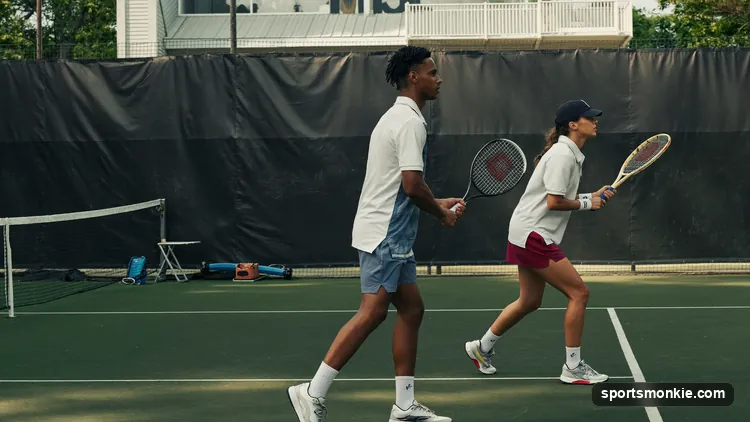
Pickleball Strategy for Beginners: 5 Habits That Win Points
A beginner pickleball strategy primer: serve deep, get to the kitchen, dink with patience, aim the middle, and keep the ball in play to win more points.
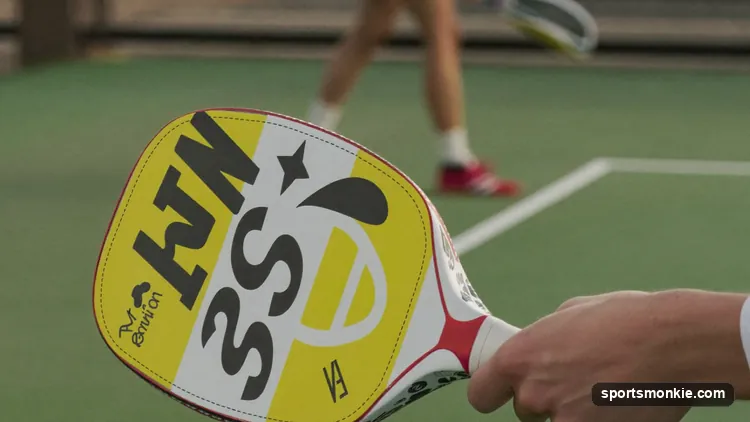
How to Hold a Pickleball Paddle: Grips and Grip Pressure
How to hold a pickleball paddle: the continental and eastern grips, the neutral ready grip, and how much grip pressure to use for control.
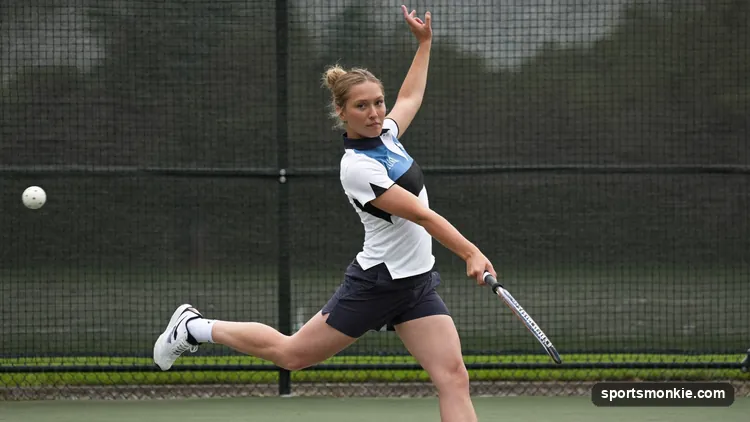
How to Serve in Pickleball: Technique for a Consistent Serve
A step-by-step pickleball serve technique: grip, ball drop or toss, contact point below the waist, and follow-through for a deep, reliable serve.