
Overtime Rules in the NFL: How OT Works (2026)
On this page5
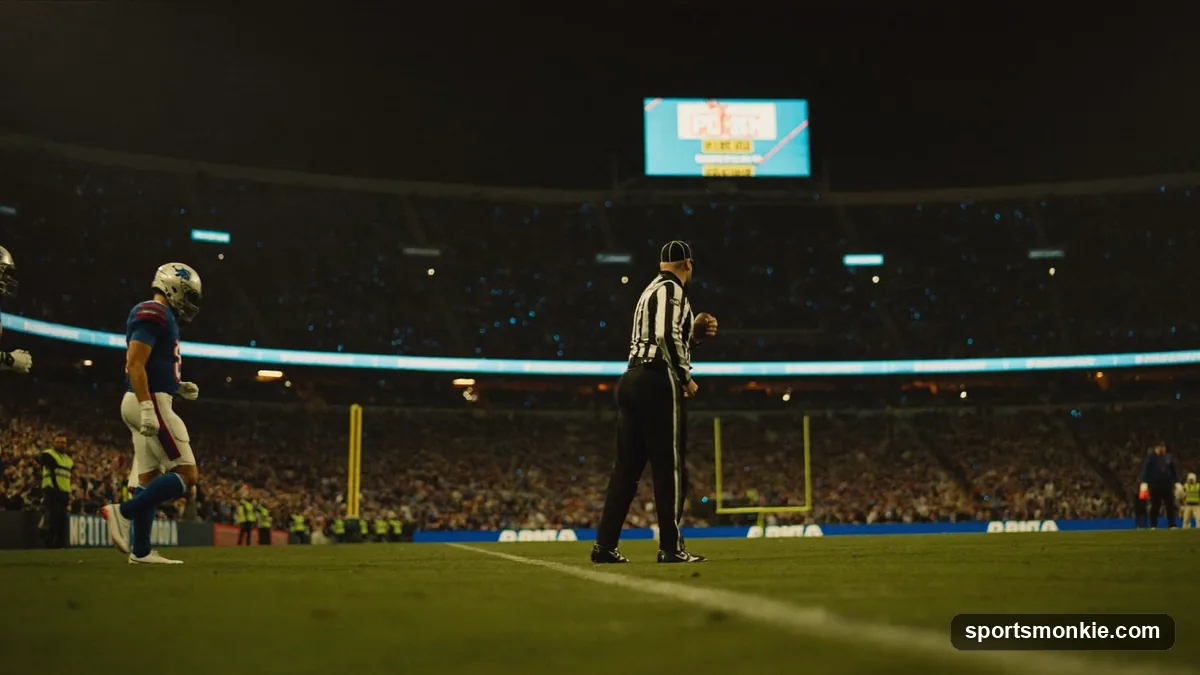
Overtime in the NFL is a single 10-minute period in the regular season and 15-minute periods in the playoffs, and since the 2024 rule change both teams are guaranteed at least one possession even if the first team scores a touchdown. A regular-season game can still end in a tie if it is level after overtime; a playoff game keeps playing extra periods until a winner is decided.
How NFL overtime works, step by step
Overtime starts like the game itself. There is a coin toss, the winner almost always chooses to receive, and the teams line up for a kickoff. From there the modern rules run in two phases:
- Guaranteed-possession phase. Each team gets at least one possession. If the first team scores a touchdown, the second team still gets the ball with a chance to match or win. If the first team kicks a field goal, the second team can win with a touchdown, tie with a field goal, or lose by failing to score.
- Sudden-death phase. Once both teams have had the ball, the next score of any kind — touchdown, field goal, or a defensive safety — ends the game immediately.
A first down still moves the chains the same way it does in regulation; overtime changes how the game ends, not how it is played down to down.
Regular season vs. playoff overtime
The two formats share the guaranteed-possession rule but differ in length and finality. For a deeper look at the postseason format, see our full guide to NFL playoff overtime rules.
| Rule | Regular season | Playoffs |
|---|---|---|
| Period length | One 10-minute period | 15-minute periods |
| Both teams get the ball | Yes (since 2024) | Yes (since 2022) |
| Number of periods | One only | As many as needed |
| Can end in a tie | Yes | No — plays until a winner |
| Timeouts | Two per team | Three per team, resets each period |
In the playoffs there is no clock pressure to force a tie, so the two-minute warning and end-of-period management matter far more than in a regular-season overtime that may simply run out.
The rule change that reshaped overtime
For years, regular-season overtime ran on modified sudden death: the team that received could win outright by scoring a touchdown on the opening drive. That is exactly what happened in the January 2022 Bills–Chiefs playoff game, when Kansas City won the toss, drove for a touchdown, and Buffalo’s offense never took the field. The backlash pushed the NFL to guarantee both teams a possession in the playoffs for the 2022 season, and owners extended the same rule to the regular season in 2024.
The change quietly lowered the value of winning the coin toss. When a first-possession touchdown no longer ends the game, deferring and playing defense first becomes a real strategic option, especially in the playoffs where the two-minute warning and possession count shape late-period decisions.
What still counts as sudden death
The phrase “sudden death” survives, but only for the second phase. Before both teams have had the ball, a single score by the first team may not end things. After that, any score wins — which is why a defense forcing a punt, a turnover, or even a safety can be as decisive as an offensive drive. Coaches manage timeouts and field position in overtime with that knife-edge in mind, since a single pass interference flag or a botched fair catch can hand the other team the winning position.
How NFL overtime compares to college
College football uses a completely different system: no clock, no kickoffs, each team starting at the opponent’s 25-yard line and trading possessions until one outscores the other, with two-point-conversion shootouts kicking in after the second overtime. The NFL’s timed, possession-guaranteed format is closer to regulation football, rewarding complete drives and defense rather than a red-zone duel. For more on the league itself, browse our NFL guides and explainers.
One overtime result can move several teams above or below the postseason line. The NFL Playoff Predictor lets you model the remaining games and see how those close outcomes affect the conference field.
Frequently asked questions
Do both teams get the ball in NFL overtime?+
Yes, as of the 2024 season both teams are guaranteed at least one possession in overtime, in the regular season and the playoffs. Before that, the regular-season rule ended the game if the first team scored a touchdown on its opening drive. Now, even a first-possession touchdown is answered: the other team gets a chance to match or win. After each side has had the ball, the game reverts to sudden death — the next score of any kind wins.
How long is overtime in the NFL?+
Regular-season overtime is a single 10-minute period. Playoff overtime is played in 15-minute periods, as many as it takes to decide a winner, with a two-minute intermission between periods and the teams changing ends. The regular-season period was shortened from 15 to 10 minutes in 2017 to reduce injury risk and short-week fatigue.
Can an NFL game end in a tie?+
Yes, but only in the regular season. If the score is still level after the 10-minute overtime period, the game is recorded as a tie. Ties are rare — usually one or two a season, sometimes none. In the playoffs a tie is impossible: teams keep playing additional 15-minute overtime periods until one side scores and leads at the end of a period, or wins outright under the possession rules.
What happens if the first team scores a field goal in overtime?+
The other team gets the ball with a chance to respond. If they score a touchdown they win; if they kick a field goal to tie, the game continues in sudden death and the next score wins; if they fail to score, they lose. A first-possession field goal no longer settles the game on its own — that guaranteed-possession rule is the core of the modern format.
How does the overtime coin toss work?+
A coin toss before overtime decides who chooses first. The winner almost always elects to receive the kickoff, though under the new rules the advantage of going first is smaller because the opponent is guaranteed a possession. The toss also sets which end of the field is defended. In the playoffs, because both teams are guaranteed the ball, some analysts argue deferring or choosing to play defense first can be a viable strategy.
Why did the NFL change its overtime rules?+
The biggest change came after the January 2022 AFC Divisional playoff between the Buffalo Bills and Kansas City Chiefs, where the Chiefs won the coin toss and scored a touchdown on the opening drive without Buffalo's offense ever touching the ball. The outcry over one team never getting a possession led the NFL to guarantee both teams the ball in playoff overtime for 2022, then extend the same rule to the regular season in 2024.
Is NFL overtime still sudden death?+
Partly. The first possession for each team is not sudden death — a single score by the first team does not automatically end it. But once both teams have had a possession, the game becomes true sudden death, where the next points of any kind (touchdown, field goal or a defensive safety) win it immediately.
Can a safety win a game in overtime?+
Yes. Once the game is in sudden-death mode, any score wins, including a two-point safety by the defense. A safety on the opening possession is treated as a score for possession purposes too. It is one of the rarest ways a game can end, but it is fully within the rules. See our explainer on what a safety is in football for how those two points are awarded.
Sources
Play & tools
Free browser games and tools — no account, no download.
- Play 17-0 — Draft nine and chase a flawless NFL regular season — the perfect 17-0 run, no playoffs.
- Play 20-0 — Draft nine and chase a perfect NFL season — regular season and playoffs, undefeated.
- Play 16-0 — Draft nine and chase a perfect 16-0 — the classic 16-game NFL regular season, no playoffs.
- Play Flawless Six — Draft five players and a head coach, then chase a perfect NFL season with the right chemistry.
- Play Guess the NFL Player — A new mystery NFL player every day. Eight guesses, with a clue on each — plus free unlimited mode.
- Play NFL Wordle — A Wordle for football — guess the daily NFL player in eight tries, with green-amber-grey feedback on every clue.
- Play NFL Connections — Sort sixteen football tiles into four hidden groups of four. A new daily puzzle, four mistakes allowed, plus unlimited mode.
- Explore all our games →
- Open the schedule simulator — Pick every 2026 NFL game and watch the standings and playoff seeds update live.
- Open the squares generator — Generate a randomized, printable Super Bowl squares grid for your party — free, no sign-up.
- Open the trade calculator — Weigh any fantasy football trade instantly — clear winner and value gap.
- Run the NFL predictor — Simulate the NFL bracket and see who your picks send to the Super Bowl.
- Open the passer rating calculator — Calculate the official NFL passer rating (0–158.3) from any passing line, with the formula shown.
- Explore all our free sports tools →
Related nfl guides
View all →
What Is a Challenge Flag in Football? NFL Replay Rules
A challenge flag is the red flag an NFL coach throws to request an instant-replay review. Teams get two challenges, a third if both succeed, and lose a timeout if wrong.
Overtime Rules in the NHL: How OT Works (2026)
NHL regular-season overtime is a 5-minute, 3-on-3 sudden-death period; if still tied it goes to a shootout. Playoff overtime is full 5-on-5 sudden death until a goal.
What Is a Safety in Football? The 2-Point Score
A safety in football is worth 2 points, awarded to the defense when the ball carrier is downed in his own end zone. The conceding team then free-kicks from its 20.
What Is an Eligible Receiver in Football?
An eligible receiver is a player allowed to catch a forward pass — the QB, backs, tight ends and the two players on the ends of the line. Interior linemen are ineligible.
What Is Pass Interference in Football? DPI & OPI
Pass interference is illegal contact that hinders a receiver's chance to catch a pass. In the NFL, defensive PI is a spot foul and automatic first down.
What Is the Two-Minute Warning in Football?
The two-minute warning is an automatic clock stoppage when two minutes remain in each half of an NFL game. It works like a free timeout for both teams.