
Types of Pitches in Baseball: The Complete Guide
On this page6
Baseball pitches fall into three families: fastballs (four-seam, two-seam/sinker, cutter), breaking balls (slider, curveball, slurve) and offspeed pitches (changeup, splitter) — plus the rare knuckleball. A fastball beats you with speed, a breaking ball with movement, and an offspeed pitch with deception. Most pitchers throw three or four of them to keep a hitter guessing.
The three families of pitches
| Family | How it works | Examples |
|---|---|---|
| Fastball | Thrown hard, relatively straight, backspin | Four-seam, two-seam, sinker, cutter |
| Breaking ball | Sidespin/topspin makes it curve or drop | Slider, curveball, slurve |
| Offspeed | Same arm speed, slower, disguised | Changeup, splitter |
Fastballs
The fastball is the foundation. A four-seam is gripped across the seams for maximum backspin — the straightest and fastest pitch, working best up in the zone. A two-seam or sinker is gripped along the seams for arm-side run and sink that induces ground balls. The cutter is a fastball with late glove-side movement — a hybrid between a fastball and a slider.
Breaking balls
Breaking balls trade velocity for sharp movement. The slider breaks laterally and slightly down, thrown harder than a curve. The curveball uses topspin for a big top-to-bottom drop. A slurve blends the two. Breaking balls are the classic strikeout weapons, especially when the hitter is expecting a fastball.
Offspeed pitches
Offspeed pitches disguise slower speed behind fastball arm action. The changeup comes out 8-12 mph slower than the fastball, wrecking timing. The splitter (split-finger) drops sharply as it reaches the plate. Both are thrown with fastball intent — the deception is everything.
The knuckleball
A knuckleball is the outlier: thrown with almost no spin so it flutters unpredictably, often under 75 mph. Very few pitchers use it, but it puts little strain on the arm and can baffle hitters, catchers and even the pitcher.
How pitchers build a repertoire
Most pitchers command three or four pitches — a fastball, a breaking ball and an offspeed — to change a hitter’s eye level, speed read and timing. Command matters more than count: a sharp two-pitch mix, thrown by many of the game’s strikeout leaders and hardest throwers, beats five mediocre offerings. Ready to learn the grips? Start with our how-to guides for the four-seam fastball, two-seam fastball, slider, curveball, changeup, sinker, cutter, splitter and knuckleball — and if you’re stuck telling two breaking balls apart, see slider vs curveball. For more, see our baseball guides.
Frequently asked questions
What are the main types of pitches in baseball?+
The main pitches are the four-seam fastball, two-seam fastball (sinker), cutter, slider, curveball, changeup, splitter and knuckleball. They divide into three families: fastballs (thrown hard, relatively straight), breaking balls (spin sideways or down, like the slider and curveball) and offspeed pitches (slower, disguised as fastballs, like the changeup and splitter). Most pitchers throw three or four different pitches.
What is the difference between a fastball and a breaking ball?+
A fastball is thrown with backspin at maximum velocity and travels relatively straight, sometimes with slight run or sink. A breaking ball is thrown with sidespin or topspin so it curves or drops sharply on the way to the plate, trading speed for movement. The hitter has to recognize the spin and adjust — the fastball beats you with speed, the breaking ball beats you with movement and deception.
What is an offspeed pitch?+
An offspeed pitch is a slower pitch — chiefly the changeup and splitter — thrown with the same arm speed and motion as a fastball but gripped to come out 8-12 mph slower. The disguise is the point: the hitter reads fastball, starts the swing early, and the ball arrives late, causing weak contact or a swing over the top. Offspeed pitches attack timing rather than speed or movement.
How many pitches should a pitcher throw?+
Most successful pitchers command three or four distinct pitches: a fastball, at least one breaking ball, and an offspeed pitch to give hitters different speeds and planes to track. Relievers often lean on just two elite pitches, while starters usually need a broader mix to face a lineup multiple times. Quality and command matter more than quantity — a sharp two-pitch mix beats five mediocre ones.
What is the hardest pitch to hit?+
It varies by pitcher, but a well-located high-velocity fastball paired with a sharp breaking ball is the classic combination, because the hitter must respect both extreme speed and late movement. Pitches with high spin rates and late break — a wipeout slider or a diving splitter — are among the toughest to square up. Ultimately the hardest pitch to hit is the one the batter isn't expecting.
What is a knuckleball?+
A knuckleball is thrown with almost no spin, gripped with the fingertips or knuckles, so the airflow over the seams makes it flutter and dart unpredictably. It is slow — often under 75 mph — but nearly impossible to predict, even for the pitcher and catcher. Very few pitchers throw it, but a good knuckleball can extend a career because it puts little strain on the arm.
What is a two-seam fastball versus a four-seam?+
A four-seam fastball is gripped across the seams for maximum backspin, giving the straightest, fastest, highest-riding pitch. A two-seam fastball (closely related to the sinker) is gripped along the seams, producing slightly less velocity but arm-side run and sink that induces ground balls. Four-seamers work up in the zone; two-seamers and sinkers work down. Learn the grip in our [how to throw a sinker](/how-to-throw-a-sinker-in-baseball/) guide.
Sources
Play & tools
Free browser games and tools — no account, no download.
- Play 162-0 — Draft nine and see if your roster can survive a flawless 162-game MLB season.
- Explore all our games →
- Analyze a trade — Compare both sides of a fantasy baseball trade before you accept.
- Run the MLB predictor — Simulate the MLB postseason bracket down to a World Series champion.
- Open the ERA calculator — Work out earned run average from earned runs and innings pitched — handles the .1/.2 thirds convention.
- Explore all our free sports tools →
Related baseball guides
View all →
What Is a Fastball in Baseball? Types, Grip, and Movement
A fastball is a pitcher’s high-velocity pitch family. Four-seam, two-seam, cutter, and sinker versions trade speed for movement.
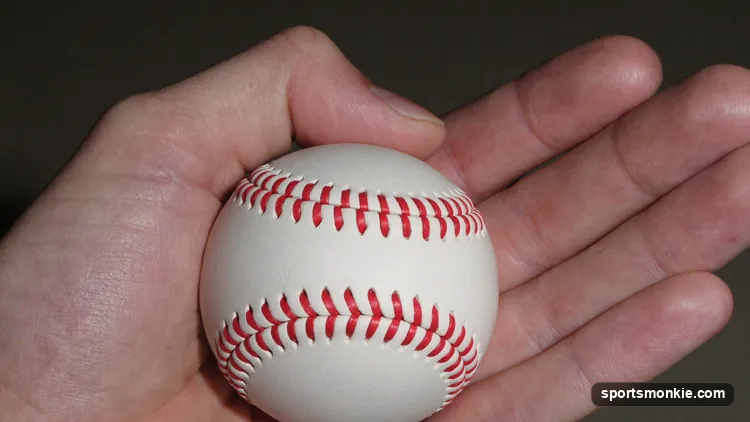
How to Throw a Changeup: Grip, Arm Speed & Deception
To throw a changeup, use a circle or three-finger grip deeper in the hand, then throw it with identical fastball arm speed so it arrives 8-12 mph slower and fools timing.
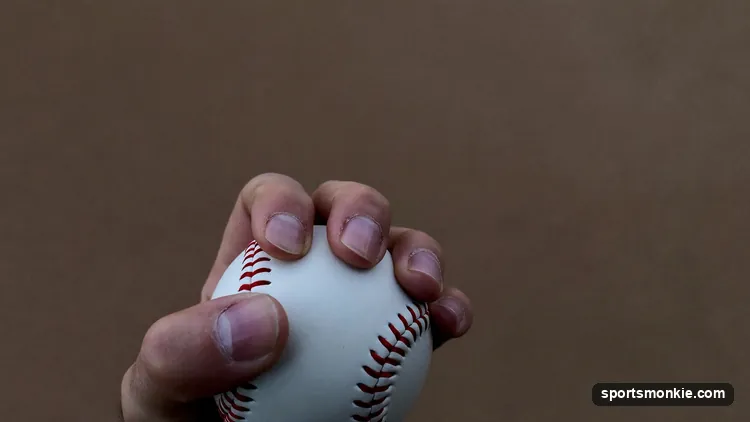
How to Throw a Curveball: Grip, Spin & Release
To throw a curveball, use a spike or standard grip with the middle finger on a seam, apply topspin by pulling down at release, and stay on top for a sharp downward break.
How to Throw a Slider: Grip, Spin & Release
To throw a slider, grip it slightly off-center like a two-seam, apply firm sidespin off the index finger, and stay on top with fastball arm speed for late lateral break.
What Is a Curveball in Baseball? Spin and Break
A curveball is a breaking pitch that uses topspin to move down and often across the plate as it reaches the hitter.
Baseball Umpire Signals Explained: Safe, Out, Strike, Fair, and More
Baseball umpire signals explained: safe, out, strike, ball, foul, fair, home run, infield fly, time, and count gestures with meanings.