
How to Throw a Two-Seam Fastball: Grip, Movement & Drills

On this page7
To throw a two-seam fastball, grip the ball with your index and middle fingers along the two narrow seams, thumb underneath, and throw it with full fastball effort — the seam orientation and slight finger-pressure differential do the work of creating arm-side run and late sink, not extra wrist action. It’s one of the simplest movement pitches to add to a repertoire because it uses the exact same arm path as a four-seamer.
The two-seam fastball grip
- Find the two seams on the ball where they sit closest together — the narrow “horseshoe” point.
- Rest your index and middle fingers directly on top of those seams, close enough that they nearly touch.
- Place your thumb underneath the ball, centered for balance, roughly opposite your fingers.
- Let your ring finger and pinky rest lightly against the side of the ball for control — don’t grip tightly.
- Add slightly more pressure with your index finger than your middle finger. This small pressure differential is what nudges the ball’s spin axis off pure backspin and creates the run.
- Hold the ball with a relaxed hand. A tense, choked grip restricts wrist snap and kills velocity.
Grip width matters: fingers spaced tighter together (closer to a four-seam feel) keep more velocity with a touch of run, while spreading them wider along the seams adds more sink at the cost of a mile or two of speed. Most pitchers experiment within that range to find what their hand and arm slot produce naturally.
What creates the run and sink
The seams are the whole story. Because your fingers sit along the seams instead of across them, the ball leaves your hand with a spin axis tilted slightly away from pure backspin. That tilt reduces the “ride” a four-seamer gets and instead produces horizontal movement toward your arm side, plus a touch of extra drop as the pitch loses backspin-driven lift late in flight. Arm slot changes the mix: higher, over-the-top arm angles tend to produce more downward sink, while lower three-quarters or sidearm slots produce more side-to-side run.
Crucially, none of this comes from twisting the wrist mid-delivery. You throw a two-seamer with the identical arm speed, elbow position, and release point as a four-seam fastball — only the grip changes. That’s why it’s considered an arm-friendly pitch to learn, unlike breaking balls that require added spin manipulation.
Two-seam vs. four-seam fastball
| Pitch | Grip | Primary movement | Best location | Typical use |
|---|---|---|---|---|
| Four-seam | Across the seams | Backspin, “ride”/lift | Up in the zone | Swings and misses |
| Two-seam | Along the seams | Arm-side run, slight sink | Down and to arm side | Ground balls, weak contact |
A four-seam fastball is the straightest, fastest pitch a pitcher throws — gripped across the seams for maximum backspin so it appears to “rise” through the zone. The two-seam trades a small amount of that velocity and straight-line ride for movement, making it a better pitch to locate down or in against same-side hitters.
Two-seam fastball vs. sinker
The two-seam fastball and the sinker are close cousins, and many broadcasts use the terms interchangeably. Both start from the same two-seam grip. The difference is intent and finger pressure: a true sinker is thrown with a bit more pronation and thumb-side pressure to maximize downward drop, while a standard two-seamer keeps more of its four-seam-like carry and leans on side-to-side run. Some pitchers only ever throw one version; others distinguish the two as separate pitches in their arsenal, adjusting grip pressure to call up more sink or more run as the count demands.
When pitchers use it
The two-seam fastball is a contact-management pitch, not a swing-and-miss weapon. Pitchers reach for it when they want a ground ball — with runners on base for a potential double play, against a hitter who struggles with inside pitches on the same-arm side, or simply to keep pitch counts down by getting quick outs instead of extending at-bats. It’s especially effective located at the knees, where the late run and sink turn hard contact into routine grounders rather than line drives. Pitchers who build their identity around ground-ball rates typically feature the two-seamer as a primary pitch rather than a change-of-pace option.
Drills to develop your two-seamer
- Grip-and-spin check: Hold the grip and flip the ball with your fingers (no throw) to confirm the seams orient the way you intend before adding arm speed.
- Short-toss with a partner: Throw two-seamers from 30-40 feet at moderate effort, watching the ball’s rotation and late break without worrying about velocity.
- Bullpen tracking: Chart where each two-seamer finishes relative to your target during bullpen sessions. Consistent arm-side miss patterns tell you whether to adjust finger pressure or seam alignment.
- Two-seam-to-target ladder: Aim specifically for the bottom of the zone or a low-and-away target to build the habit of locating the pitch where its movement plays up.
Where it fits in a repertoire
The two-seam fastball pairs naturally with a four-seamer and a breaking ball, giving a pitcher both a straight, elevated option and a running, sinking option from the same arm slot. See how it stacks up against the full menu in our guide to the types of pitches in baseball, and browse more pitching breakdowns in our baseball guides.
Frequently asked questions
How do you grip a two-seam fastball?+
Place your index and middle fingers on top of the ball along the two seams where they run closest together — the 'horseshoe' narrow point — with your thumb directly underneath for balance. Your fingers should straddle the seams rather than sit across them like a four-seam grip. A slightly wider finger spacing softens velocity a touch and adds movement; a tighter spacing keeps it closer to a true fastball.
What is the difference between a two-seam and four-seam fastball?+
A [four-seam fastball](/how-to-throw-a-four-seam-fastball/) is gripped across the seams for maximum backspin, producing the straightest, fastest, highest-riding pitch — best thrown up in the zone. A two-seam fastball is gripped along the seams, trading a mile or two of velocity for arm-side run and late sink, which makes it more effective down in the zone and against same-side contact.
Is a two-seam fastball the same as a sinker?+
They're closely related and often used interchangeably, but not identical. Both use a two-seam grip and produce arm-side run. A true [sinker](/how-to-throw-a-sinker-in-baseball/) is thrown with slightly more pronation and finger pressure toward the thumb side, generating more downward drop than a standard two-seamer, which tends to stay flatter with more side-to-side action.
Why do pitchers throw a two-seam fastball?+
The two-seam fastball's arm-side run and sink make it excellent for inducing ground balls and weak contact, especially against batters standing on the same side of the plate as the pitcher's throwing arm. It's also an efficient pitch-to-contact option that keeps pitch counts low by getting quick outs instead of chasing strikeouts.
Does a two-seam fastball hurt your arm?+
No — a two-seam fastball uses the same arm slot, arm speed, and elbow mechanics as a four-seam fastball. The movement comes from finger pressure and seam orientation at the grip, not from twisting the wrist or forearm, which is what makes breaking balls riskier for young arms. It's considered one of the safer pitches to add to a repertoire.
How much does a two-seam fastball move?+
Movement varies by pitcher, arm slot, and grip pressure, but a typical two-seamer runs several inches toward the pitcher's arm side compared to a four-seam fastball thrown by the same pitcher, with a bit of extra downward sink. Low three-quarters or sidearm pitchers tend to get more sideways run; over-the-top pitchers get more sink.
What speed should a two-seam fastball be thrown at?+
Aim for the same effort level as your four-seam fastball — typically only 1 to 2 mph slower. The grip does the work of creating movement, so trying to steer or slow the pitch down usually kills the natural run and sink instead of enhancing it.
How do you practice a two-seam fastball?+
Start with grip-and-spin drills close to a partner or wall to check the ball's rotation without worrying about velocity, then move to a mound and throw two-seamers at 75-90% effort to feel the release. Charting where the pitch actually finishes versus your target helps you dial in finger pressure and seam orientation over repeated bullpen sessions.
Sources
Play & tools
Free browser games and tools — no account, no download.
- Play 162-0 — Draft nine and see if your roster can survive a flawless 162-game MLB season.
- Explore all our games →
- Analyze a trade — Compare both sides of a fantasy baseball trade before you accept.
- Run the MLB predictor — Simulate the MLB postseason bracket down to a World Series champion.
- Open the ERA calculator — Work out earned run average from earned runs and innings pitched — handles the .1/.2 thirds convention.
- Explore all our free sports tools →
Related baseball guides
View all →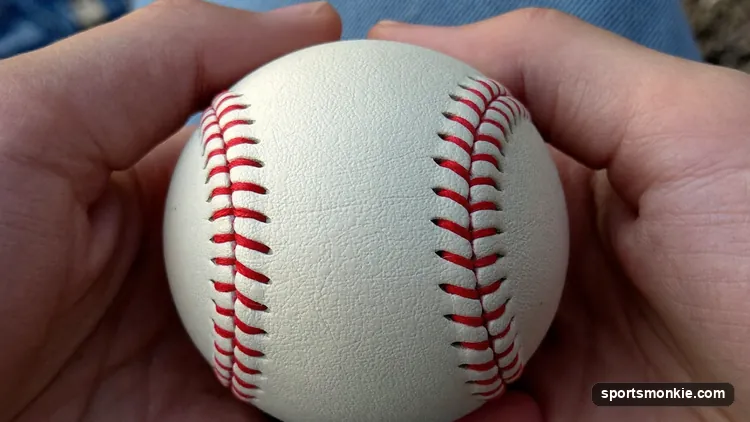
How to Throw a Sinker in Baseball: Grip & Movement
To throw a sinker, use a two-seam grip along the seams, apply slight pronation at release, and throw with fastball intent for arm-side run and downward sink that gets ground balls.
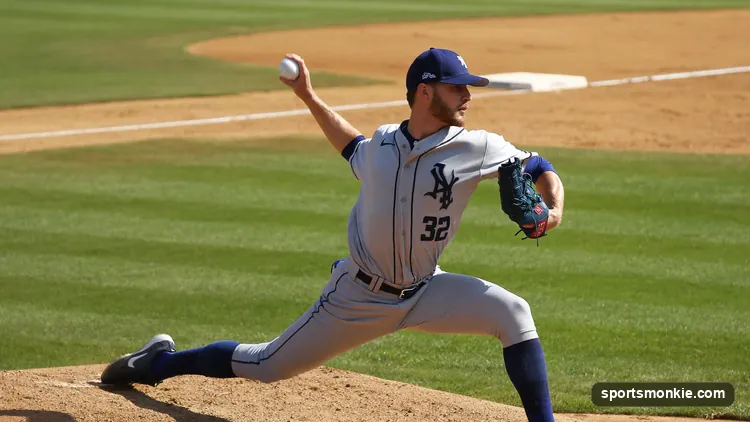
How to Throw a Four-Seam Fastball: Grip, Mechanics, and Drills
How to throw a four-seam fastball: the horseshoe-seam grip, backspin mechanics, and drills for the fastest, straightest pitch in baseball.
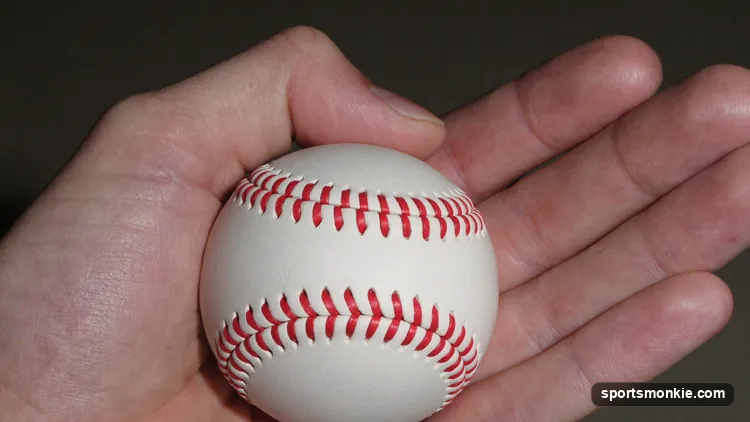
How to Throw a Changeup: Grip, Arm Speed & Deception
To throw a changeup, use a circle or three-finger grip deeper in the hand, then throw it with identical fastball arm speed so it arrives 8-12 mph slower and fools timing.
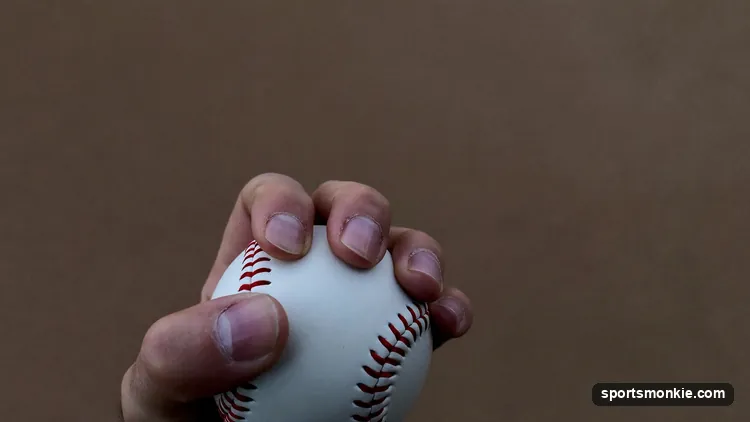
How to Throw a Curveball: Grip, Spin & Release
To throw a curveball, use a spike or standard grip with the middle finger on a seam, apply topspin by pulling down at release, and stay on top for a sharp downward break.
How to Throw a Cutter in Baseball: Grip & Release
To throw a cutter, use a four-seam grip shifted slightly off-center toward your fingers, apply a hint of pressure with the middle finger, and throw hard for late glove-side cut.
How to Throw a Slider: Grip, Spin & Release
To throw a slider, grip it slightly off-center like a two-seam, apply firm sidespin off the index finger, and stay on top with fastball arm speed for late lateral break.