
How to Throw a Splitter: Grip, Mechanics and Elbow-Safety Tips
On this page7
- 01What Is a Splitter (Split-Finger Fastball)?
- 02How to Grip a Splitter (Step-by-Step)
- 03How to Throw a Splitter: Arm Action and Release
- 04Splitter vs. Forkball vs. Changeup: What’s the Difference?
- 05Is the Splitter Hard on the Elbow?
- 06Famous MLB Pitchers Known for Their Splitter
- 07Drills to Learn the Splitter
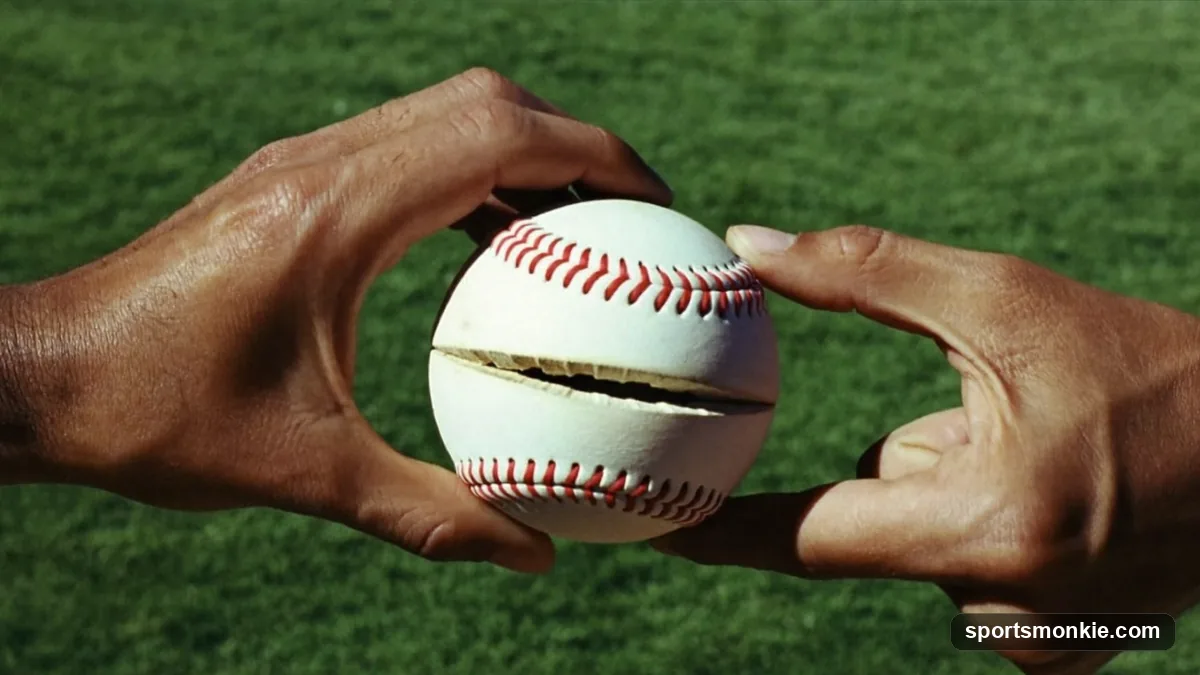
You throw a splitter by spreading your index and middle fingers wide on the outside of the ball’s seams, thumb underneath, then delivering it with the exact same arm speed and arm slot as your fastball — the wide grip alone kills most of the backspin, so the pitch looks like a fastball out of the hand and dives late instead of staying flat. It’s one of the trickiest entries among the types of pitches in baseball to learn cleanly, because almost all of its deception comes from the grip, not from extra arm or wrist manipulation.
What Is a Splitter (Split-Finger Fastball)?
The splitter, short for split-finger fastball, is an off-speed pitch built on top of a fastball delivery. Instead of throwing anything different with the arm, the pitcher changes only the grip: spreading the index and middle fingers apart on either side of the ball rather than keeping them together on top, as you would on a two- or four-seam fastball. That split reduces the fingers’ ability to impart backspin at release. Less backspin means less of the Magnus-effect lift that keeps a normal fastball riding flat, so gravity wins in the final few feet and the pitch tumbles down and out of the zone — often 6 to 10 mph slower than the pitcher’s regular fastball, which is enough of a speed gap to fool a hitter’s timing without tipping the pitch visually.
How to Grip a Splitter (Step-by-Step)
- Start from a fastball grip. Set your hand on the ball as if you were about to throw a two-seam fastball, fingers together across the top.
- Split the index and middle fingers wide. Slide them apart onto the outside of the seams, roughly 1.5-2 inches apart, so the ball sits deep in the “V” between them.
- Rest the ball low, not choked in the fingertips. The ball should sit closer to the base of your fingers and palm than a fastball does — pitchers with larger hands can choke it even deeper for more downward action.
- Brace with your thumb underneath. Place the thumb on the smooth leather beneath the ball, applying light, even pressure against the two split fingers.
- Hold it loose, not squeezed. Grip pressure should feel like holding an egg — tight enough for control, loose enough to let the fingers slide off cleanly at release.
- Keep your wrist firmer than on a fastball. You’re not snapping the wrist for extra spin here; a stiffer wrist through release helps suppress backspin further.
- Release it out front, same arm slot as your fastball. Let the ball roll off the middle of your fingers rather than pulling down hard with the wrist — the drop comes from the grip and reduced spin, not from yanking the arm.
How to Throw a Splitter: Arm Action and Release
The single biggest coaching point on the splitter is that the arm action must be identical to the fastball — same arm speed, same arm slot, same follow-through. Any visible slowing tips the pitch to a hitter before it even leaves the hand, which defeats the purpose. The deception lives entirely in the grip and the resulting drop in spin rate, typically well under 1,000 RPM versus 2,200+ RPM on a four-seam fastball, not in anything the arm does differently. Aim for the middle of the zone or a touch above; a well-thrown splitter falls out of the zone as it arrives, so aiming low often just buries it in the dirt early.
Splitter vs. Forkball vs. Changeup: What’s the Difference?
All three pitches exist to look like a fastball and arrive slower, but they get there differently.
| Pitch | Grip | Arm action | Typical speed drop | Movement |
|---|---|---|---|---|
| Splitter | Fingers split wide, shallow in the hand | Identical to fastball, firm wrist | 6-10 mph slower than fastball | Sharp, late downward drop |
| Forkball | Fingers wedged deeper, “forked” around ball | Often a slight wrist flip added | Larger drop, slower overall | Heavy tumble, less control |
| Changeup | Choked deep in palm (circle or 3-finger grip), fingers together | Same arm speed, normal wrist snap | 8-12 mph slower than fastball | Gentle fade/sink, less sharp than splitter |
If you’re building out a full changeup alongside the splitter, the key distinction to drill into muscle memory is where the deception comes from: the changeup hides in the grip’s depth and finger pressure, the splitter hides in the finger spread, and the forkball adds wrist action on top of an even deeper grip. Some pitchers, and even some knuckleball specialists working on a knuckleball as a second weapon, use the splitter as a lower-risk complement since it still relies on a normal arm path rather than a dead-wrist delivery.
Is the Splitter Hard on the Elbow?
This is the pitch’s biggest caution flag. The wide finger spread and the torque generated at release put additional stress through the forearm and elbow compared to a standard fastball grip. MLB’s Pitch Smart program, developed with orthopedic surgeon Dr. James Andrews and the American Sports Medicine Institute, generally advises against teaching the splitter to younger, still-developing pitchers. Research on youth arms has found overall workload — pitch counts, innings per season, and pitching through fatigue — correlates more strongly with elbow and shoulder injury than any single pitch type. Still, because the splitter’s mechanics ask more of the ulnar collateral ligament (UCL) at release, most coaches wait until a pitcher’s fastball command is established and their arm is more mature, typically the mid-to-late teens, and keep early rep counts low.
Famous MLB Pitchers Known for Their Splitter
Bruce Sutter is credited with popularizing the modern splitter after learning it from pitching coach Fred Martin in the 1970s, using it to build a Hall of Fame career as a closer. Roger Craig later spread the pitch through baseball in the 1980s, when it was nicknamed “the pitch of the ’80s.” Roger Clemens, Curt Schilling, Hideo Nomo and John Smoltz all carried devastating splitters through the 1990s and 2000s. The pitch has surged again in recent years, especially among Japanese-trained pitchers such as Masahiro Tanaka, Shohei Ohtani and Roki Sasaki, alongside MLB names like Kevin Gausman, who built an entire arsenal around a plus splitter. Watching clips of these pitchers is one of the fastest ways to see the grip-to-release relationship the coaching cues above are describing.
Drills to Learn the Splitter
- Wall drill at half speed. Stand a few feet from a wall or net and throw splitters at 50-60% effort, focusing purely on grip feel and a firm wrist — velocity comes later.
- Fastball-splitter pairing. Throw a fastball, then immediately throw a splitter from the identical setup, checking that your arm speed and delivery look the same on both.
- Flat-ground long toss with the grip only. Play catch using the splitter grip at short distance to build finger strength and consistent release feel without game-speed stress on the elbow.
- Spin-rate or slow-motion video check. If you have access to a pitching lab, TrackMan, or even a slow-motion phone camera, confirm your spin rate is dropping compared to your fastball — that’s the real sign the grip is working, more than how the pitch looks by eye.
- Low total rep counts early on. Cap splitter reps in any single bullpen session (start around 10-15) while the arm adapts, and pair this pitch work with the same overall pitch-count discipline used across the rest of a baseball pitching program.
Mastering the splitter is less about arm talent and more about trusting the grip to do the work. Pitchers who try to “help” the drop with extra wrist snap usually end up throwing a slower, flatter forkball instead — and the pitchers who keep their arm action boringly identical to their fastball are the ones who make hitters look silly.
Frequently asked questions
How do you throw a splitter?+
Spread your index and middle fingers wide on the outside of the ball's seams, resting the ball low in your palm with your thumb underneath for support, then throw it with the exact same arm speed, arm slot and follow-through as your fastball. Keep your wrist firm through release instead of snapping it, and let the wide grip -- not extra wrist action -- kill the backspin so the ball loses lift and drops late.
What is a split-finger fastball?+
A split-finger fastball, or splitter, is an off-speed pitch thrown from a fastball-style grip with the index and middle fingers split apart on either side of the ball instead of together on top. The wider spread reduces backspin, so the pitch tumbles and dives out of the zone in the last few feet, usually 6-10 mph slower than a pitcher's four-seam fastball.
What is the difference between a splitter and a forkball?+
A forkball is jammed deeper between the fingers, almost wedged in the hand, and is often thrown with a slight wrist snap for extra tumble, which makes it noticeably slower and harder to control. A splitter sits shallower in the fingers, is thrown with a stiffer wrist and fastball-identical arm speed, and keeps more velocity, which is why it tunnels off a fastball better.
What is the difference between a splitter and a changeup?+
A changeup gets its velocity drop mainly from a grip that's choked deep in the palm (circle change, three-finger change) with a normal, pronated wrist snap, and it fades or sinks gently. A splitter gets its drop from the split-finger grip itself, is thrown with full fastball arm speed and a firmer wrist, and breaks later and more sharply straight down rather than fading sideways.
Is throwing a splitter bad for your elbow?+
It can add stress, which is why many coaches and organizations like MLB's Pitch Smart program discourage teaching it to younger, still-developing arms. Research from the American Sports Medicine Institute has found pitch count, innings, and pitching while fatigued are stronger predictors of elbow injury than pitch type alone, but the splitter's wide finger spread and torque on release still make caution and low-rep drilling the smart approach, especially for pitchers under 16.
Which MLB pitchers are known for their splitter?+
Hall of Famer Bruce Sutter popularized the modern splitter as a closer in the 1970s-80s after learning it from coach Fred Martin. Roger Clemens, Curt Schilling, Hideo Nomo and John Smoltz all featured it in the 1990s and 2000s, and it has resurged with pitchers like Kevin Gausman, Masahiro Tanaka, Shohei Ohtani and Roki Sasaki, particularly among Japanese-trained arms.
At what age should a pitcher learn a splitter?+
Most pitching coaches recommend waiting until a player's growth plates are further along and their fastball command is solid first, typically not before the mid-to-late teens. Pitch Smart guidelines focus more on pitch counts and rest days than banning specific pitches, but the splitter's added elbow torque means it's rarely a good first breaking or off-speed pitch for a 10-13 year old.
Why does a splitter drop so late?+
Because the wide, split grip strips most of the backspin off the ball before it even leaves the hand, unlike a four-seam fastball, which relies on high backspin to fight gravity and stay flat. With little spin (often under 1,000 RPM) the splitter loses the Magnus-effect lift a normal fastball gets, so gravity takes over hard in the final few feet, right as the pitch looks like it's still coming in at fastball speed.
Sources
Play & tools
Free browser games and tools — no account, no download.
- Play 162-0 — Draft nine and see if your roster can survive a flawless 162-game MLB season.
- Explore all our games →
- Analyze a trade — Compare both sides of a fantasy baseball trade before you accept.
- Run the MLB predictor — Simulate the MLB postseason bracket down to a World Series champion.
- Open the ERA calculator — Work out earned run average from earned runs and innings pitched — handles the .1/.2 thirds convention.
- Explore all our free sports tools →
Related baseball guides
View all →
How to Throw a Four-Seam Fastball: Grip, Mechanics, and Drills
How to throw a four-seam fastball: the horseshoe-seam grip, backspin mechanics, and drills for the fastest, straightest pitch in baseball.
How to Throw a Knuckleball: Grip, Release, and Drills
Learn how to throw a knuckleball step by step: the fingertip grip, the dead-wrist release that kills spin, and drills used by real MLB knuckleballers.
How to Throw a Two-Seam Fastball: Grip, Movement & Drills
To throw a two-seam fastball, place your index and middle fingers along the narrow seams, thumb underneath, and add slight pressure with the index finger to create arm-side run and sink.
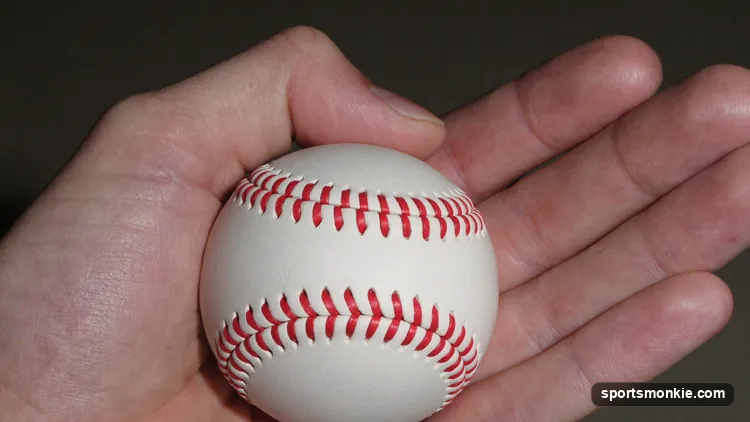
How to Throw a Changeup: Grip, Arm Speed & Deception
To throw a changeup, use a circle or three-finger grip deeper in the hand, then throw it with identical fastball arm speed so it arrives 8-12 mph slower and fools timing.
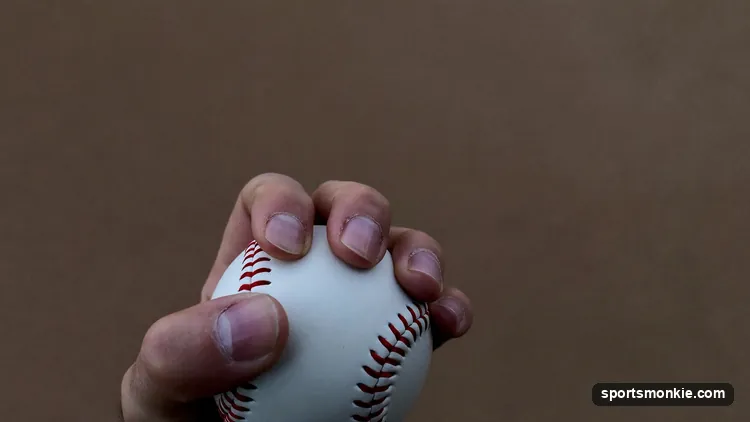
How to Throw a Curveball: Grip, Spin & Release
To throw a curveball, use a spike or standard grip with the middle finger on a seam, apply topspin by pulling down at release, and stay on top for a sharp downward break.
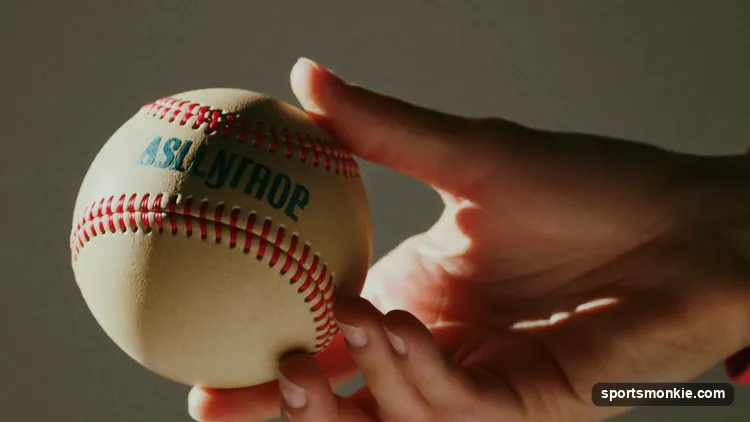
How to Throw a Cutter in Baseball: Grip & Release
To throw a cutter, use a four-seam grip shifted slightly off-center toward your fingers, apply a hint of pressure with the middle finger, and throw hard for late glove-side cut.