
How to Throw a Slider: Grip, Spin & Release
On this page6
A slider is a breaking ball that darts late and glove-side, thrown harder than a curveball. The recipe: grip it slightly off-center, throw with fastball arm speed, and impart firm sidespin off your middle finger — let the grip create the break rather than snapping your wrist. Done right, it looks like a fastball until it cuts sharply just before the plate.
The slider grip
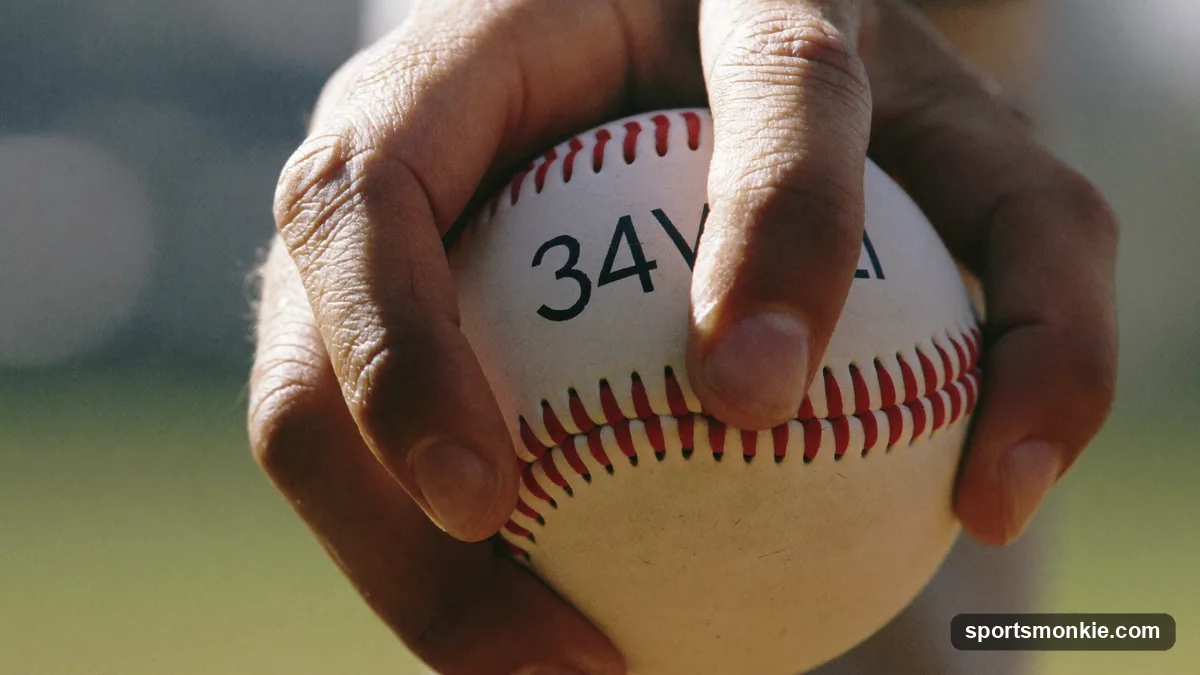
Place your middle finger along the outer edge of a seam, your index finger beside it with light pressure, and your thumb underneath. Think of a two-seam fastball shifted toward the outside third of the ball. The middle finger does the work — it’s the last point of contact and the source of the spin.
The release
Throw it like your fastball: same arm speed, same slot, releasing out front. Rather than twisting your wrist, apply middle-finger pressure and let your hand come slightly to the side of the ball — the common cue is “throw a tight spiral” or “clip the outer third.” The firm sidespin, not a violent snap, creates the late dart and keeps stress off the elbow.
Slider vs. curveball
| Pitch | Speed | Spin | Break |
|---|---|---|---|
| Slider | Faster (6-10 mph off FB) | Sidespin | Late, sharp, lateral |
| Curveball | Slower | Topspin | Big top-to-bottom loop |
The slider deceives with late dart; the curve with depth. Many pitchers throw both.
Common mistakes
If your slider won’t break, you’re likely gripping too centered, releasing early, or slowing your arm. Shift the grip off-center, keep fastball arm speed, and finish out front. A flat, telegraphed “dot” usually means you’re wrapping the ball instead of cutting through it.
Safety and when to learn it
A slider thrown with grip-generated spin and clean mechanics isn’t especially dangerous, but a violent wrist snap strains the elbow. Most coaches say learn it in the mid-teens, after mastering the fastball and changeup. Add it under instruction, not by self-teaching a snap.
Where it fits in a repertoire
The slider is one of the great strikeout pitches — see how it sits among all the types of pitches in baseball alongside the curveball, cutter and sinker. For more, see our baseball guides.
Frequently asked questions
How do you grip a slider?+
Grip the ball slightly off-center: place your middle finger along the outer edge of a seam, your index finger next to it (little or no pressure), and your thumb tucked underneath. It resembles a two-seam fastball shifted toward the outside of the ball. The middle finger is what imparts the spin as the ball leaves your hand. Many pitchers experiment with slightly different placements until the break becomes sharp and repeatable.
What is the release for a slider?+
Throw it with the same arm speed as your fastball and stay 'on top' of the ball, releasing out front. Instead of a violent wrist twist, think of applying pressure with the middle finger and letting your hand come slightly to the side of the ball — some coaches cue 'throw a football spiral' or 'clip the outer third.' The firm sidespin, not a snap, creates the late glove-side break. Letting the grip do the work protects the elbow.
What is the difference between a slider and a curveball?+
A slider is thrown harder — usually only 6-10 mph slower than the fastball — with tighter sidespin, so it breaks later and more laterally with a shorter, sharper move. A [curveball](/how-to-throw-a-curveball/) is slower, uses topspin, and has a bigger top-to-bottom loop. The slider deceives with late dart; the curve deceives with depth. Many pitchers throw both to give hitters two different breaking shapes and speeds.
Is a slider bad for your arm?+
A properly thrown slider — using grip-generated spin and fastball mechanics — is not inherently more dangerous than other pitches, but a violent wrist snap or supination puts extra stress on the elbow. Young pitchers are usually advised to master the fastball and changeup first and add a slider later with coaching. Keeping the arm action the same as your fastball and not overthrowing reduces the risk.
At what age should you learn a slider?+
Most youth coaches recommend waiting until the mid-teens (around 14-16) before adding a slider, after a pitcher has solid fastball command and a changeup, because the twisting stress can strain developing elbows. Building arm strength and clean mechanics first makes the slider both safer and more effective. Always add breaking balls under qualified instruction rather than self-teaching a wrist snap.
Why does my slider not break?+
The most common causes are gripping too centered (like a fastball), releasing too early or 'around' the ball, or slowing your arm down. Shift the grip off-center toward a seam, keep fastball arm speed, and finish out front while letting the middle finger cut across. Film yourself or work with a coach: a flat, spinning-dot slider usually means the release is wrapping the ball rather than cutting through it.
How fast is a slider?+
In the majors, sliders typically sit in the low-to-mid 80s mph — roughly 6-10 mph slower than a four-seam fastball — though hard throwers can reach the high 80s or low 90s. The point isn't raw speed but the late, tight break combined with fastball-like velocity, which gives the hitter very little time to distinguish it from a fastball before it darts away.
Sources
Play & tools
Free browser games and tools — no account, no download.
- Play 162-0 — Draft nine and see if your roster can survive a flawless 162-game MLB season.
- Explore all our games →
- Analyze a trade — Compare both sides of a fantasy baseball trade before you accept.
- Run the MLB predictor — Simulate the MLB postseason bracket down to a World Series champion.
- Open the ERA calculator — Work out earned run average from earned runs and innings pitched — handles the .1/.2 thirds convention.
- Explore all our free sports tools →
Related baseball guides
View all →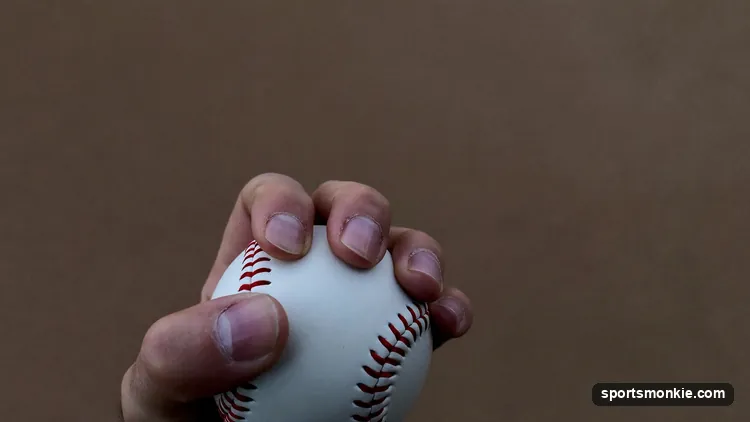
How to Throw a Curveball: Grip, Spin & Release
To throw a curveball, use a spike or standard grip with the middle finger on a seam, apply topspin by pulling down at release, and stay on top for a sharp downward break.
How to Throw a Cutter in Baseball: Grip & Release
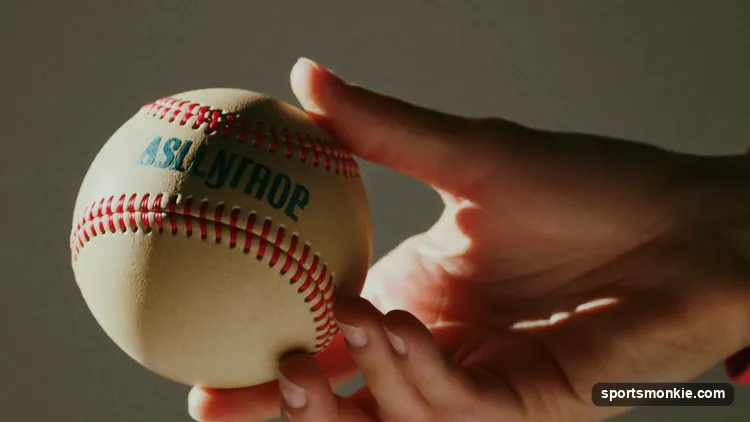
To throw a cutter, use a four-seam grip shifted slightly off-center toward your fingers, apply a hint of pressure with the middle finger, and throw hard for late glove-side cut.

How to Throw a Two-Seam Fastball: Grip, Movement & Drills
To throw a two-seam fastball, place your index and middle fingers along the narrow seams, thumb underneath, and add slight pressure with the index finger to create arm-side run and sink.
How to Throw a Changeup: Grip, Arm Speed & Deception
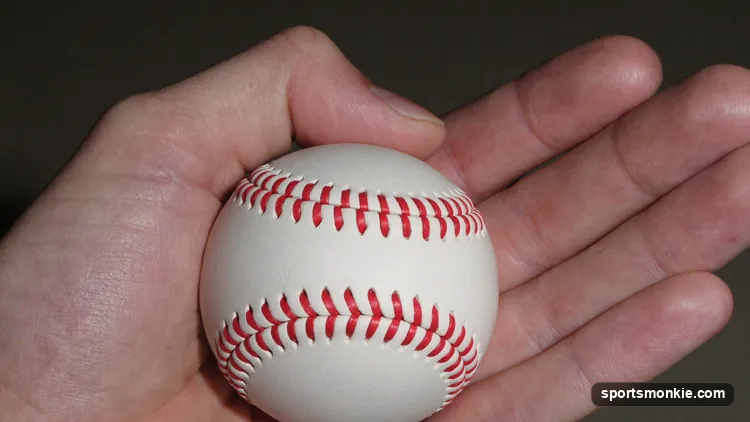
To throw a changeup, use a circle or three-finger grip deeper in the hand, then throw it with identical fastball arm speed so it arrives 8-12 mph slower and fools timing.
How to Throw a Sinker in Baseball: Grip & Movement
To throw a sinker, use a two-seam grip along the seams, apply slight pronation at release, and throw with fastball intent for arm-side run and downward sink that gets ground balls.
How to Throw a Knuckleball: Grip, Release, and Drills
Learn how to throw a knuckleball step by step: the fingertip grip, the dead-wrist release that kills spin, and drills used by real MLB knuckleballers.