
How to Throw a Changeup: Grip, Arm Speed & Deception
On this page6
A changeup is an offspeed pitch that looks exactly like a fastball but arrives 8-12 mph slower, wrecking the hitter’s timing. The secret isn’t your wrist — it’s the grip and the arm speed. Hold the ball deeper in your hand, then throw it with the identical arm speed as your fastball. The deep grip removes velocity; the matching arm action sells the disguise.
The changeup grip
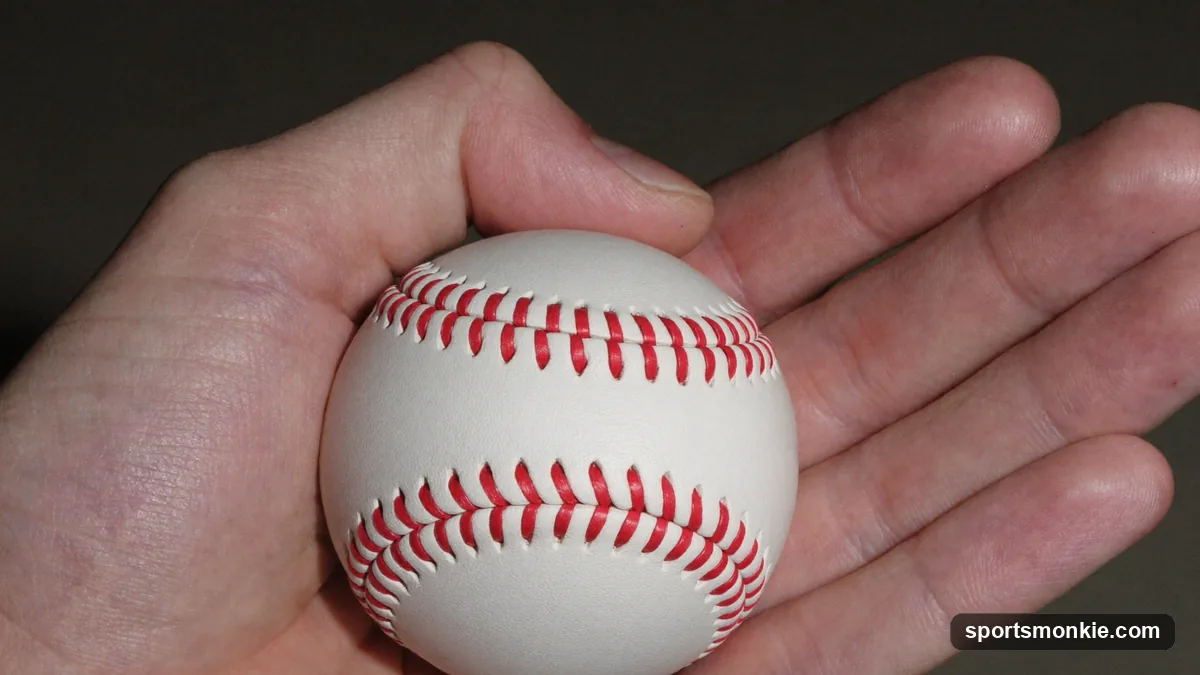
Two grips dominate. The circle change forms an “OK” sign with thumb and index finger on the side of the ball, other three fingers across the top. The three-finger change centers three fingers on top with thumb and pinky beneath. Both push the ball deeper into the hand, taking speed off naturally.
Why it works
The changeup deceives through speed, disguised as sameness. Thrown with fastball arm speed and body language, it fools the hitter into swinging early — then arrives late and slow, producing weak contact. The bigger and more repeatable the velocity gap, the better.
The one key: arm speed
The single most important rule: never slow your arm. Throw the changeup with the same effort, slot and arm speed as your fastball, and let the grip alone remove the velocity. Slowing your arm to take speed off is the classic tell that lets hitters read it.
Changeup vs. the breaking balls
Unlike the slider and curveball, which beat you with spin and movement, the changeup beats you with timing. That’s why coaches call it the safest, most valuable second pitch — it adds little arm stress and teaches command.
Common mistakes
A changeup that’s too hard or flat is usually gripped too shallow; push it deeper into the palm. One that’s slow and telegraphed means the arm slowed down — keep it fast and let only the grip decelerate the ball.
Where it fits in a repertoire
The changeup is the ideal first offspeed pitch — see how it fits among the types of pitches in baseball alongside the sinker and cutter. For more, see our baseball guides.
Frequently asked questions
How do you grip a changeup?+
The two most common grips are the circle change and the three-finger change. For the circle change, form an 'OK' sign with your thumb and index finger on the side of the ball, with the other three fingers across the top. For the three-finger change, center three fingers on top with the thumb and pinky underneath. Both push the ball deeper into the hand, which takes speed off naturally. Choose whichever feels comfortable and repeatable.
Why does a changeup work?+
It works through deception, not movement or speed. Thrown with identical fastball arm speed and body language, it fools the hitter into starting the swing early for a fastball — then the ball arrives 8-12 mph slower, so they're out in front and make weak contact or miss. The bigger and more consistent the velocity gap while keeping the same arm action, the more effective the pitch.
How much slower is a changeup than a fastball?+
A good changeup is typically 8-12 mph slower than the pitcher's fastball. That's the sweet spot: enough of a speed drop to disrupt timing, but not so slow that the hitter can recognize and adjust. If it's only a few mph off, hitters catch up; if it's too slow, they read it early. The deeper grip usually produces that gap automatically without changing arm speed.
What is the key to a good changeup?+
Identical arm speed. The single most important thing is throwing the changeup with the exact same effort, arm speed and slot as your fastball, so the two are indistinguishable out of the hand. Let the grip take the speed off — never slow your arm to reduce velocity, because that tips the pitch. Many coaches say the changeup is the safest and most valuable second pitch for young arms for exactly this reason.
Is a changeup good for young pitchers?+
Yes — the changeup is widely considered the best offspeed pitch for young pitchers to learn early, because it puts little extra stress on the arm (no wrist twist) and teaches command and arm-speed discipline. Coaches often recommend mastering the fastball and changeup first, before adding breaking balls like the [slider](/how-to-throw-a-slider/) or [curveball](/how-to-throw-a-curveball/) in the teens.
What is a circle changeup?+
A circle changeup is the most popular changeup grip: you make a circle or 'OK' sign with the thumb and index finger against the side of the ball, resting the middle, ring and pinky fingers across the top. As you throw with fastball arm speed, the grip naturally pronates the hand slightly, taking off velocity and adding arm-side fade and sink. It's favored because it's easy to disguise and gentle on the arm.
Why is my changeup flat or too hard?+
If your changeup is too fast or flat, you're likely gripping it too shallow (toward the fingertips) or subconsciously choking the grip while keeping fastball velocity. Push the ball deeper into your palm and trust the grip to remove speed while you maintain full fastball arm speed. If it's slow and telegraphed, the fix is the opposite: keep the arm fast and let only the grip slow the ball.
Sources
Play & tools
Free browser games and tools — no account, no download.
- Play 162-0 — Draft nine and see if your roster can survive a flawless 162-game MLB season.
- Explore all our games →
- Analyze a trade — Compare both sides of a fantasy baseball trade before you accept.
- Run the MLB predictor — Simulate the MLB postseason bracket down to a World Series champion.
- Open the ERA calculator — Work out earned run average from earned runs and innings pitched — handles the .1/.2 thirds convention.
- Explore all our free sports tools →
Related baseball guides
View all →
How to Throw a Two-Seam Fastball: Grip, Movement & Drills
To throw a two-seam fastball, place your index and middle fingers along the narrow seams, thumb underneath, and add slight pressure with the index finger to create arm-side run and sink.
How to Throw a Curveball: Grip, Spin & Release
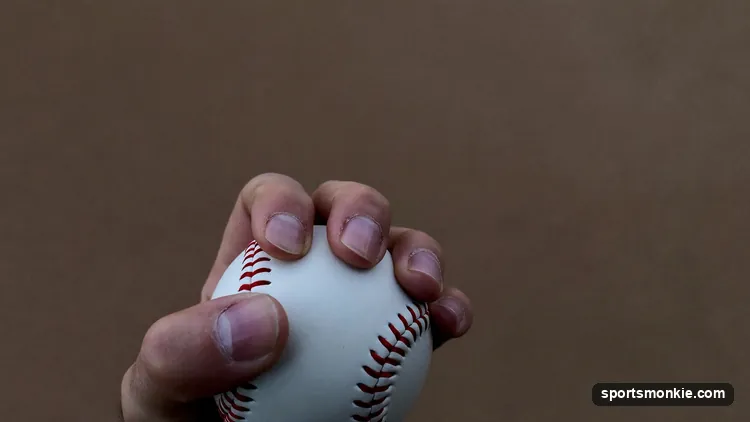
To throw a curveball, use a spike or standard grip with the middle finger on a seam, apply topspin by pulling down at release, and stay on top for a sharp downward break.
How to Throw a Cutter in Baseball: Grip & Release
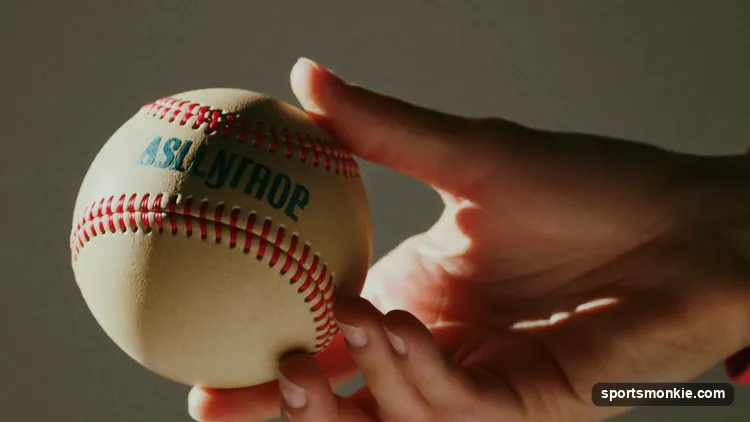
To throw a cutter, use a four-seam grip shifted slightly off-center toward your fingers, apply a hint of pressure with the middle finger, and throw hard for late glove-side cut.
How to Throw a Slider: Grip, Spin & Release
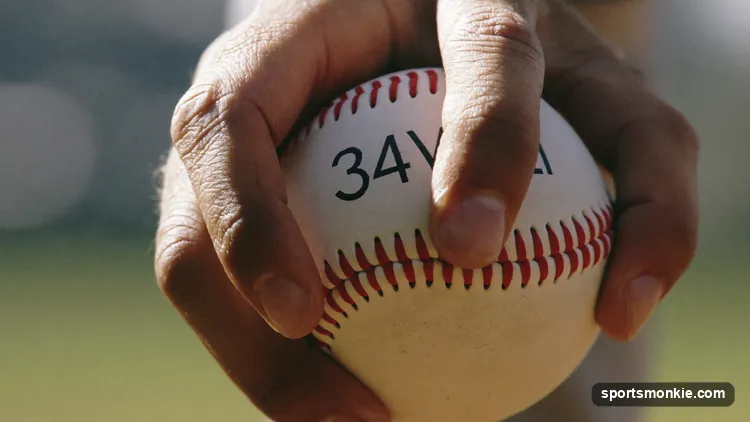
To throw a slider, grip it slightly off-center like a two-seam, apply firm sidespin off the index finger, and stay on top with fastball arm speed for late lateral break.
How to Throw a Sinker in Baseball: Grip & Movement
To throw a sinker, use a two-seam grip along the seams, apply slight pronation at release, and throw with fastball intent for arm-side run and downward sink that gets ground balls.
How to Throw a Four-Seam Fastball: Grip, Mechanics, and Drills
How to throw a four-seam fastball: the horseshoe-seam grip, backspin mechanics, and drills for the fastest, straightest pitch in baseball.