
How to Break In a Baseball Glove: The Right Way
On this page6
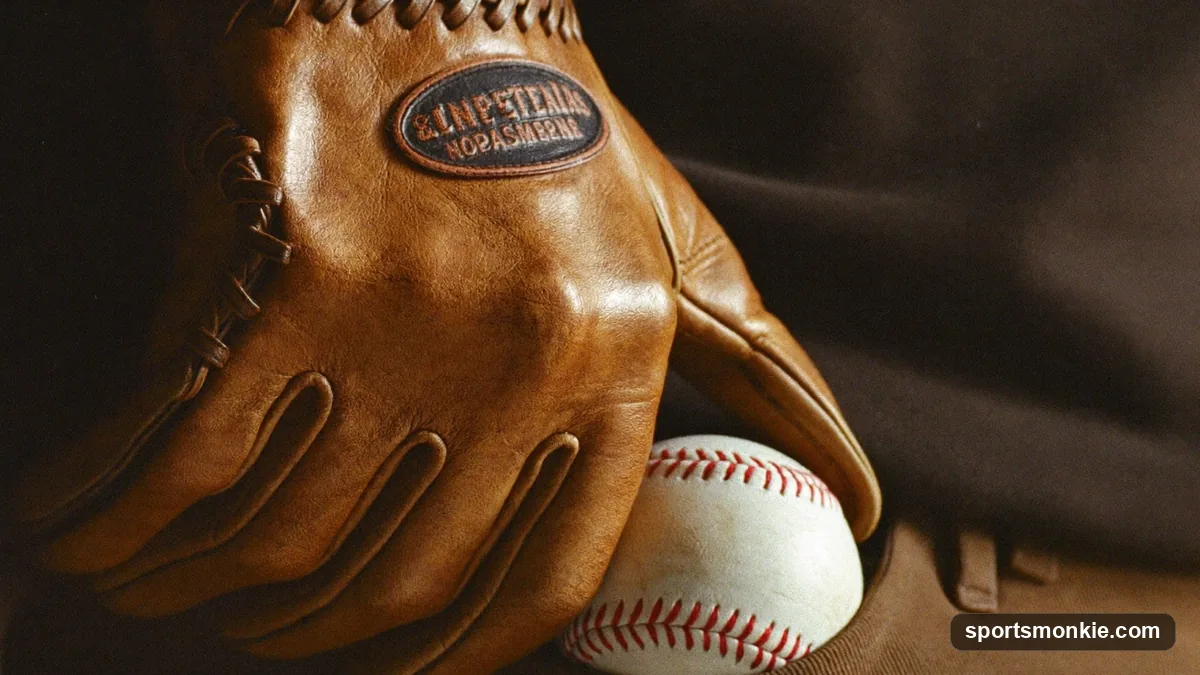
The best way to break in a baseball glove is the slow, natural way: play catch daily, work the leather by hand, apply a thin coat of conditioner, and shape the pocket with a ball wrapped inside overnight. It takes one to three weeks — and it’s worth doing right, because the shortcuts that promise instant results (soaking, microwaving, oven-baking) break down the leather and shorten the glove’s life.
The core method: play catch
Nothing beats playing catch. Every throw you receive shapes the pocket to your hand and closing motion, and flexes the leather naturally. Make this the foundation and use the steps below to speed it along — not replace it.
Condition the leather (lightly)
Apply a small amount of glove conditioner or light leather cream with a cloth, work it in, and wipe off the excess. Do this a few times a season. Avoid heavy oils and petroleum jelly — too much over-softens the leather, adds weight, and actually shortens glove life.
Shape the pocket
Place a ball where you want the pocket, close the glove around it, and wrap it tightly with bands or glove wrap overnight. Repeat over several days, combining with hand-squeezing and folding. The goal is a defined pocket that closes naturally around the ball.
What NOT to do
| Shortcut | Why to avoid it |
|---|---|
| Soaking in water | Waterlogs and weakens leather |
| Microwaving | Dries, cracks, ruins lacing |
| Oven-baking | Over-dries leather, voids warranty |
These “instant” methods trade years of glove life for a few days saved.
Infield vs. outfield gloves
The method is the same, but shape the pocket to the position: a shallow pocket near the finger base for an infield glove’s quick transfers, a deeper cradle for an outfield glove tracking fly balls.
Caring for it long-term
Store it with a ball in the pocket, in a cool dry place, wiped clean and never wet. A thin conditioner coat a few times a season keeps it supple. With care, a quality glove lasts many seasons — see which models are worth it in our best baseball gloves guide, and once it’s game-ready, brush up on the types of pitches in baseball you’ll be fielding. For more, see our baseball guides.
Frequently asked questions
What is the best way to break in a baseball glove?+
Play catch with it regularly — that's the single best method, because it shapes the pocket exactly to your hand and closing motion. Supplement it by working the leather with your hands, applying a thin coat of glove conditioner, and shaping the pocket with a ball wrapped inside overnight. This slow, natural approach keeps the leather strong and gives the longest glove life. Rushing with heat or water weakens the leather.
Should you use oil or conditioner on a glove?+
Use a small amount of glove-specific conditioner or a light leather cream, applied thinly with a cloth and worked in, then wiped off any excess. Avoid heavy oils, petroleum jelly, or large quantities of anything — too much oil over-softens the leather, adds weight, and clogs the pores, actually shortening the glove's life. A little conditioner a few times a season keeps the leather supple without drowning it.
How long does it take to break in a glove?+
With regular catch and hand-shaping, a new glove usually breaks in within one to three weeks. Higher-end gloves made from stiffer, premium leather take longer but last far longer once broken in; cheaper gloves soften quickly but wear out sooner. There's no true instant method that doesn't damage the leather, so plan ahead and start the process before you actually need the glove for games.
Can you break in a glove with heat?+
It's risky and generally not recommended. Microwaving or oven-baking a glove can soften it fast, but the high heat dries out and weakens the leather, cracks the lacing, and dramatically shortens the glove's life — and it can void the warranty. Some players use a brief, careful warm-water-and-play-catch method, but the safest route is still time, catch and conditioner. Never soak or bake a quality glove.
How do you shape the pocket of a glove?+
Place a baseball (or two) in the pocket where you want it, close the glove around it, and wrap it tightly with rubber bands, a belt, or glove wrap. Leave it overnight or longer, repeating over several days. Combine this with squeezing and folding the glove by hand and playing catch. The goal is a defined pocket that closes naturally around the ball — shape it to match how your hand closes the glove.
How do you take care of a glove after breaking it in?+
Keep a ball in the pocket when it's stored, and store it in a cool, dry place out of direct sun and away from car trunks. Wipe off dirt and moisture after use, apply a thin coat of conditioner a few times a season, and never leave it wet. Re-lace it if the laces fray. With this care, a well-made, properly broken-in glove can last many seasons — see our [best baseball gloves](/best-baseball-gloves/) guide for models worth maintaining.
Should you break in an infield or outfield glove differently?+
The principle is the same, but the pocket shape differs. Infield gloves are smaller and broken in with a shallow pocket for quick transfers, so shape the ball toward the base of the fingers. Outfield gloves are larger with a deeper pocket for tracking fly balls, so form a deeper cradle. Position players also close their gloves differently, so shaping it to your natural closing motion matters more than any single technique.
Sources
Play & tools
Free browser games and tools — no account, no download.
- Play 162-0 — Draft nine and see if your roster can survive a flawless 162-game MLB season.
- Explore all our games →
- Analyze a trade — Compare both sides of a fantasy baseball trade before you accept.
- Run the MLB predictor — Simulate the MLB postseason bracket down to a World Series champion.
- Open the ERA calculator — Work out earned run average from earned runs and innings pitched — handles the .1/.2 thirds convention.
- Explore all our free sports tools →
Related baseball guides
View all →
Best Baseball Gloves 2026: 11 Top-Rated Picks by Position
The best baseball gloves for 2026, ranked by position: Wilson A2000 1786, Rawlings Heart of the Hide PRO205, Wilson A2K, Mizuno Pro Select, Nokona Alpha and more.
What Is a Curveball in Baseball? Spin and Break
A curveball is a breaking pitch that uses topspin to move down and often across the plate as it reaches the hitter.
How to Throw a Cutter in Baseball: Grip & Release
To throw a cutter, use a four-seam grip shifted slightly off-center toward your fingers, apply a hint of pressure with the middle finger, and throw hard for late glove-side cut.
How to Throw a Sinker in Baseball: Grip & Movement
To throw a sinker, use a two-seam grip along the seams, apply slight pronation at release, and throw with fastball intent for arm-side run and downward sink that gets ground balls.
How to Break In a Lacrosse Pocket the Right Way
Break in a lacrosse pocket with wall ball, targeted stretching and small string adjustments — and stay inside the NCAA pocket-depth rule while you do it.

Murphy Calls His Brewers Gamers, Not Hall of Famers, After Sweeping the Dodgers
Pat Murphy summed up Milwaukee's NLCS sweep in one line about gamers and Hall of Famers. The payroll gap and two sweep records back him up.