
How to Throw a Sinker in Baseball: Grip & Movement
On this page6
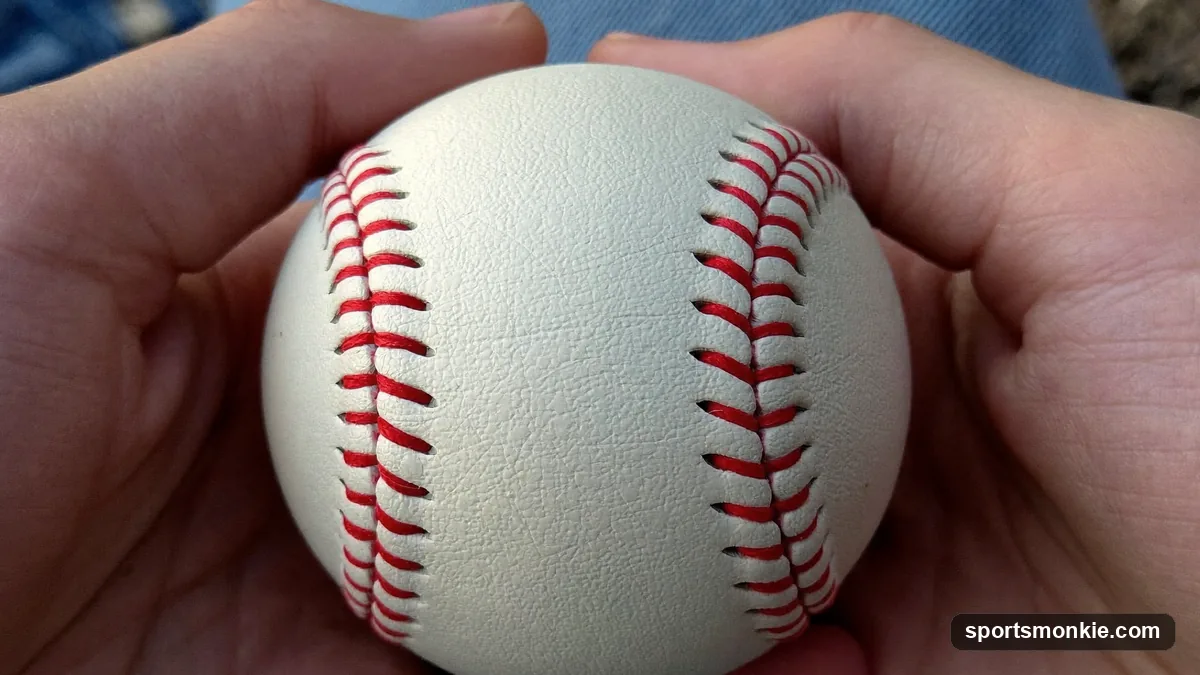
A sinker is a fastball that runs arm-side and drops late to produce ground balls. The recipe: grip it like a two-seam fastball (fingers along the seams), throw it with full fastball intent, and let a slight inward pronation at release create the sink and run. Unlike a four-seam that rides up, the sinker is a down-in-the-zone weapon for weak contact and double plays.
The sinker grip
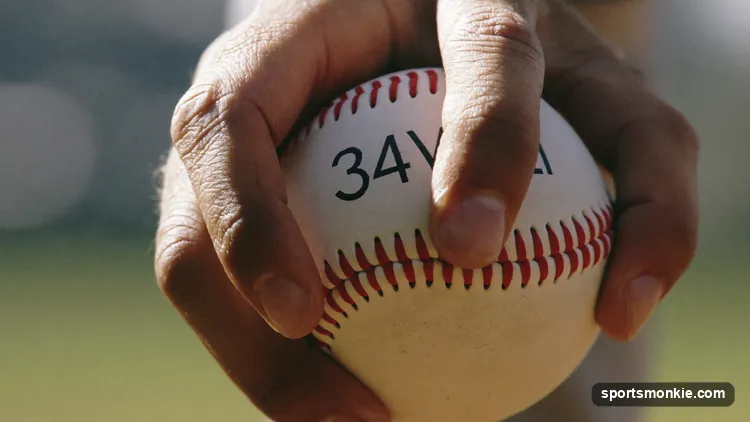
Use a two-seam grip: index and middle fingers on top, along the two seams where they run closest together (the narrow part), thumb underneath. Some pitchers add index-finger pressure. The sinker and two-seam fastball are essentially the same pitch under different names.
What makes it sink
The movement comes from the spin axis. A two-seam grip with slight pronation tilts the rotation away from pure backspin, so the ball gets less ride and more drop, plus arm-side run. Thrown hard and down in the zone, that late, heavy movement jams hitters.
Sinker vs. four-seam
| Pitch | Grip | Location | Result |
|---|---|---|---|
| Four-seam | Across seams | Up in zone | Ride, swings-and-misses |
| Sinker (two-seam) | Along seams | Down in zone | Run + sink, ground balls |
Sinker vs. cutter
The sinker runs arm-side; the cutter cuts glove-side with a slider-like grip. They move in opposite directions, so pitchers often pair them to work both edges of the plate.
Where to throw it
Down and often to your arm side. The sinker’s late drop turns hard contact into grounders, so it thrives at the knees — not up in the zone, where it flattens. It’s an out-getter, not a strikeout pitch.
Where it fits in a repertoire
The sinker is one of the most arm-friendly pitches to add — see how it sits among the types of pitches in baseball with the cutter, slider and changeup. For more, see our baseball guides.
Frequently asked questions
How do you grip a sinker?+
Use a two-seam grip: place your index and middle fingers on top of the ball along the two seams where they run closest together (the narrow part), with the thumb underneath. Some pitchers apply slightly more pressure with the index finger. This grip, combined with the ball's rotation, produces the arm-side run and sink. The sinker and two-seam fastball are closely related — often the same pitch described differently.
What makes a sinker sink?+
The sink comes from the ball's spin axis: a two-seam grip with slight pronation produces sidespin-tilted rotation rather than pure backspin, so the ball gets less 'ride' and drops more than a four-seam as gravity and airflow act on it. Arm-side run comes from the same tilted axis. Throwing it down in the zone with fastball velocity maximizes the late, heavy movement that jams hitters.
What is the difference between a sinker and a four-seam fastball?+
A four-seam fastball is gripped across the seams for maximum backspin — the straightest, fastest, highest-riding pitch, best up in the zone. A sinker (two-seam) is gripped along the seams and thrown down in the zone, trading a touch of velocity for arm-side run and sink that generates ground balls. Four-seamers get swings-and-misses up; sinkers get weak contact down.
How is a sinker different from a cutter?+
A sinker runs and sinks toward the pitcher's arm side (for a righty, in on a righty hitter) and is thrown with a two-seam grip. A [cutter](/how-to-throw-a-cutter-in-baseball/) moves the opposite way — glove-side — with a grip closer to a slider, giving late gloveward cut. Both are fastball-speed pitches used to induce weak contact, but they move in opposite directions, so many pitchers pair them to attack both sides of the plate.
Where should you throw a sinker?+
Down in the zone, and often to your arm side. The sinker's value is its late downward and arm-side movement, which turns hard-hit balls into grounders — so it's most effective at the knees and on the inner or outer thirds, not up in the zone where it flattens out. Pitchers use it to get quick outs and double plays rather than strikeouts.
Is a sinker easy to learn?+
Relatively, yes — it uses fastball mechanics and a simple two-seam grip, with no wrist twist, so it's gentler on the arm than breaking balls and can be learned earlier. The challenge is consistency: the amount of run and sink depends on your natural arm slot and spin, so some pitchers get heavy movement and others little. Experiment with finger pressure and grip width to find your best sink.
How fast is a sinker?+
A sinker is typically 1-3 mph slower than a pitcher's four-seam fastball, sitting in the low-to-mid 90s for many major leaguers. The small velocity trade-off buys movement: the pitch is meant to arrive at near-fastball speed but with late sink and run, so hitters can't lift it. Velocity matters less than the heaviness and consistency of the movement down in the zone.
Sources
Play & tools
Free browser games and tools — no account, no download.
- Play 162-0 — Draft nine and see if your roster can survive a flawless 162-game MLB season.
- Explore all our games →
- Analyze a trade — Compare both sides of a fantasy baseball trade before you accept.
- Run the MLB predictor — Simulate the MLB postseason bracket down to a World Series champion.
- Open the ERA calculator — Work out earned run average from earned runs and innings pitched — handles the .1/.2 thirds convention.
- Explore all our free sports tools →
Related baseball guides
View all →
How to Throw a Two-Seam Fastball: Grip, Movement & Drills
To throw a two-seam fastball, place your index and middle fingers along the narrow seams, thumb underneath, and add slight pressure with the index finger to create arm-side run and sink.
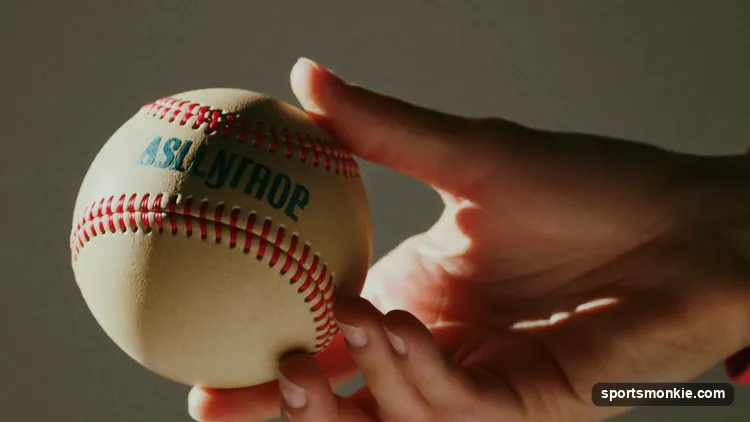
How to Throw a Cutter in Baseball: Grip & Release
To throw a cutter, use a four-seam grip shifted slightly off-center toward your fingers, apply a hint of pressure with the middle finger, and throw hard for late glove-side cut.
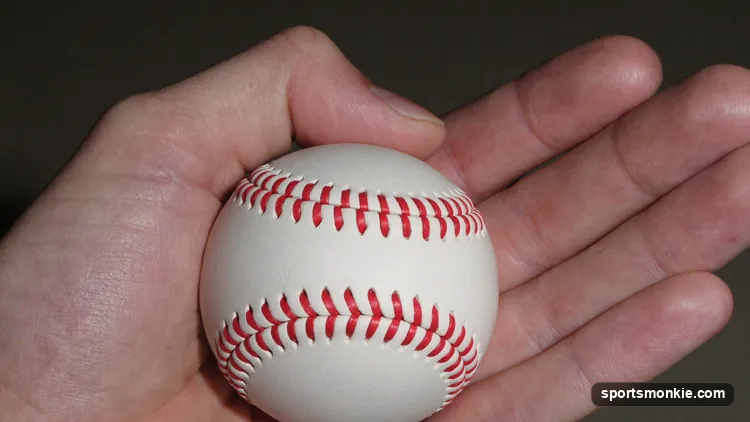
How to Throw a Changeup: Grip, Arm Speed & Deception
To throw a changeup, use a circle or three-finger grip deeper in the hand, then throw it with identical fastball arm speed so it arrives 8-12 mph slower and fools timing.
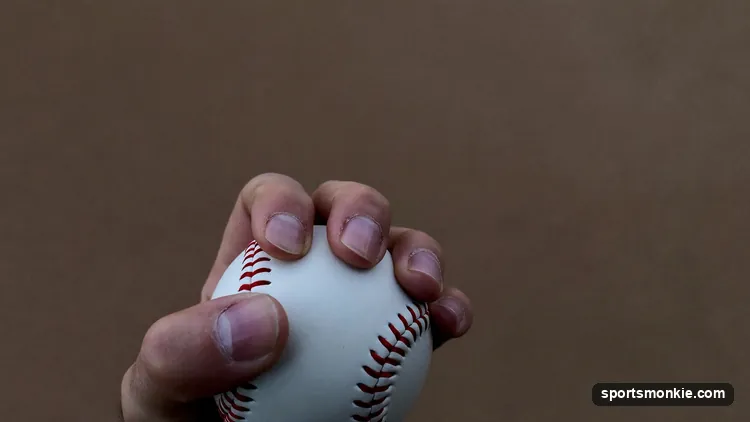
How to Throw a Curveball: Grip, Spin & Release
To throw a curveball, use a spike or standard grip with the middle finger on a seam, apply topspin by pulling down at release, and stay on top for a sharp downward break.
How to Throw a Slider: Grip, Spin & Release
To throw a slider, grip it slightly off-center like a two-seam, apply firm sidespin off the index finger, and stay on top with fastball arm speed for late lateral break.
What Is a Fastball in Baseball? Types, Grip, and Movement
A fastball is a pitcher’s high-velocity pitch family. Four-seam, two-seam, cutter, and sinker versions trade speed for movement.