
How to Throw a Cutter in Baseball: Grip & Release
On this page6
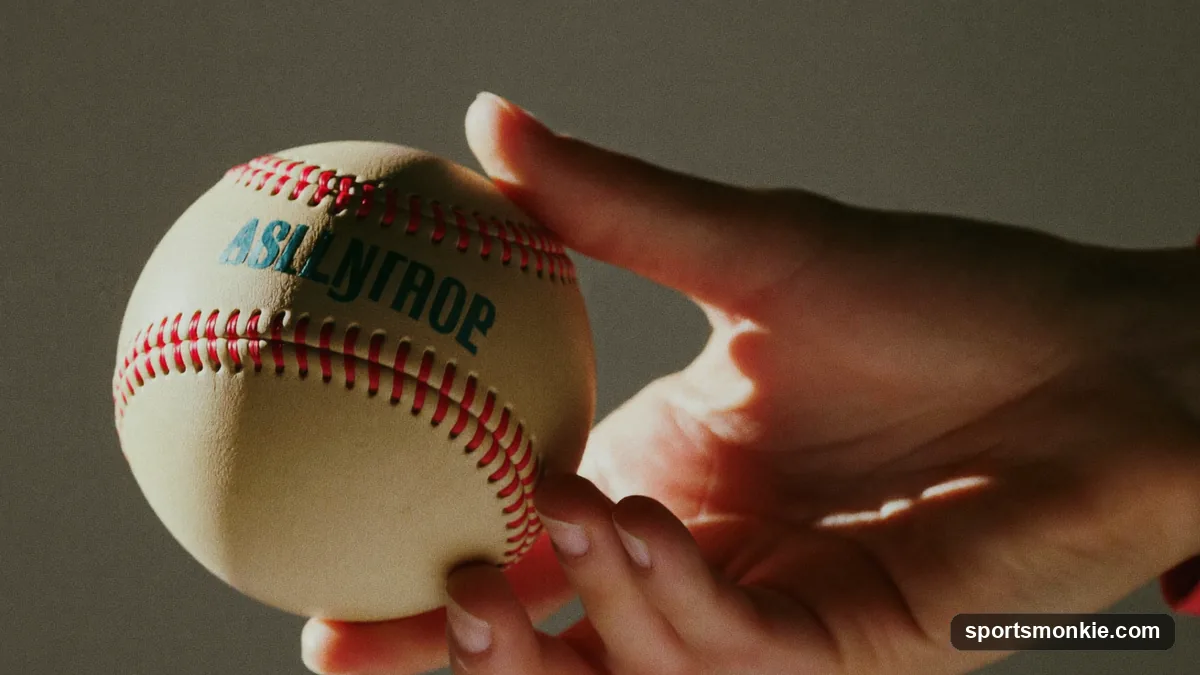
A cutter (cut fastball) is a fastball with late, tight glove-side movement — a hybrid between a fastball and a slider. The recipe: take a four-seam grip, shift it slightly off-center toward your fingertips, add subtle middle-finger pressure, and throw it with full fastball arm speed. The small offset creates just enough sidespin to cut the ball a few inches glove-side right before the plate — jamming hitters and breaking bats.
The cutter grip
Start from a four-seam grip, then slide your fingers slightly together and off-center toward the outer edge of the ball, with a touch more pressure on the middle finger. The grip stays much closer to a fastball than a slider — that small offset is the whole secret.
What makes it cut
The off-center grip and finger pressure tilt the mostly-backspin axis just enough for a few inches of late glove-side movement. Because the spin stays fastball-like, the cut is smaller and later than a slider’s — and that lateness is what misses the barrel.
Cutter vs. slider vs. sinker
| Pitch | Speed off FB | Grip | Movement |
|---|---|---|---|
| Cutter | 2-5 mph | Near four-seam | Small, late, glove-side |
| Slider | 6-10 mph | Off-center | Bigger, sharper, lateral |
| Sinker | 1-3 mph | Two-seam | Arm-side run + sink |
Common mistakes
A straight cutter means your grip is too centered or you’re not applying middle-finger pressure — shift off-center and add subtle pressure. If it breaks big and slows down, you’ve drifted into slider territory; ease back toward the fastball.
Why pitchers love it
The cutter is a premier contact-management pitch — near-fastball velocity with late movement that breaks bats. Paired with a sinker running the other way, it lets a pitcher work both edges.
Where it fits in a repertoire
The cutter bridges fastballs and breaking balls — see how it sits among the types of pitches in baseball with the slider, curveball and changeup. For more, see our baseball guides.
Frequently asked questions
How do you grip a cutter?+
Start from a standard four-seam fastball grip, then slide your index and middle fingers slightly together and off-center toward the outer edge of the ball, so the ball rests a bit toward the thumb-side of your fingertips. Apply a touch more pressure with the middle finger. The grip is much closer to a fastball than a slider — the small offset is what produces the late cut without a wrist twist.
What makes a cutter cut?+
The slight off-center grip and extra middle-finger pressure impart a small amount of sidespin on top of mostly-backspin, tilting the spin axis just enough to move the ball a few inches to the glove side late in flight. Because the spin is mostly fastball-like, the movement is smaller and later than a slider's — but that late, subtle cut is exactly what misses the barrel and breaks bats.
What is the difference between a cutter and a slider?+
A cutter is thrown harder — usually only 2-5 mph off the fastball — with a fastball-like grip and small, late glove-side movement. A [slider](/how-to-throw-a-slider/) is slower, gripped more off-center, and breaks bigger and more sharply with clear sidespin. Think of the cutter as a fastball with a wrinkle and the slider as a true breaking ball. Some pitchers throw both; the cutter attacks contact, the slider attacks the swing.
How is a cutter different from a sinker?+
They move in opposite directions. A cutter breaks glove-side (for a righty, away from a righty hitter, in on a lefty), while a [sinker](/how-to-throw-a-sinker-in-baseball/) runs arm-side and drops. Both are fastball-velocity pitches used to induce weak contact rather than strikeouts, so many pitchers pair a cutter and sinker to jam and run the ball off both edges of the plate.
Is a cutter easy on the arm?+
Generally yes, because it uses fastball mechanics and arm speed with no wrist snap — the movement comes from the grip, not a twist. That makes it one of the safer secondary pitches. The main caution is that some pitchers find a heavy cutter can slightly reduce their four-seam velocity or 'bleed' into their fastball, so command and separation take practice.
Why won't my cutter move?+
If your cutter stays straight, your grip is probably too centered (like a pure four-seam) or you're releasing without any middle-finger pressure. Shift the ball slightly off-center toward your fingertips and apply subtle pressure with the middle finger at release, keeping full fastball arm speed. If it breaks too much and slows down, you've drifted into slider territory — ease the grip back toward the fastball.
How fast is a cutter?+
A cutter is typically only 2-5 mph slower than a pitcher's four-seam fastball, often sitting in the low 90s for major leaguers. That near-fastball velocity is the point: the hitter reads fastball and swings, then the ball cuts a few inches late and off the barrel. The small speed drop and late movement make it one of the best contact-management pitches in baseball.
Sources
Play & tools
Free browser games and tools — no account, no download.
- Play 162-0 — Draft nine and see if your roster can survive a flawless 162-game MLB season.
- Explore all our games →
- Analyze a trade — Compare both sides of a fantasy baseball trade before you accept.
- Run the MLB predictor — Simulate the MLB postseason bracket down to a World Series champion.
- Open the ERA calculator — Work out earned run average from earned runs and innings pitched — handles the .1/.2 thirds convention.
- Explore all our free sports tools →
Related baseball guides
View all →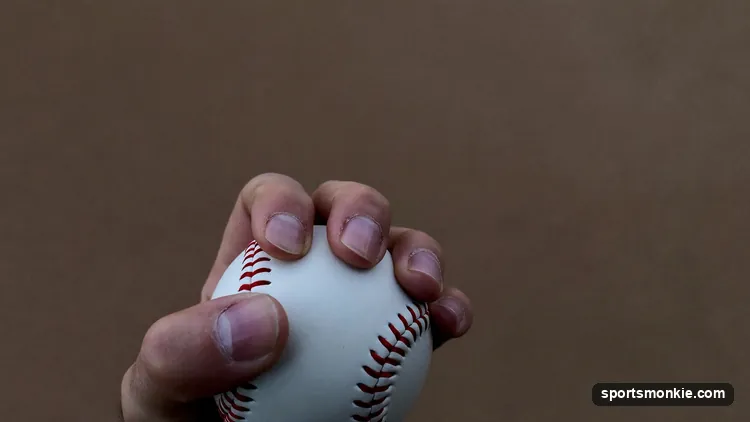
How to Throw a Curveball: Grip, Spin & Release
To throw a curveball, use a spike or standard grip with the middle finger on a seam, apply topspin by pulling down at release, and stay on top for a sharp downward break.
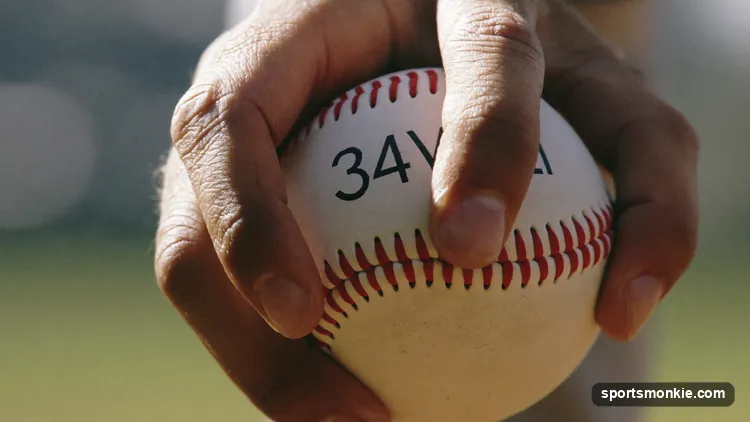
How to Throw a Slider: Grip, Spin & Release
To throw a slider, grip it slightly off-center like a two-seam, apply firm sidespin off the index finger, and stay on top with fastball arm speed for late lateral break.
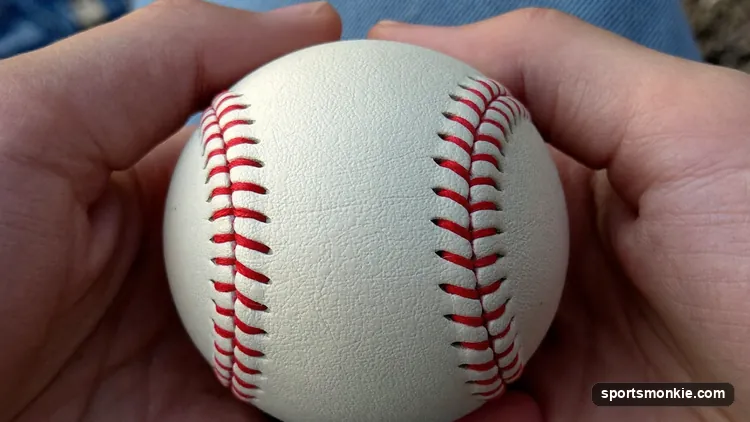
How to Throw a Sinker in Baseball: Grip & Movement
To throw a sinker, use a two-seam grip along the seams, apply slight pronation at release, and throw with fastball intent for arm-side run and downward sink that gets ground balls.

How to Throw a Two-Seam Fastball: Grip, Movement & Drills
To throw a two-seam fastball, place your index and middle fingers along the narrow seams, thumb underneath, and add slight pressure with the index finger to create arm-side run and sink.
How to Throw a Changeup: Grip, Arm Speed & Deception
To throw a changeup, use a circle or three-finger grip deeper in the hand, then throw it with identical fastball arm speed so it arrives 8-12 mph slower and fools timing.
How to Throw a Knuckleball: Grip, Release, and Drills
Learn how to throw a knuckleball step by step: the fingertip grip, the dead-wrist release that kills spin, and drills used by real MLB knuckleballers.