
How to Throw a Four-Seam Fastball: Grip, Mechanics, and Drills
On this page6
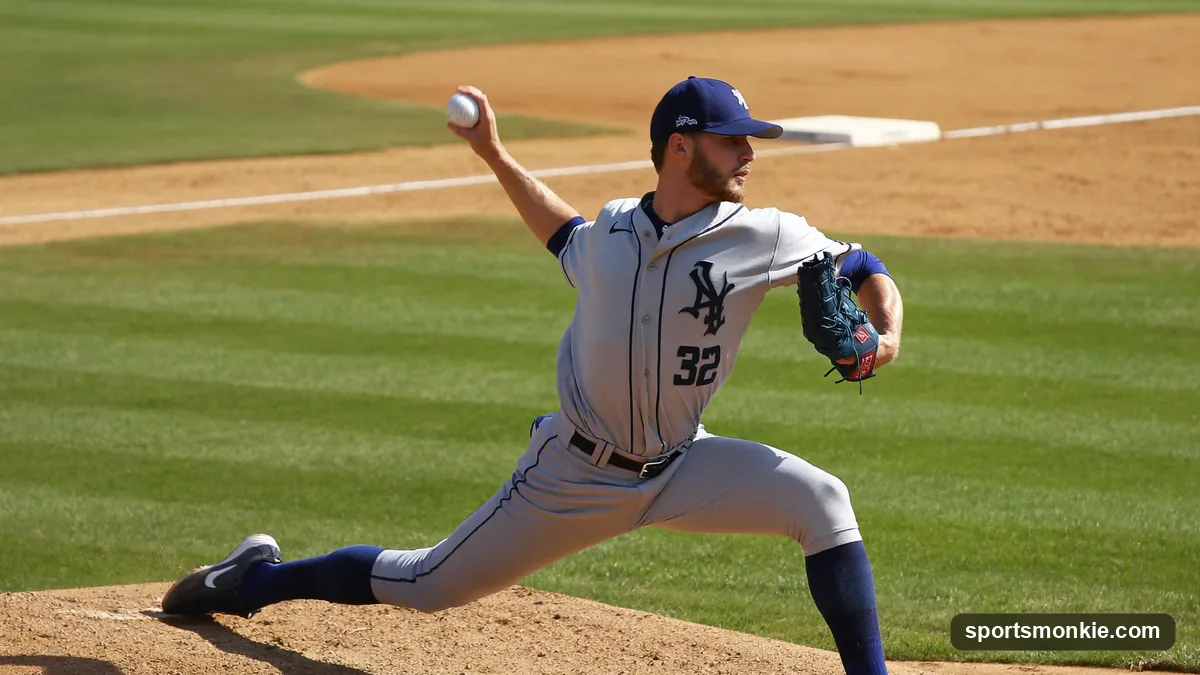
To throw a four-seam fastball, grip the ball across the horseshoe seam with your index and middle fingers close together and your thumb centered underneath, hold it loosely in your fingertips, and pull straight down through the seams at release. That motion produces true backspin, which is what makes the four-seamer the fastest and straightest pitch in the game — and, at the top of the zone, the one that looks like it’s rising right through a hitter’s swing.
What Is a Four-Seam Fastball?
The four-seam fastball is the standard-issue pitch of baseball, thrown across the two seams that form a horseshoe pattern on the ball so all four seams rotate into view with every revolution. It’s one of several entries in the broader types of pitches in baseball, but it’s the one nearly every pitcher — from Little League to the majors — learns first, because the grip requires the least manipulation of the wrist and forearm. That natural, uncomplicated release is exactly why it’s usually the hardest-thrown pitch in a pitcher’s mix.
The Four-Seam Grip: Step by Step
Getting the grip right is 90 percent of throwing a good four-seamer. Work through these steps every time until it becomes automatic.
- Find the horseshoe. Turn the ball until the seams form a “C” or horseshoe shape, with the open end of the C facing your glove side, away from your throwing hand.
- Place your index and middle fingers across the seams. Lay them across the top of the horseshoe where the seams are widest apart, spaced about a half inch to three-quarters of an inch from each other.
- Set your thumb underneath. Center your thumb directly below the ball on smooth leather, with the base of the thumb resting near a seam for stability.
- Let your ring finger and pinky rest lightly on the side. Depending on hand size, the ring finger can touch the side of the ball for support; the pinky stays off entirely.
- Keep it loose. Hold the ball in your fingertips only, with a visible gap between the ball and your palm — like holding an egg you don’t want to crack. A tight, palm-heavy grip adds friction and kills spin.
- Stay behind the ball through your arm path. As your arm comes forward, keep your palm facing the target as long as possible rather than turning it early.
- Pull down through the seams at release. Finish by yanking your index and middle fingers straight down the back of the ball as it leaves your hand, rather than around the side.
How to Create Backspin That “Rises”
The four-seam fastball’s signature trait isn’t its velocity alone — it’s the backspin. A clean, direct pull-down at release spins the ball purely backward, and that backspin generates the Magnus effect: a lift force that partially offsets gravity and slows the ball’s natural drop compared to other pitches. The ball never actually rises above release height, but because a hitter’s eyes are calibrated to expect more drop, a high-spin four-seamer at the top of the zone looks like it’s exploding upward through the swing path. Elite four-seam pitchers such as Gerrit Cole, Spencer Strider, and Jacob deGrom lean on exactly this effect, pairing high velocity with elite spin rates to generate carry that makes the pitch play faster than the radar gun suggests.
Why It’s the Fastest, Most-Controlled Pitch
Two things set the four-seamer apart from every other pitch in a starter’s repertoire:
- Velocity. Because the grip and release path mirror the body’s most natural throwing motion, pitchers can commit to maximum arm speed without sacrificing accuracy. Nearly every hardest-pitch record in baseball history was set with a four-seamer.
- Control. True backspin cuts through the air with minimal side-to-side wobble, so the ball’s flight path is more predictable than a pitch with lateral break. That’s why pitching coaches teach the four-seamer first and use it as the foundation pitch that everything else — the two-seam fastball, the sinker, the changeup — is built off of.
Four-Seam vs. Two-Seam Fastball
Both pitches start from a fastball arm slot and similar velocity range, but the grip changes everything about how the ball moves.
| Feature | Four-Seam Fastball | Two-Seam Fastball |
|---|---|---|
| Grip | Across the seams (horseshoe) | With/along the seams (narrow) |
| Spin | Pure backspin | Backspin with side-spin |
| Movement | Straight, flat, minimal break | Arm-side run and sink |
| Velocity | Typically the fastest pitch thrown | Usually 1-3 mph slower |
| Best location | Up in the zone | Down in the zone |
| Primary use | Swing-and-miss, climbing the ladder | Ground balls, weak contact |
For pitchers who want more horizontal movement and ground-ball outs, how to throw a two-seam fastball and how to throw a sinker in baseball cover the seam-shift grips that trade some of that four-seam carry for run and sink.
Drills to Improve Your Four-Seam Fastball
- Wall spin drill. Stand close to a wall, ball gripped correctly, and snap your wrist forward so the ball spins in place against the wall. Watch for a clean, pure backspin axis with no wobble before adding distance.
- Towel drill. Hold a small towel in your throwing hand and repeat your arm path and release motion (without a ball) to groove staying behind the object and pulling down through the finish.
- Long toss with a purpose. Extend your throwing distance gradually while focusing only on backspin quality and finishing “through” the target, not just adding arm strength.
- High-target bullpens. Set a target at the top of the strike zone and throw four-seamers exclusively at it, since that’s where the pitch’s carry does the most damage against hitters.
- Spin-rate feedback. If you have access to a radar device that measures spin rate, use it to compare grip and pressure changes — small tweaks to finger spacing or thumb placement often move spin efficiency more than arm effort does.
Master the four-seamer first, and every other pitch in your mix — from a two-seam fastball to a diving sinker — will play off the same clean arm path. For more grip breakdowns across the full arsenal, see our complete guide to the types of pitches in baseball and the rest of our baseball and MLB coverage.
Frequently asked questions
How do you throw a four-seam fastball?+
Rotate the ball until the seams form a horseshoe or 'C' shape facing you, then lay your index and middle fingers across the top of that horseshoe, about half an inch apart, with your thumb centered underneath. Grip it lightly in your fingertips, stay behind the ball through your arm path, and pull straight down through the seams at release to create backspin.
Why is the four-seam fastball the fastest pitch?+
The four-seam grip and release require the least manipulation of the wrist, elbow, and forearm of any pitch, so a pitcher can throw it with maximum arm speed and a completely natural arm path. That efficiency, combined with true backspin that cuts through the air with minimal drag, is why it's typically the hardest pitch in a pitcher's arsenal.
Why does a four-seam fastball look like it rises?+
It doesn't actually rise — physics won't allow a pitched ball to climb above its release point. Heavy backspin creates the Magnus effect, a lift force that fights gravity and slows the pitch's natural drop. Compared to the sharper-breaking pitches a hitter's eyes are tracking, that flatter path reads as 'rise' out of the hand.
What's the difference between a four-seam and a two-seam fastball?+
A four-seam fastball is gripped across the seams for backspin, more velocity, and a straight, flat path. A two-seam fastball is gripped with the seams for extra arm-side run and sink, trading a few ticks of velocity for horizontal movement. See our guide on how to throw a two-seam fastball for the grip breakdown.
How far apart should your fingers be on a four-seam grip?+
Roughly a half inch to three-quarters of an inch apart, spaced evenly across the top seam. Fingers pinched too close together reduce spin efficiency, while spreading them too wide costs control and pull-through power at release.
Should you grip a four-seam fastball tight or loose?+
Loose. Hold the ball with your fingertips, not your palm, so there's a visible gap between the ball and the inside of your hand. A tight, palm-heavy grip adds friction that kills spin rate and velocity — the pros describe the ideal pressure as holding an egg without cracking it.
What MLB pitchers are known for elite four-seam fastballs?+
Pitchers such as Gerrit Cole, Spencer Strider, and Jacob deGrom have built reputations on four-seamers with elite velocity and high spin rates that generate exceptional carry at the top of the strike zone, making the pitch especially tough to square up even when hitters know it's coming.
Where should you throw a four-seam fastball for the best results?+
Because of its flat, carrying shape, the four-seamer plays best up in the strike zone, where its resistance to drop causes hitters to swing underneath it. Two-seamers and sinkers, by contrast, are usually more effective when located down in the zone.
Sources
Play & tools
Free browser games and tools — no account, no download.
- Play 162-0 — Draft nine and see if your roster can survive a flawless 162-game MLB season.
- Explore all our games →
- Analyze a trade — Compare both sides of a fantasy baseball trade before you accept.
- Run the MLB predictor — Simulate the MLB postseason bracket down to a World Series champion.
- Open the ERA calculator — Work out earned run average from earned runs and innings pitched — handles the .1/.2 thirds convention.
- Explore all our free sports tools →
Related baseball guides
View all →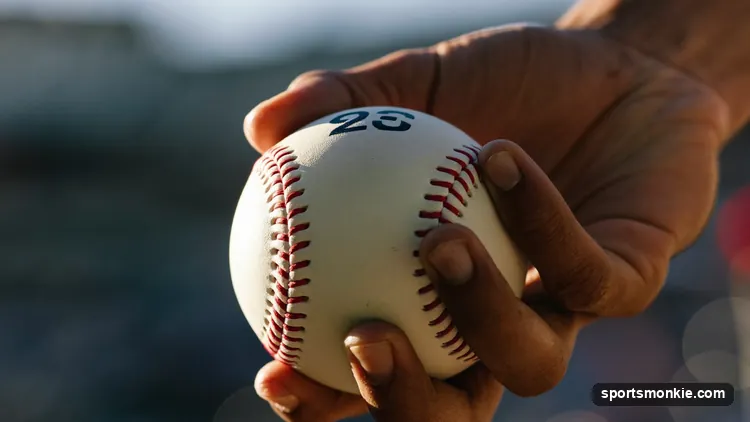
How to Throw a Knuckleball: Grip, Release, and Drills
Learn how to throw a knuckleball step by step: the fingertip grip, the dead-wrist release that kills spin, and drills used by real MLB knuckleballers.
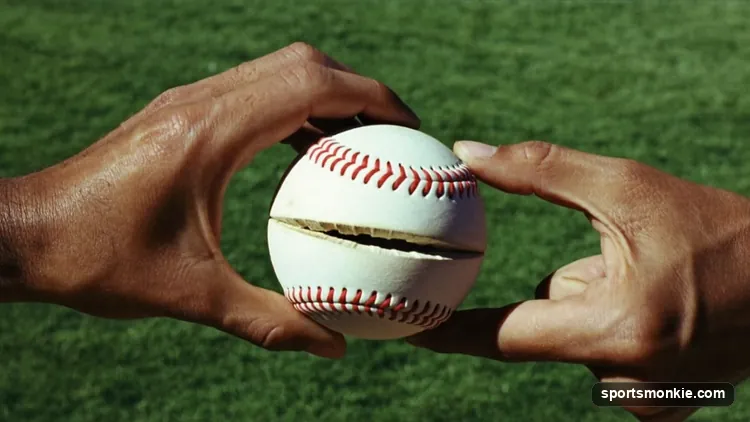
How to Throw a Splitter: Grip, Mechanics and Elbow-Safety Tips
Learn how to throw a splitter: the wide index-middle finger grip, fastball arm action, why it drops late, and how it differs from a forkball or changeup.

How to Throw a Two-Seam Fastball: Grip, Movement & Drills
To throw a two-seam fastball, place your index and middle fingers along the narrow seams, thumb underneath, and add slight pressure with the index finger to create arm-side run and sink.
What Is a Fastball in Baseball? Types, Grip, and Movement
A fastball is a pitcher’s high-velocity pitch family. Four-seam, two-seam, cutter, and sinker versions trade speed for movement.
Slider vs Curveball: Grip, Spin, and Movement Compared
Slider vs curveball compared: grip, spin axis, velocity, and movement shape, plus a table showing exactly how to tell the two pitches apart.
How to Throw a Changeup: Grip, Arm Speed & Deception
To throw a changeup, use a circle or three-finger grip deeper in the hand, then throw it with identical fastball arm speed so it arrives 8-12 mph slower and fools timing.