
Keelboat vs Dinghy: Key Differences and Which to Choose

On this page5
The difference between a keelboat and a dinghy starts below the hull. A keelboat uses fixed ballast for stability; a dinghy is lighter and uses crew movement plus a centerboard or daggerboard to resist sideways drift.
Stability and response
Keelboats tend to feel settled because the ballast resists heeling. Dinghies react immediately to a gust or a sailor moving across the boat, which makes them excellent classrooms for balance and sail trim.
Where each boat works best
Dinghies suit sheltered-water practice, racing and short day sails. Keelboats can be configured for coastal cruising, overnight trips and heavier weather, provided the boat and crew are prepared for it.
Cost and storage
A dinghy may be stored on a trailer or rack. A keelboat may require a berth, winter storage and more systems to maintain. Purchase price is only one part of ownership; transport, rigging, insurance and safety gear matter too.
Learning curve
Dinghy sailing makes mistakes visible: a poor trim or sudden gust can produce a capsize. Keelboats give more stability but still require the same fundamentals. Our sailing for beginners guide covers those foundations, while sailing lessons explains how instruction changes by boat.
Which should you choose?
Choose a dinghy for fast feedback and low-complexity practice. Choose a keelboat if your goal is stable cruising or coastal sailing. A short lesson in both can reveal which boat matches your water, confidence and ambitions.
Motorsport readers can make a similar technology comparison with direct-drive and belt-drive wheels. For a different sport’s rules, read polo rules and the hockey power play guide.
Frequently asked questions
What is the main difference between a keelboat and dinghy?+
A keelboat has a fixed ballast keel below the hull; a dinghy relies on crew weight and a centerboard or daggerboard for stability and lateral resistance.
Which is easier for a beginner?+
A dinghy teaches sail trim and balance quickly, while a small keelboat can feel more stable. The best choice depends on the instructor and local water.
Can a dinghy capsize?+
Yes. Capsize recovery is a normal training skill, and sailors should practise it with qualified supervision and appropriate safety equipment.
Are keelboats safer offshore?+
A properly equipped keelboat is generally better suited to offshore work, but safety depends on design, weather, crew, maintenance and passage planning.
Is a dinghy cheaper to own?+
Usually. Dinghies use less material and can be stored on a trailer, but marina, insurance and maintenance costs vary widely.
What should I learn first?+
Learn points of sail, steering, sail trim, right-of-way and capsize or man-overboard procedures before sailing independently.
Sources
Play & tools
Free browser games and tools — no account, no download.
- Play today's Sports Connections — Today's Sports Connections — daily hints, answers, and play the grid.
- Play Guess the NFL Player — A new mystery NFL player every day. Eight guesses, with a clue on each — plus free unlimited mode.
- Explore all our games →
Related guides
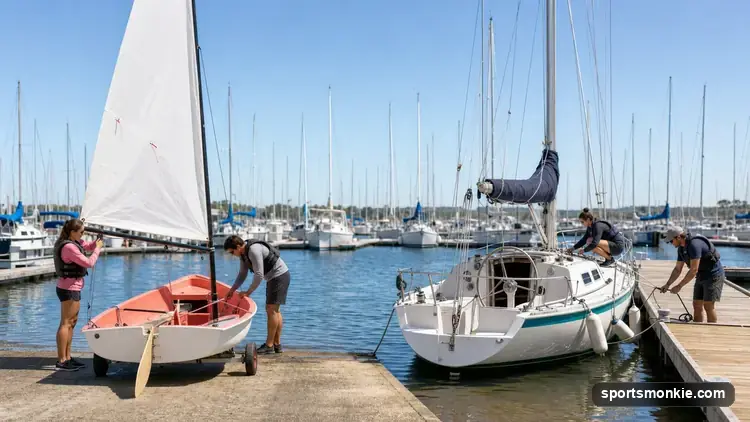
Keelboat vs. Dinghy: Which Should You Learn to Sail On?
Keelboat vs dinghy: the real differences in stability, capsize risk, and cost, plus which one US Sailing, ASA, and RYA recommend for beginners.
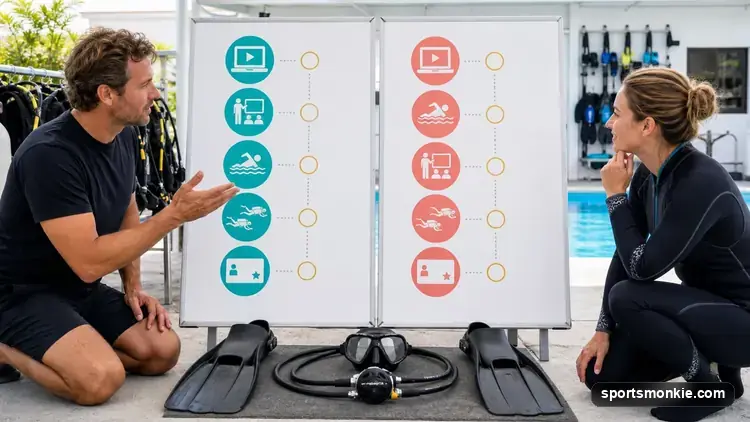
SSI vs PADI: Key Scuba Certification Differences
SSI and PADI both teach internationally recognised recreational scuba courses. Compare learning materials, instructor pathways, digital records and what actually matters when choosing.

All-Mountain vs Carving Skis: Which Should You Choose?
All-mountain skis handle varied snow and terrain, while carving skis focus on groomed pistes and clean edge turns. Compare width, shape, stability and skill level.
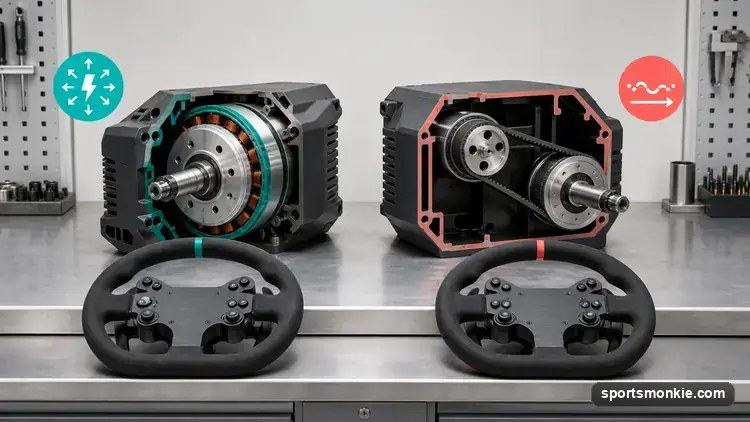
Direct-Drive vs Belt-Drive Sim Racing: Which Is Better?
Direct-drive wheels connect the motor to the shaft, while belt-drive systems smooth and reduce the force. Compare realism, noise, price and upgrade paths.

AFL vs Rugby: Key Differences
AFL is Australian rules football on an oval with marks and 6-point goals; rugby is a rectangular tackling game with tries and scrums. The key differences compared.
MotoGP vs F1: Speed, Cost and Key Differences
MotoGP is premier motorcycle racing; F1 is premier open-wheel car racing. How they compare on speed, cost, driver pay and difficulty, explained.