
Polo Sport Rules Explained: Positions, Fouls and Scoring

On this page5
Polo is a team sport played on horseback with mallets and a ball. Outdoor polo normally has four players per side, and the match is divided into chukkas. The aim is simple—score through the posts—but safe movement depends on detailed right-of-way rules.
Positions and roles
Players are numbered one through four. The number-one player attacks, number two supports and marks, number three often links defence to attack, and number four protects the goal. Players rotate responsibilities as the play changes.
Chukkas and rest
Each chukka is a short period of play. The break lets players change horses and allows officials to reset the match. The exact schedule varies by tournament and arena format.
Line of the ball
The line of the ball is the moving path created by the last hit. The rider with the safer line generally has priority; an opponent must enter from a safe angle or risk a foul. This rule protects horse and rider at speed.
Fouls and penalties
Fouls include dangerous riding, crossing the line and improper use of the stick. Officials can award penalty shots or other sanctions. Our polo match length guide explains why clock time differs from the scheduled duration, while what to wear to a polo match covers spectator etiquette.
How teams are balanced
Tournament organisers use player handicaps to calculate a team total. A team may receive a starting advantage when its combined handicap is lower than its opponent’s, depending on the competition rules.
Winter-sports readers can compare equipment categories in all-mountain versus carving skis. See SSI versus PADI for a safety-focused certification comparison.
Frequently asked questions
How many players are on a polo team?+
Outdoor polo uses four players per team. Arena and low-goal formats can use fewer players and different field dimensions.
How does a polo team score?+
A team scores when its shot sends the ball through the goal posts. After a goal, teams change direction for the next throw-in.
What is a chukka?+
A chukka is a timed period of polo. The number and length of chukkas depend on the competition and format.
What is right of way in polo?+
Right of way follows the line of the ball. A player may not cross another rider's path in a way that creates a dangerous collision.
Can players change horses?+
Yes. Players commonly use a string of horses and change between chukkas so the animals can recover.
What is a polo handicap?+
A handicap estimates a player's playing level and helps organisers balance teams; it is not a horse rating or a guarantee of match outcome.
Sources
Play & tools
Free browser games and tools — no account, no download.
- Play today's Sports Connections — Today's Sports Connections — daily hints, answers, and play the grid.
- Play Guess the NFL Player — A new mystery NFL player every day. Eight guesses, with a clue on each — plus free unlimited mode.
- Explore all our games →
Related guides
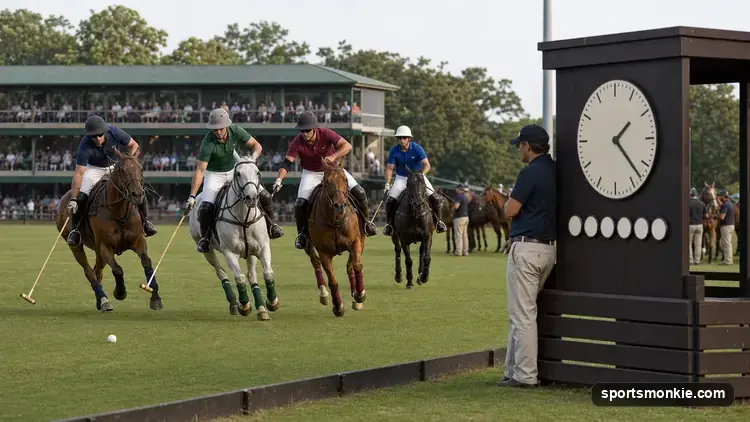
How Long Does a Polo Match Last? Chukkas Explained
A polo match runs 1 to 2 hours across 4-8 chukkas of 7-7.5 minutes each, plus breaks and halftime. Here's the exact breakdown by level of play.
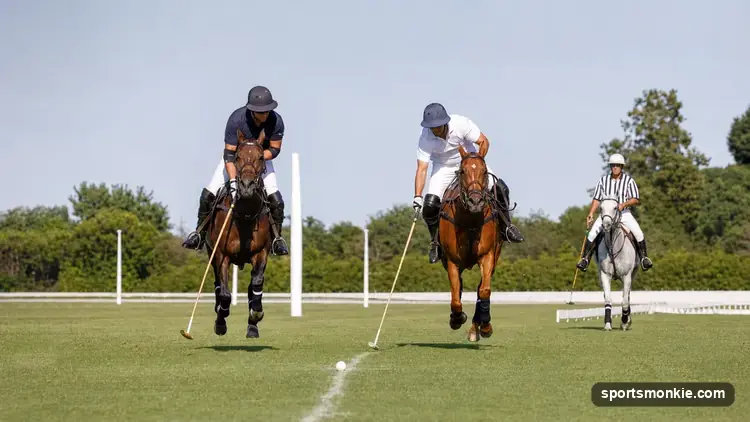
Polo Rules Explained: A Beginner's Guide to the Sport
Polo rules in plain English: teams of four score with a mallet and ball on horseback over 4-6 chukkas. Here's the right-of-way rule, handicaps and field size.

What Is a Try in Rugby? Scoring Values and Grounding
A try is rugby’s main scoring play, awarded when an attacking player grounds the ball in the opponents’ in-goal area.

How Does MMA Scoring Work? Judging Explained
MMA judges score each round 10-9 on effective striking, grappling and control. Judging criteria, decision types and how a UFC fight is scored.
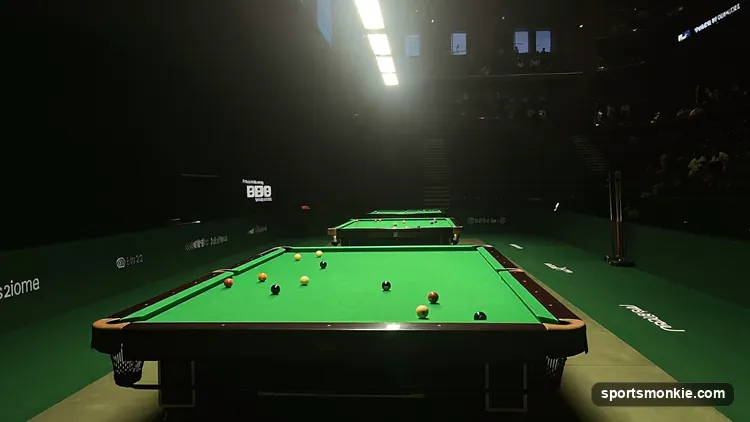
How Snooker Scoring Works: Points, Breaks and Frames
How snooker scoring works: reds score 1, colours 2 to 7, a break is your total in one visit, and most points wins the frame. With a scoring table.
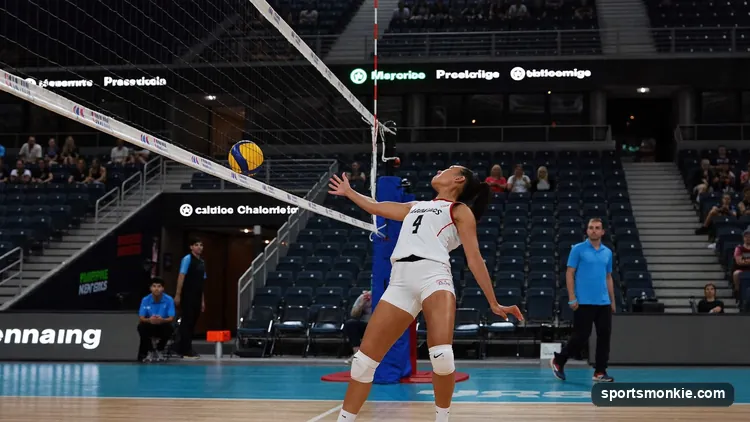
How Volleyball Scoring Works: Rally Scoring Explained
Volleyball uses rally scoring: a point on every rally, sets to 25, a fifth set to 15, win by two. How points, sets and matches are counted, with a table.