
What Is a Try in Rugby? Scoring Values and Grounding

On this page5
TL;DR
The attacker must press the ball to the ground in the opponents’ in-goal area while controlling it. A try is followed by a conversion attempt from a line connected to where the try was grounded.
Grounding requirements
Control and downward pressure matter. A loose ball that is merely touched over the line is not automatically a try, and the referee may use video review where the competition allows it.
Conversion after a try
The scoring team receives a kick at goal. The angle is chosen by the kicker, while the distance from the try location influences the difficulty.
Try versus touchdown
“Try” is rugby terminology; “touchdown” is used in American football. Both are scoring plays, but the ball-control and restart rules are different.
Defensive goal-line play
Defenders can hold up the ball, force it into touch or prevent grounding. A split-second decision at the line often decides whether the referee awards five points or a restart.
Related rugby reading
Compare scrums, rugby versus American football, stoppage time and the world’s popular sports.
Sources
Play & tools
Free browser games and tools — no account, no download.
- Play today's Sports Connections — Today's Sports Connections — daily hints, answers, and play the grid.
- Play Guess the NFL Player — A new mystery NFL player every day. Eight guesses, with a clue on each — plus free unlimited mode.
- Explore all our games →
Related guides

How Does MMA Scoring Work? Judging Explained
MMA judges score each round 10-9 on effective striking, grappling and control. Judging criteria, decision types and how a UFC fight is scored.
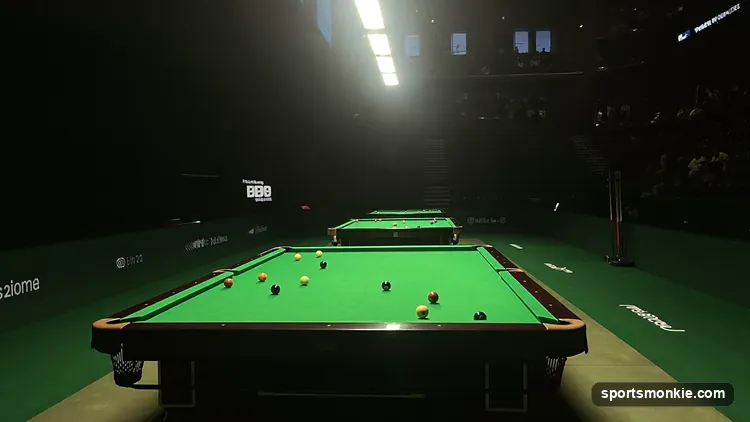
How Snooker Scoring Works: Points, Breaks and Frames
How snooker scoring works: reds score 1, colours 2 to 7, a break is your total in one visit, and most points wins the frame. With a scoring table.
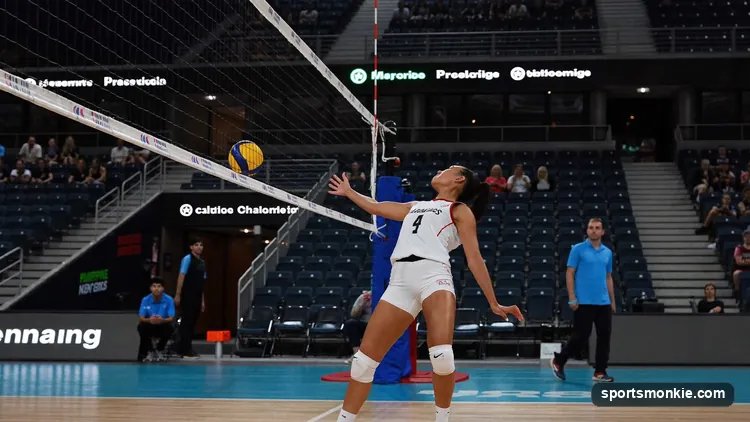
How Volleyball Scoring Works: Rally Scoring Explained
Volleyball uses rally scoring: a point on every rally, sets to 25, a fifth set to 15, win by two. How points, sets and matches are counted, with a table.

Snooker Ball Values: Colours and Points Chart
Snooker ball values in one chart: red 1, yellow 2, green 3, brown 4, blue 5, pink 6, black 7. What each colour is worth, where it sits, and how it scores.
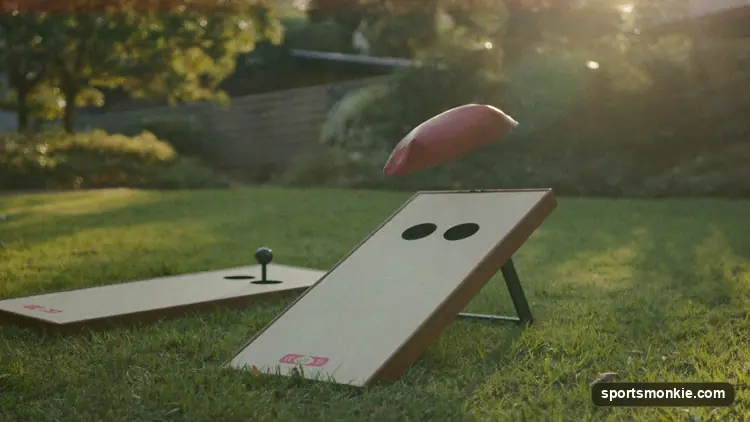
Cornhole Rules: Scoring and How to Win
Cornhole rules explained: cancellation scoring, the official 27-foot distance, board and bag specs, and what busting means. Play a proper game.

How Many Points Is a Try in Rugby?
A try in rugby union is worth 5 points, plus a 2-point conversion kick. All the ways to score in rugby, with a full points breakdown, explained clearly.