
All-Mountain vs Carving Skis: Which Should You Choose?

On this page5
All-mountain skis are built for variety; carving skis are built for precision on groomed pistes. The best choice is determined by your usual snow and terrain, not by which category sounds more advanced.
Shape and width
Carving skis are often narrower underfoot with a strong sidecut, so they roll quickly onto edge and hold a clean arc. All-mountain skis usually add waist width and a more forgiving rocker profile for mixed conditions.
Groomers versus variable snow
If most days are on hard, prepared runs, a carving ski rewards edge angle and linked turns. If you regularly find soft snow, bumps or tracked-out terrain, an all-mountain platform gives more flotation and versatility.
Skill and effort
A moderate carving ski can help a developing skier learn edging. An aggressive race-style ski demands accurate pressure. An all-mountain ski can hide small errors but may feel less lively on a firm piste.
Matching boots and technique
Ski choice cannot compensate for a poor boot fit. Our ski boot flex guide explains support and movement, while ski boot sizing covers fit.
The practical recommendation
Pick carving skis for a piste-focused holiday or lessons on groomers. Pick all-mountain skis when one setup must cover different snow and you accept a little less hard-snow precision.
Return to the start of this equipment cluster with ski boot flex explained. The cluster also includes direct-drive versus belt-drive and polo rules.
Frequently asked questions
What is a carving ski?+
A carving ski has a pronounced sidecut and is tuned to make clean, predictable turns on prepared snow.
What is an all-mountain ski?+
An all-mountain ski is a compromise designed to work across groomed runs and a range of snow conditions.
Are carving skis easier for beginners?+
On groomed snow, a moderate carving shape can make turning intuitive. Very narrow or aggressive race-oriented skis can be demanding.
Are wider skis slower?+
Wider skis can feel less quick edge-to-edge on hard snow but offer more support in soft snow. Speed depends on shape, snow and technique.
Can all-mountain skis carve?+
Yes. Most all-mountain skis can carve on groomers, but they may not feel as precise as a dedicated piste ski.
How should ski length be chosen?+
Length depends on height, weight, ability, ski shape and terrain. A shop or instructor can confirm the range after discussing your use.
Sources
Play & tools
Free browser games and tools — no account, no download.
- Play today's Sports Connections — Today's Sports Connections — daily hints, answers, and play the grid.
- Play Guess the NFL Player — A new mystery NFL player every day. Eight guesses, with a clue on each — plus free unlimited mode.
- Explore all our games →
Related winter sports guides
View all →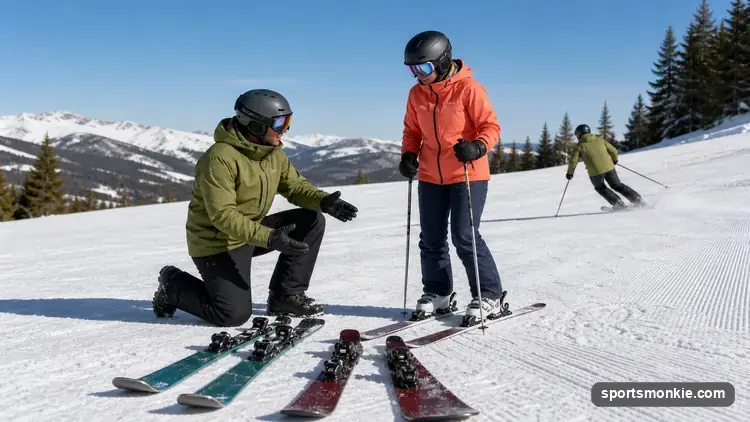
All-Mountain vs. Carving Skis: Which Should You Buy?
All-mountain skis (85-105mm waist) handle every terrain, while carving skis (65-88mm waist) grip tight groomed turns. Here is who needs which, and when.
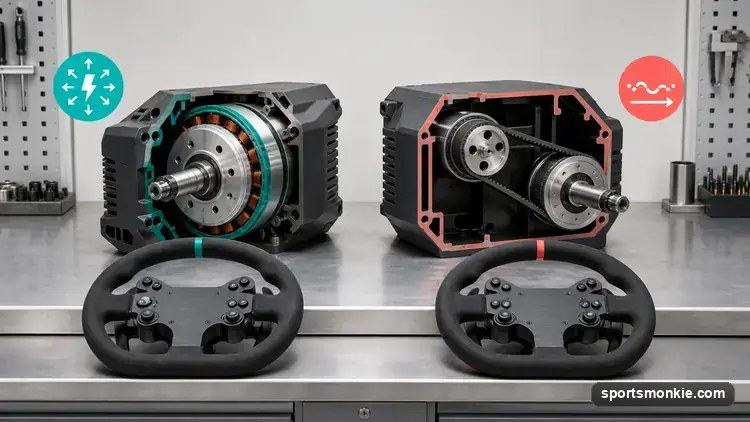
Direct-Drive vs Belt-Drive Sim Racing: Which Is Better?
Direct-drive wheels connect the motor to the shaft, while belt-drive systems smooth and reduce the force. Compare realism, noise, price and upgrade paths.
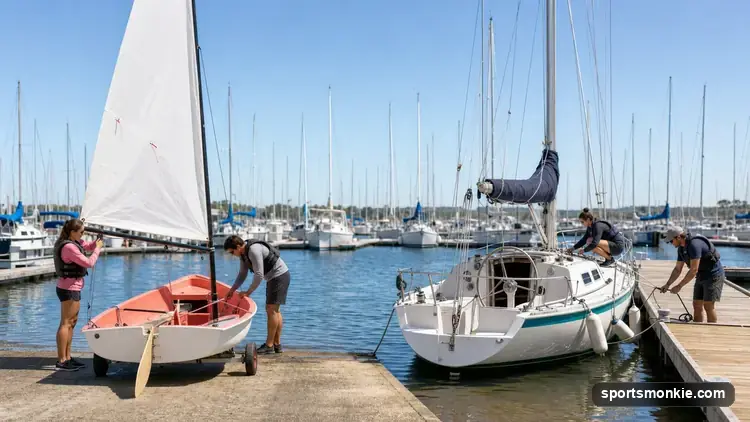
Keelboat vs Dinghy: Key Differences and Which to Choose
Keelboats use a fixed ballast keel for stability, while dinghies are lighter, shallower and more responsive. Compare handling, safety, cost and best uses.
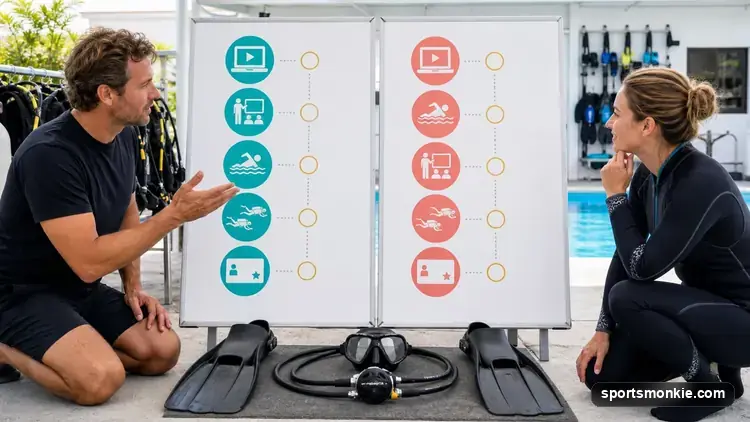
SSI vs PADI: Key Scuba Certification Differences
SSI and PADI both teach internationally recognised recreational scuba courses. Compare learning materials, instructor pathways, digital records and what actually matters when choosing.
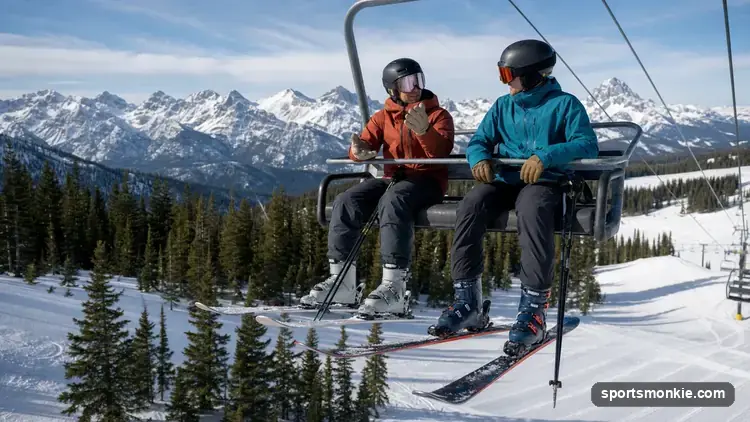
Ski Boot Flex Explained: How to Choose the Right Stiffness
Ski boot flex describes how much the cuff resists forward movement. Learn what soft, medium and stiff flex mean and how weight, ability and terrain change the choice.
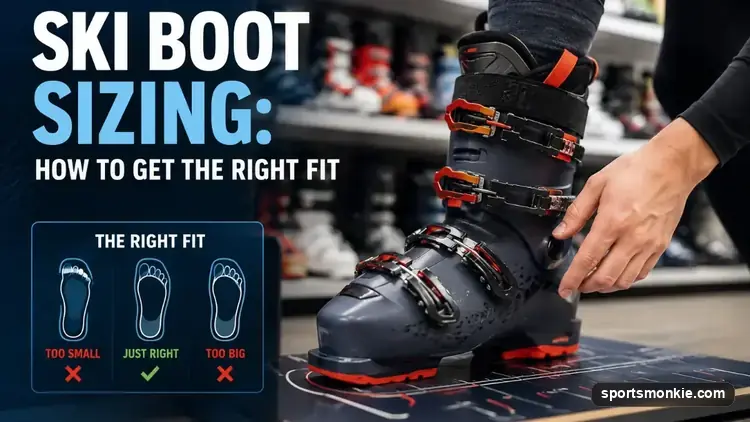
Ski Boot Sizing: How to Get the Right Fit
Ski boots are sized in Mondopoint (your foot length in cm). Learn to measure your Mondo size, pick flex and last width, and run the shell fit test.