
How to Bowl a Yorker in Cricket: Step-by-Step Guide
On this page6
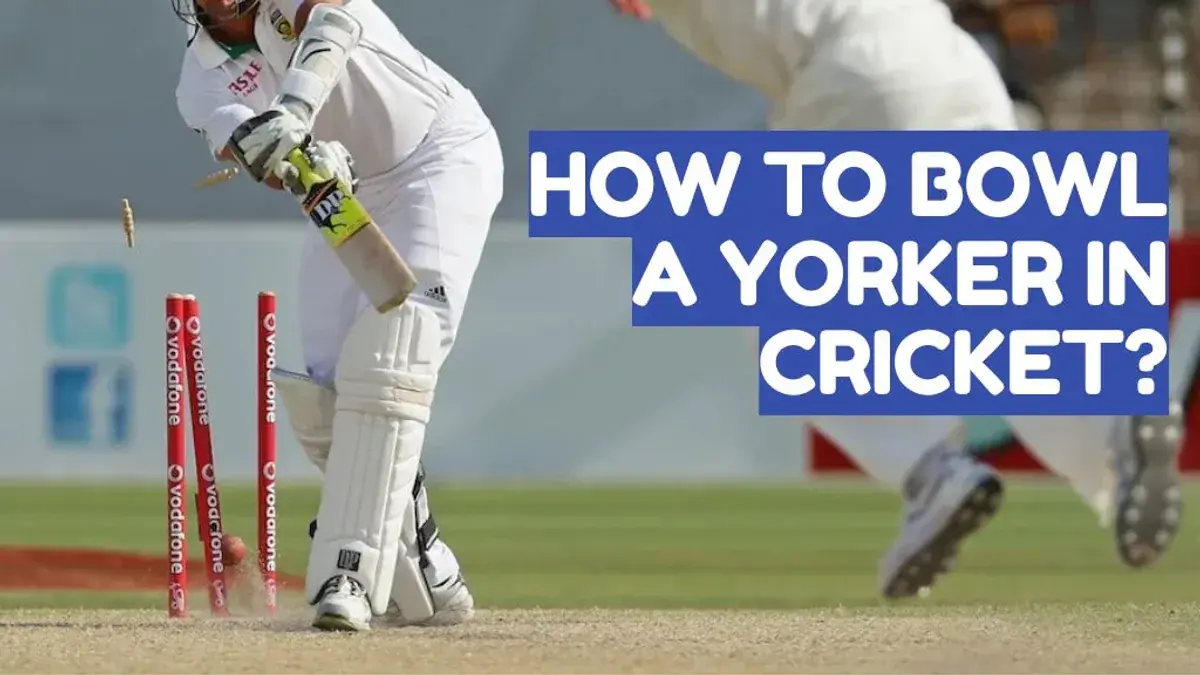
Two balls left, ten runs needed, and the batter is already backing away to free his arms. This is where the yorker earns its reputation: a full-length ball aimed at the base of the stumps or the batter’s feet, landing in the block hole two to three inches in front of the crease. Get the length right and there is almost nothing the batter can do with it.
Why the Yorker Is So Effective
It works by taking away every option at once:
- Cannot drive — the ball is too close to the feet for a clean drive
- Cannot pull or hook — not short enough
- Cannot cut — not enough width or bounce
- Must dig it out — often results in a cramped, defensive jab at best
At the death in T20 cricket, when batters are swinging hard and backing away to manufacture room, a well-executed yorker is often the one ball they simply cannot get away.
The Grip
Use your standard seam-up grip for a conventional yorker:
- Index and middle fingers on top of the seam, slightly apart
- Thumb underneath on the seam for support
- Ring and little fingers curled naturally on the side
For a swinging yorker, switch to your inswing or outswing grip and aim at the same spot. For a slower yorker, use an off-cutter or knuckle-ball grip at the same full length.
Target Zone
| Delivery Type | Pitch Target |
|---|---|
| Stump yorker | Base of middle stump, in the block hole |
| Wide yorker | Outside off stump, yorker length |
| Inswinging yorker | Pitches outside off, swings into the toe |
| Slower yorker | Same as stump yorker, reduced pace |
The block hole sits roughly 1-3 inches in front of the batter’s back foot when they’re set in their stance.
Step-by-Step Technique
Step 1: Run up at your natural pace. A changed run-up or slower approach gives the variation away. Your approach should look identical to a stock delivery.
Step 2: Release the ball slightly later than normal. Hold on to it a fraction longer in your delivery stride and let go when your arm is almost fully extended. That alone pushes the ball fuller.
Step 3: Keep your head high and look at the target. Fix your eyes on the block hole or the base of the stumps, not the batter’s body. Your arm follows your gaze.
Step 4: Drive through the crease hard. A weak follow-through drops the ball short. Commit fully and drive your arm through; pull back and it either balloons into a full toss or lands as a half-volley.
Step 5: Vary the line. Mix stumps, the outside-off channel, and the occasional ball at leg stump. A batter who knows exactly where the yorker is going will simply move his feet to meet it.
Common Mistakes
- Under-pitching — this produces a full toss, which is free runs or a no-ball
- Over-pitching — landing it short of the block hole turns it into a half-volley, easy to drive
- Telegraphing with your run-up — slowing down or widening your crease position tells the batter what’s coming
- Losing the line — a yorker outside leg stump is easy to flick; outside off is more threatening but has to be full
Practicing Yorkers
Put a cone, a piece of tape, or a folded towel in the block hole during net sessions and bowl at it, over after over, until it lands there without you thinking about it. That repetition is what separates a yorker that works under pressure from one that only works in the nets.
Frequently asked questions
What is the block hole in cricket?+
The block hole is the area between the batter's feet and the crease where they rest their bat to face the ball. A yorker aimed at the block hole is directed into this gap, leaving no room to play a shot.
What is a slower yorker?+
A slower yorker is bowled at reduced pace but at the same full length targeting the feet. Used at the death in T20 cricket, it deceives batters swinging early and can cause the ball to miss the bat entirely.
Why is a yorker hard to hit?+
A full-length delivery aimed at the batter's feet gives them no room to drive or pull. They cannot get underneath it to slog, and there is no width to cut. The batter must dig it out defensively or risk being bowled or leg before wicket.
Sources
Play & tools
Free browser games and tools — no account, no download.
- Play today's Sports Connections — Today's Sports Connections — daily hints, answers, and play the grid.
- Play Guess the NFL Player — A new mystery NFL player every day. Eight guesses, with a clue on each — plus free unlimited mode.
- Explore all our games →
Related cricket guides
View all →
How to Bowl Faster in Cricket: Tips to Gain Real Pace
Bowl faster in cricket by improving run-up momentum, loading the body efficiently, and releasing with a full, high arm. Strength and technique add pace.
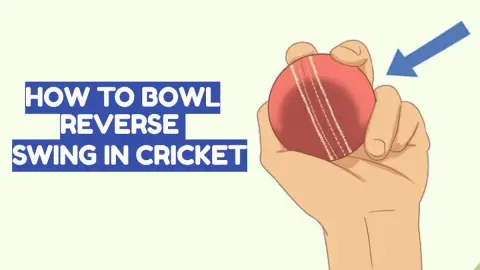
How to Bowl Reverse Swing in Cricket: Technique Explained
Reverse swing makes an old, scuffed ball curve opposite to normal swing. Keep the shiny side toward your target, angle the seam, and bowl at high pace.
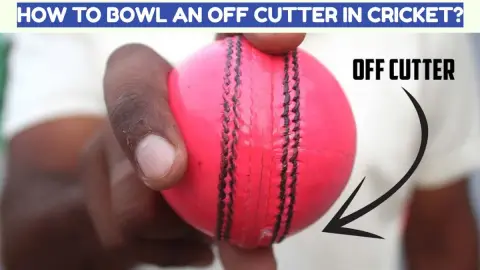
How to Bowl an Off Cutter in Cricket: Grip & Technique
An off cutter is a seam ball that cuts from off to leg into a right-hander. Grip across the seam and drag the middle finger down at release for movement.
How to Bowl a Leg Cutter in Cricket: Grip & Technique
A leg cutter is a fast bowler's delivery that cuts from leg to off. Grip fingers across the seam, then drag the index finger down at release for movement.
How to Bowl the Doosra: Grip, Action, and Technique
The doosra is an off-spinner's secret weapon, a ball that turns away from a right-handed batter instead of into them. Learn to bowl it safely and well.
What Is a Googly in Cricket?
A googly is a leg-spinner's disguised delivery that turns the opposite way to a leg break, spinning into a right-hander. See how it's bowled and deceives.