
How to Play a Perfect Square Cut in Cricket: Step-by-Step
On this page8
Ricky Ponting used to say the cut shot separated batters who could play fast bowling from those who just survived it. There’s a reason: it demands a split-second read of length and width, then a full, committed swing, with almost no margin for hesitation. Get the ball selection wrong and it’s the quickest way back to the pavilion. Get it right and point fielders don’t move.
The Right Ball to Cut
Ball selection matters more than the swing itself. Cut when the delivery is:
- Short — pitching well short of a good length.
- Wide of off stump — enough room to extend your arms without the ball crashing into your body.
- At waist height or below by the time it reaches you.
A fuller ball invites a leading edge. One that’s too close to the body cramps the swing and pops up off the top edge.
Grip
Your normal batting grip works fine here. Through the swing, the top hand (left hand for a right-hander) does most of the steering — it controls the bat face and keeps contact angled down through the ball.
Footwork
- Back and across. Once you’ve picked the length, move your back foot toward the crease and slightly across to off stump. This gets you beside the ball rather than in front of it.
- Weight shifts to the back foot as you load up. The front foot can lift lightly to free up the rotation.
- Stay still through the head. Don’t lunge at a wide one. Let it come to you.
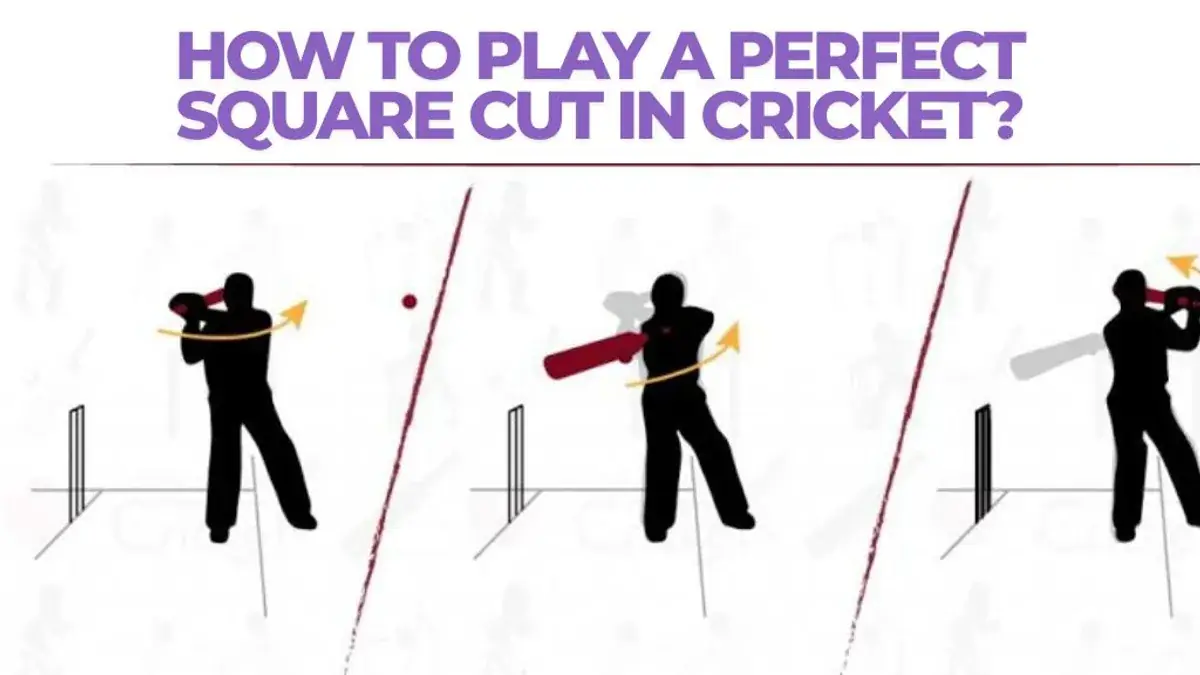
The Swing
| Phase | What to Focus On |
|---|---|
| Backswing | Bat comes up short and compact — no need for a big backlift |
| Contact point | Ball is beside or slightly behind your body, arms fully extended |
| Bat face at impact | Angled slightly downward to hit through the top of the ball |
| Follow-through | Bat sweeps across and down, finishing low on the leg side |
Everything hinges on the bat face at contact. Keep it angled down and the ball stays on the ground, through the gap. Open it up even slightly and you’ve hit a catching practice ball straight to point.
Head and Eyes
Watch the ball onto the bat and keep your eyes level. Your head will turn naturally as the ball goes through point, but it shouldn’t drop or swivel early — that’s how mistimed cuts happen.
Common Mistakes
- Cutting a full delivery — leads to a leading edge or getting bowled.
- Arms not fully extended — cramps the shot and produces a top edge.
- Open bat face — sends the ball up, straight to a fielder.
- Reaching for a ball too close to the body — no room to extend, ball goes off the edge.
- Moving too late — the ball beats the swing entirely.
Variations
- Late cut. Played later and finer, guided between gully and third man. Needs soft hands and precise timing.
- Upper cut. Deliberately hit with an open face over gully or third man to beat a fine third man gap — a T20 tool, high risk and high reward.
Drills to Build the Shot
- Get a throw-down partner to feed short, wide balls to a half-pitch. Focus only on the back-foot movement and full arm extension, nothing else.
- Set a bowling machine to short and wide and work through it slowly before building pace, once your head position and footwork start to feel automatic.
- Hang a ball from a string at waist height, slightly wide of off stump, and practise the swing and follow-through without needing a bowler at all.
Frequently asked questions
What delivery is the square cut played to?+
The square cut is played to a short-pitched delivery that is wide of off stump — typically a ball that bounces to around waist height and is angled away from the batter. Trying to cut a ball that is too close to the body or too full is a common dismissal trigger.
Where does the square cut go?+
When played correctly, the square cut travels square of the wicket on the off side — through the point or backward point region. A late version of the cut can go finer, toward third man.
Why do batters get out cutting the ball?+
The most common dismissal from a cut shot is a top edge when the ball is too close to the body or not short enough. Batters also get caught at point by playing at a wider ball without full extension of the arms.
Sources
Play & tools
Free browser games and tools — no account, no download.
- Play today's Sports Connections — Today's Sports Connections — daily hints, answers, and play the grid.
- Play Guess the NFL Player — A new mystery NFL player every day. Eight guesses, with a clue on each — plus free unlimited mode.
- Explore all our games →
Related cricket guides
View all →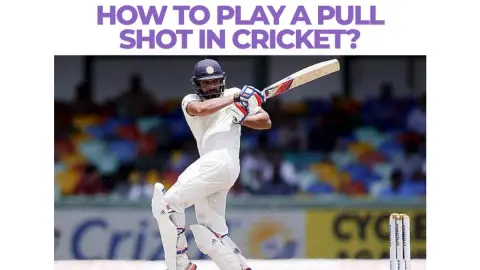
How to Play a Pull Shot in Cricket: Grip, Stance, and Timing
The pull shot is a back-foot attacking stroke to short deliveries at waist to chest height, hit square on the leg side. Here is how to play it correctly.
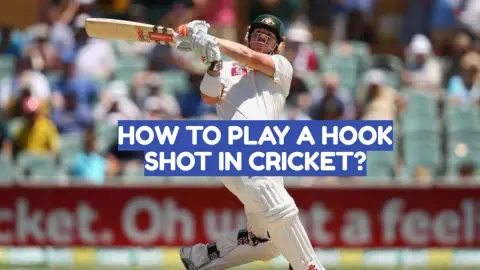
How to Play a Hook Shot in Cricket: Technique and Timing
The hook shot punishes short-pitched deliveries, hitting them fine behind square on the leg side. Learn the grip, footwork, and head position to play it.
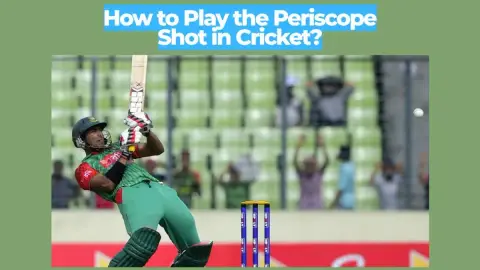
How to Play the Periscope Shot in Cricket
The periscope shot is a vertical-bat stroke to short balls at the body, holding the bat upright to deflect it over the leg-side fielders. Learn the method.
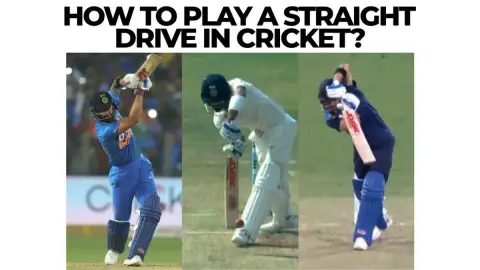
How to Play a Straight Drive in Cricket: Technique and Timing
The straight drive is cricket's classic front-foot shot, played to a full ball on off stump and hit past the bowler. Learn the stance, grip, and swing.
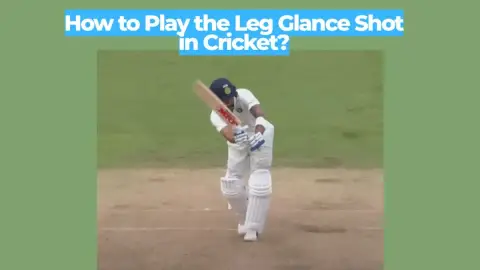
How to Play the Leg Glance Shot in Cricket
The leg glance redirects a ball angled into the body toward fine leg with a subtle deflection. One of cricket's most elegant, effective scoring shots.
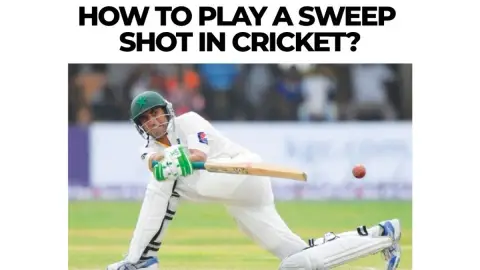
How to Play a Sweep Shot in Cricket: Complete Technique Guide
The sweep shot is a front-foot stroke to full-length spin, hitting the leg side with a horizontal bat. Learn the kneeling position, grip, and placement.