
How to Play the Leg Glance Shot in Cricket
On this page6
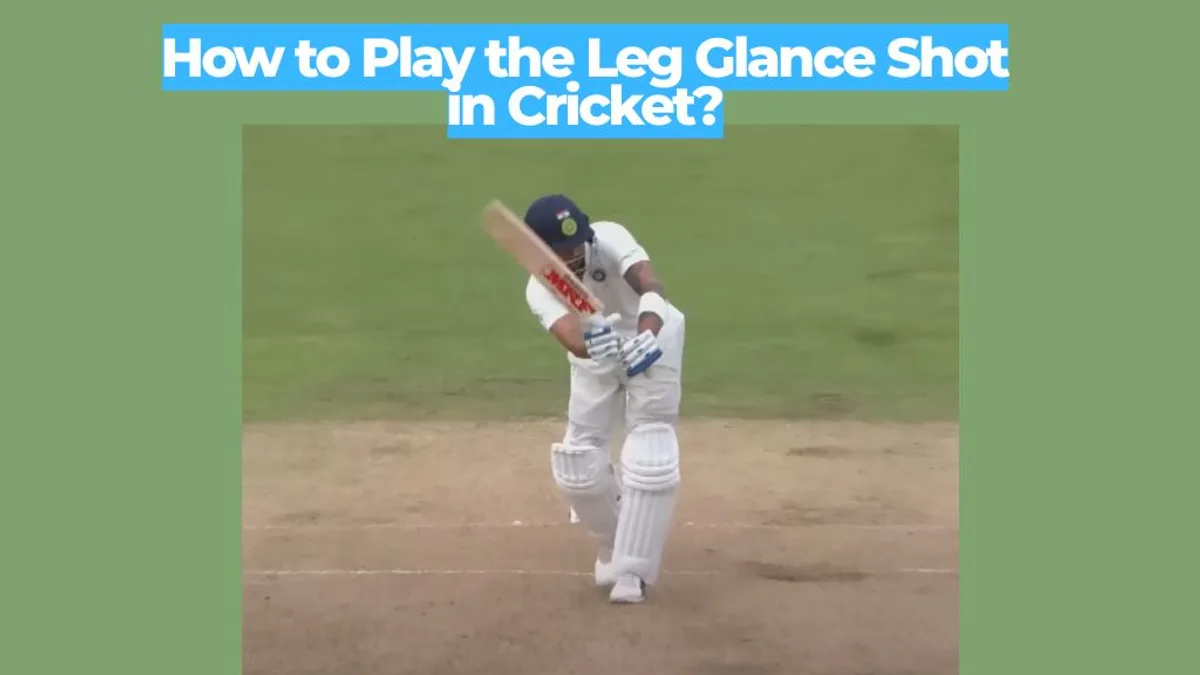
Old-fashioned as it looks next to a scoop or a ramp, the leg glance still gets a batter off strike against a ball they can’t drive or pull. Angle the bat face toward fine leg as the delivery arrives on or just outside leg stump, and deflect it rather than hit it. Soft hands, and weight moved onto the front or back foot depending on length, are what let a batter time it safely and pick up runs square or behind square on the leg side.
What Makes the Leg Glance Different
Most attacking shots drive through the line of the ball. The leg glance works against it, redirecting momentum rather than adding to it. Done well it looks effortless; timed badly, the same thin contact that sends the ball to the boundary can just as easily find the wicketkeeper’s gloves.
The shot goes back to the earliest days of Test cricket and still works well against seam bowlers targeting the body, or in-swingers drifting into the pads.
Footwork and Stance
Getting into position early matters more here than in almost any other shot.
- Front-foot leg glance, for a full-length delivery: step forward and across so the head moves toward the ball’s line, weight transferring onto the front foot, knee slightly bent.
- Back-foot leg glance, for a shorter ball angled into the body: rock back and across, creating room to glance the ball behind square leg or down to fine leg.
Either way, keep the head still and the eyes level.
Bat Angle and Hand Position
| Element | What to Do |
|---|---|
| Bat face | Open slightly, angled towards fine leg |
| Bottom hand | Relaxed grip, guides but doesn’t force |
| Top hand | Controls the angle; stays dominant through contact |
| Contact point | In front of the body, just outside off the pad |
| Follow-through | Low and controlled, pointing towards fine leg |
Resist flicking the wrists aggressively early in an innings. Softer hands mean more control.
Common Mistakes
Closing the face too early. Rolling the wrists before contact sends the ball to mid-on or the square-leg fielder instead of behind square.
Swinging hard. This is a deflection, not a flick. Hard hitting causes mistimed shots and edges to the keeper.
Poor weight transfer. Falling away toward the leg side takes the bat off line. Stay upright with the head over the ball.
Playing too late. Contact needs to happen in front of the body. Let the ball get alongside or past you and control drops off fast.
Drills to Develop the Shot
- Throw-down practice: have a partner throw full-length deliveries into the body. Focus only on bat angle, not power.
- Cone placement: put a cone at fine leg and practice angling the ball toward it deliberately.
- Tee work: set a batting tee at pad height and practice the angled bat face without any footwork.
- Shadow batting: repeat the footwork and bat path in front of a mirror until it’s automatic.
Reading the Bowler
The leg glance is safest when you’ve already picked the line early in the ball’s flight. Watch the seam position and wrist angle at release; an in-swinger aimed at middle stump is a prime candidate. Against spin, it works on a delivery that turns and stays on the leg side, but watch for the googly or anything that drifts further in, since that’s an easy way to miss the line entirely.
Frequently asked questions
What is a leg glance in cricket?+
A leg glance is a deflection shot played against a ball aimed at or just outside the leg stump. The batter uses soft, angled hands to guide the ball through fine leg rather than hitting it hard.
When should you play the leg glance?+
Play the leg glance when the ball is full or just short of a length and angled into your body on the leg side. It works best against both pace and medium-pace bowling when the ball is too close to pull or drive.
Is the leg glance a risky shot?+
Yes — mistiming the leg glance can result in an edge to the wicketkeeper or a catch at fine leg. Good bat-to-pad coordination and soft hands are essential to execute it safely.
Sources
Play & tools
Free browser games and tools — no account, no download.
- Play today's Sports Connections — Today's Sports Connections — daily hints, answers, and play the grid.
- Play Guess the NFL Player — A new mystery NFL player every day. Eight guesses, with a clue on each — plus free unlimited mode.
- Explore all our games →
Related cricket guides
View all →
How to Play a Hook Shot in Cricket: Technique and Timing
The hook shot punishes short-pitched deliveries, hitting them fine behind square on the leg side. Learn the grip, footwork, and head position to play it.
How to Play the Ramp Shot in Cricket: Technique Guide
The ramp shot deflects a full or back-of-length ball over the keeper toward fine leg or third man. Master the wrist angle and head position for T20.
How to Play the Uppercut in Cricket: Shot Guide
The uppercut is played to a short, wide ball outside off stump, cutting under it over third man for four or six. Timing and footwork are everything.
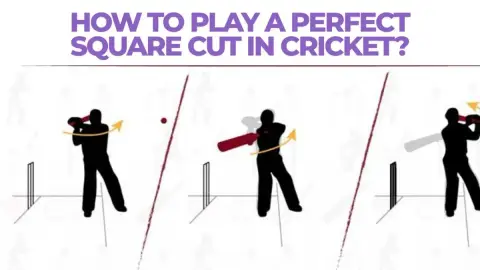
How to Play a Perfect Square Cut in Cricket: Step-by-Step
The square cut is played to a short, wide delivery outside off stump. Learn the grip, back-foot movement, and bat swing to send the ball through point.
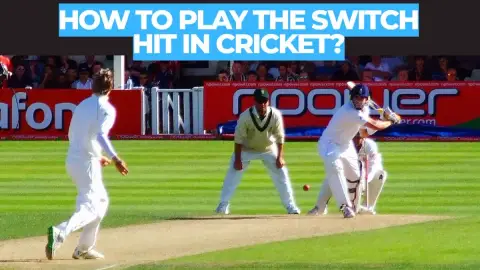
How to Play the Switch Hit in Cricket
The switch hit sees a batter reverse their stance mid-delivery to play as a mirror-image batsman. Learn to execute this bold shot safely and well.
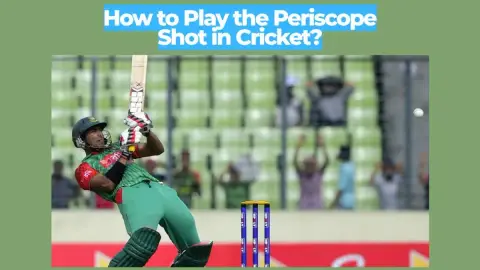
How to Play the Periscope Shot in Cricket
The periscope shot is a vertical-bat stroke to short balls at the body, holding the bat upright to deflect it over the leg-side fielders. Learn the method.