
How to Play the Uppercut in Cricket: Shot Guide
On this page6
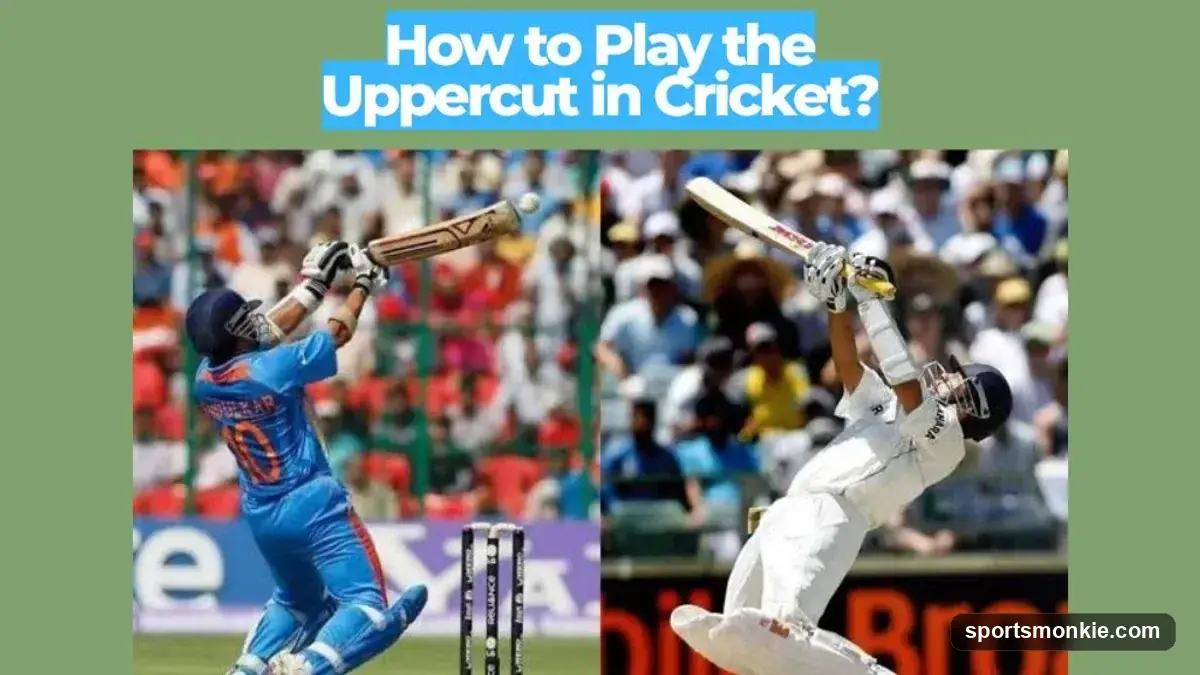
Drop one short and wide outside off stump and a good batter won’t just cut it, they’ll slice underneath it and send it sailing over slip, gully, or third man. That’s the uppercut: a bowler’s mistake turned into six runs instead of four.
What Separates the Uppercut from Other Back-Foot Shots
A traditional cut goes square or backward of square but stays fairly flat. The uppercut is built to clear the infield entirely, with a high, wide trajectory landing beyond third man or over backward point. That extra elevation makes mistimes costlier: get it wrong and the ball goes straight to a fielder at third man or into a diving slip’s hands instead of past them.
The Right Ball to Uppercut
Not every short, wide ball is an uppercut ball. The ideal delivery:
| Criterion | Ideal |
|---|---|
| Length | Short, bounces above hip height |
| Line | Wide of off stump, outside the tramline |
| Pace | Fast or medium-fast; the pace helps with elevation |
| Height | At or above chest height at the point of contact |
If the ball is only slightly short or at shoulder height rather than above it, the conventional cut is safer and more productive.
Step-by-Step Technique
1. Read the length immediately. As the bowler releases, identify short and wide right away. There’s very little time, so the trigger movement has to be quick.
2. Move back and across. Rock onto the back foot and move toward off stump, which positions you under the ball and gives the bat room to swing upward.
3. Open the face and angle up. Rather than presenting flat as in a cut, open the bat face so it angles upward at roughly 30 to 45 degrees, scooping underneath the ball.
4. Contact in front and to the side. Meet the ball in front of the body and to the right of the head for a right-hander. Reaching for it, or letting it get too close, cramps the shot.
5. Drive upward through the ball. Unlike the ramp, this shot does need some of your own power. Drive the bat through with the top hand guiding direction.
6. Follow through high. The bat should finish well above the head, pointing toward third man.
Common Errors
- Playing too close to the body, which cramps the swing and sends the ball to slip instead of over it.
- Playing at chest height or below, which changes the geometry and sends a flat bat straight to ground fielders.
- A hard bottom hand, which rolls the face closed and produces a top-edge catch instead of a clean connection.
- Committing to the upward swing before seeing the ball’s final height, which leads to a miss or an inside edge.
Situational Awareness
The uppercut is high risk with a fielder already stationed at third man for exactly this shot; plenty of captains put one there on purpose. Check the field before playing it.
- No third man in place: the uppercut is excellent value.
- Third man in the ring: aim squarer, toward gully height.
- Fine leg also in: reconsider. A conventional cut or back-foot punch is probably the better option.
Drills
- Short-pitch throw-downs wide of off: work on back-foot positioning and the upward bat arc in isolation before adding power.
- Cone target at the third man boundary: aim to land the ball at or beyond it during net sessions.
- Video review: check your own footage for head position and whether the bat face opens before or at contact.
Frequently asked questions
What is the uppercut in cricket?+
The uppercut is an attacking shot against a short, wide ball outside off stump. The batter gets under the ball with a rising bat and slices it over slip, gully, or third man for a boundary.
How is the uppercut different from the cut shot?+
The cut shot is played squarer and keeps the ball along the ground or at catchable height. The uppercut targets the same short-wide delivery but angles the bat underneath the ball to send it sailing over the infield.
Against which bowlers is the uppercut most effective?+
The uppercut works best against fast bowlers who bowl short and wide outside off stump. The pace of the delivery does much of the work sending the ball over third man. Against slower bowlers, you need to generate your own elevation.
Sources
Play & tools
Free browser games and tools — no account, no download.
- Play today's Sports Connections — Today's Sports Connections — daily hints, answers, and play the grid.
- Play Guess the NFL Player — A new mystery NFL player every day. Eight guesses, with a clue on each — plus free unlimited mode.
- Explore all our games →
Related cricket guides
View all →
How to Play the Leg Glance Shot in Cricket
The leg glance redirects a ball angled into the body toward fine leg with a subtle deflection. One of cricket's most elegant, effective scoring shots.
How to Play the Ramp Shot in Cricket: Technique Guide
The ramp shot deflects a full or back-of-length ball over the keeper toward fine leg or third man. Master the wrist angle and head position for T20.
How to Play the Periscope Shot in Cricket
The periscope shot is a vertical-bat stroke to short balls at the body, holding the bat upright to deflect it over the leg-side fielders. Learn the method.
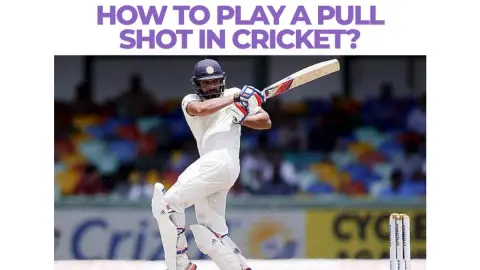
How to Play a Pull Shot in Cricket: Grip, Stance, and Timing
The pull shot is a back-foot attacking stroke to short deliveries at waist to chest height, hit square on the leg side. Here is how to play it correctly.
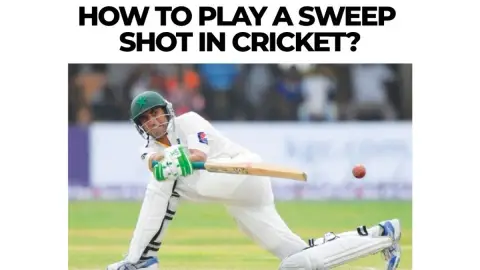
How to Play a Sweep Shot in Cricket: Complete Technique Guide
The sweep shot is a front-foot stroke to full-length spin, hitting the leg side with a horizontal bat. Learn the kneeling position, grip, and placement.
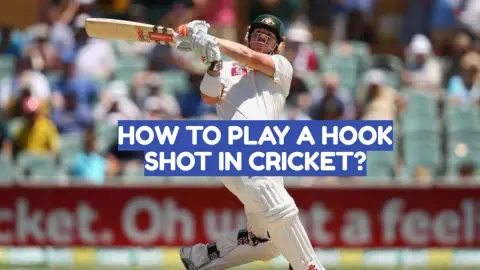
How to Play a Hook Shot in Cricket: Technique and Timing
The hook shot punishes short-pitched deliveries, hitting them fine behind square on the leg side. Learn the grip, footwork, and head position to play it.