
How to Play a Pull Shot in Cricket: Grip, Stance, and Timing
On this page7
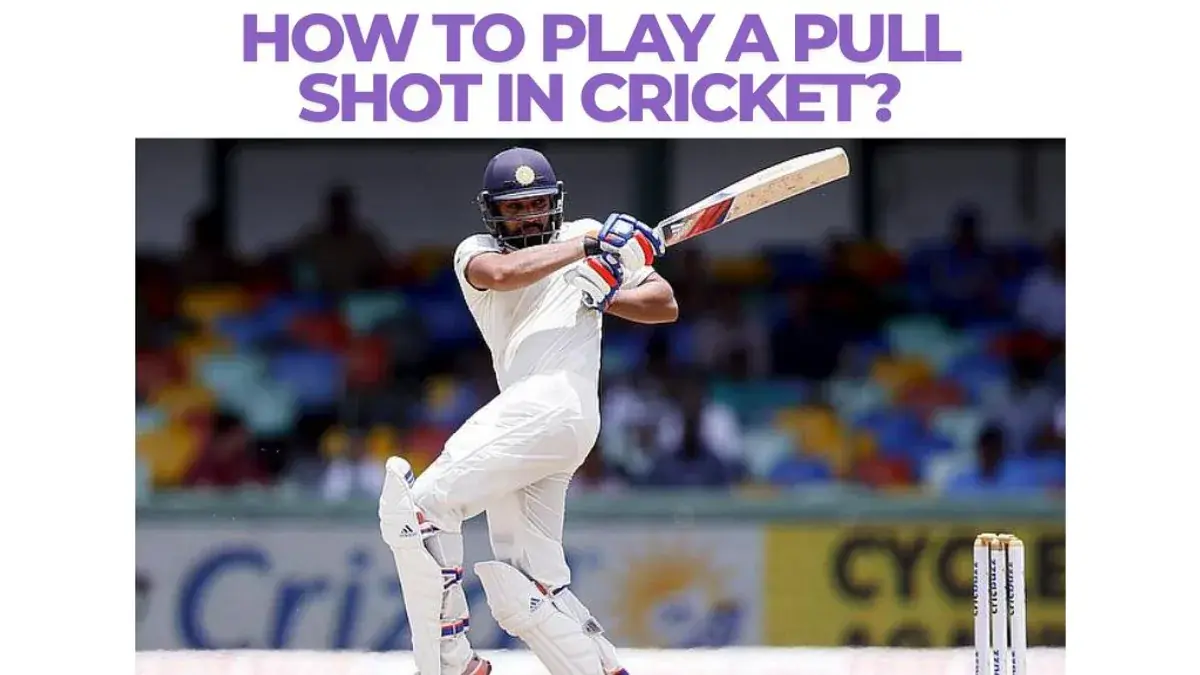
Viv Richards barely moved his feet and still pulled fast bowlers from outside off to the square-leg boundary, purely off timing and hip rotation. That’s the shot at its purest: a short ball aimed at the stumps, met with a swivel and a horizontal swing, sent to the leg side before the bowler’s even turned around. Get the length and height wrong, though, and it’s the fastest way to lose your off stump or edge one straight to the keeper.
When to Pull
Pull when the ball:
- Pitches short of a good length (at least halfway down the pitch).
- Rises to around waist or chest height by the time it reaches you.
- Is aimed at the stumps or just outside leg — giving you room to swing through.
Anything above chest height calls for a hook instead. Anything too wide of off stump is a cut. Reading length and height early matters more than anything else here.
Grip
Your normal batting grip works. Through impact, the bottom hand (right hand for a right-hander) does most of the work — feel it driving through the ball. Firm grip, not a tense one.
Back Foot Movement
- Back and across. Push your back foot toward the crease and slightly toward off stump. This puts you at a comfortable height to meet the ball and gets your head inside its line.
- Weight on the back foot, front foot light, so your hips can swivel freely.
- Stay side-on briefly, then open your body aggressively through the shot.
The Swing and Contact
| Element | Detail |
|---|---|
| Bat path | Horizontal — swinging across from off side to leg side |
| Contact height | Waist to chest — do not attempt the pull on balls below the knee |
| Bat face at impact | Slightly closed (angled downward) to keep the ball along the ground |
| Head position | Inside the line, eyes level and locked on the ball |
| Follow-through | Bat finishes across the body, hands travelling down and around |
The power comes from the hip swivel, not the arms. Your hips should rotate fully enough that your chest faces the leg-side boundary by the time the ball leaves the bat, closer to a baseball swing than a golf one.
Placement Options
- Midwicket. When the ball’s a touch fuller or you’re slightly early — the ball goes more in front of square.
- Square leg. Well-timed, square of the wicket.
- Fine leg. Late contact or a ball that skids through low, travelling backward of square.
T20 batters often aim deliberately for midwicket or long-on to clear the rope. In Tests, the priority is usually finding the gap and keeping the ball down.
Avoiding Top Edges
The top edge is the shot’s main risk. It happens when:
- The ball rises higher than expected and catches the top edge of a bat face angled upward.
- The head falls away from the line, opening the face.
- The batter is early and gets under the ball.
Keep your head inside the line, watch the ball closely as it rises off the pitch, and aim to hit through the top half of the ball rather than underneath it.
Practice Drill
Have a throw-down partner deliver short balls at varying heights, some at thigh height, some at chest height, some higher. Work on telling pull balls apart from hook balls and leave-alone deliveries. Focus on the back-and-across movement rather than muscling the shot; power shows up on its own once the weight transfer and swivel are synced.
Frequently asked questions
What is the difference between a pull shot and a hook shot?+
The pull is played to a ball rising to roughly waist or chest height and is hit in front of or square of the wicket. The hook is played to a higher, rising delivery — often a bouncer at head height — and is hit behind square on the leg side.
How do I avoid getting a top edge on the pull shot?+
The top edge usually happens when the ball is higher than expected or the bat face opens up through the swing. Keep your eyes on the ball all the way to impact, try to hit through the top of the ball with a slightly downward bat face, and avoid reaching for deliveries that are rising above chest height — those should be hooked or left.
Can left-handed batters play the pull shot the same way?+
Yes, the mechanics are mirrored. A left-handed batter plays the pull shot to short deliveries aimed at the stumps or just outside leg, hitting the ball to the leg side (which is the off side of the pitch).
Sources
Play & tools
Free browser games and tools — no account, no download.
- Play today's Sports Connections — Today's Sports Connections — daily hints, answers, and play the grid.
- Play Guess the NFL Player — A new mystery NFL player every day. Eight guesses, with a clue on each — plus free unlimited mode.
- Explore all our games →
Related cricket guides
View all →
How to Play a Hook Shot in Cricket: Technique and Timing
The hook shot punishes short-pitched deliveries, hitting them fine behind square on the leg side. Learn the grip, footwork, and head position to play it.
How to Play a Perfect Square Cut in Cricket: Step-by-Step
The square cut is played to a short, wide delivery outside off stump. Learn the grip, back-foot movement, and bat swing to send the ball through point.
How to Play the Periscope Shot in Cricket
The periscope shot is a vertical-bat stroke to short balls at the body, holding the bat upright to deflect it over the leg-side fielders. Learn the method.
How to Play a Straight Drive in Cricket: Technique and Timing
The straight drive is cricket's classic front-foot shot, played to a full ball on off stump and hit past the bowler. Learn the stance, grip, and swing.
How to Play a Sweep Shot in Cricket: Complete Technique Guide
The sweep shot is a front-foot stroke to full-length spin, hitting the leg side with a horizontal bat. Learn the kneeling position, grip, and placement.
How to Play the Ramp Shot in Cricket: Technique Guide
The ramp shot deflects a full or back-of-length ball over the keeper toward fine leg or third man. Master the wrist angle and head position for T20.