
Center Position in Basketball: Role, Skills & Famous Centers
On this page6
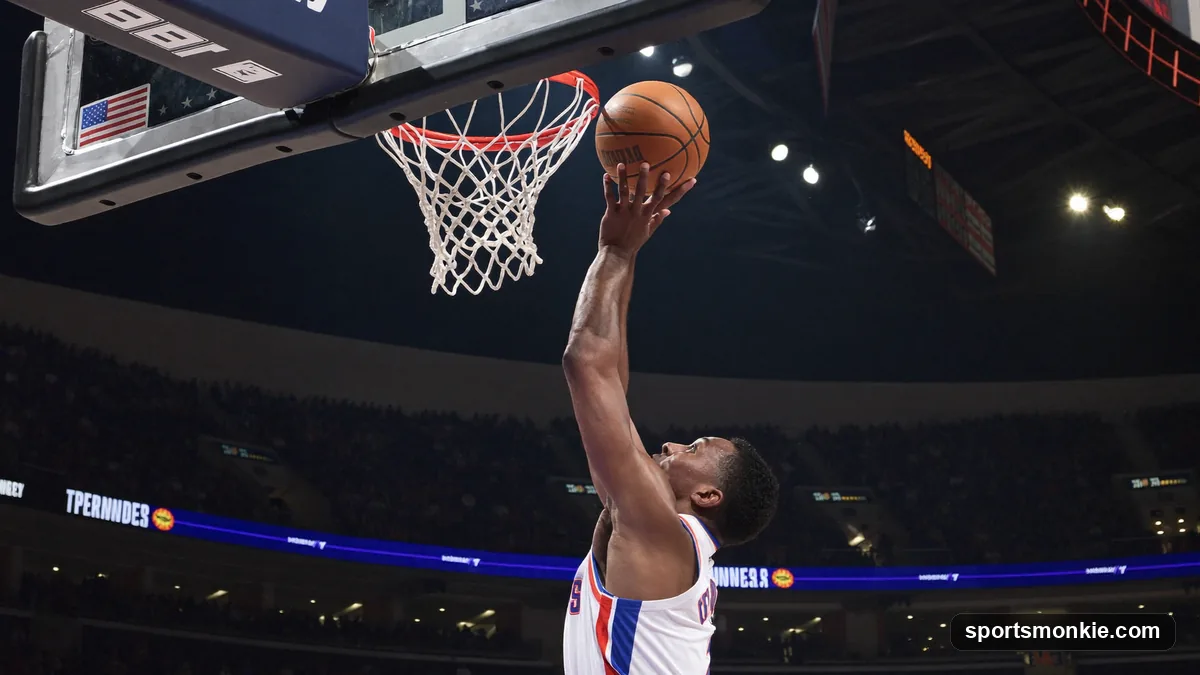
The center position in basketball is the interior anchor role, typically filled by the tallest player on the team, responsible for protecting the rim, rebounding, setting screens, and finishing close to the basket. Wearing jersey number “5” in traditional position numbering, the center plays nearest the hoop on both ends of the floor and is often the single biggest swing factor in a team’s rebounding margin and defensive field-goal percentage at the rim.
Where the center plays and why size matters
The center lines up closest to the basket, in the low post on offense and directly in front of or beside the rim on defense. That positioning is deliberate: proximity to the hoop lets a center finish easy shots, grab missed shots before smaller players can reach them, and contest or block shots that get past the perimeter defense.
Height and wingspan are the traditional prerequisites. NBA centers commonly stand 6-foot-9 to 7-foot-2, and a longer wingspan extends a player’s effective reach for rebounds and blocks well beyond that listed height. Shorter, undersized centers can still thrive, but they typically compensate with exceptional timing, lower-body strength, and positioning, the way Dennis Rodman built an elite rebounding career despite being shorter than most centers he guarded.
For a full breakdown of how the center fits alongside the other four spots on the floor, see our guide to basketball positions explained.
Core responsibilities of a center
A center’s job splits across four main areas, and the best centers handle all four rather than specializing in just one.
- Rim protection — contesting and blocking shots at the basket, and simply making opponents alter shots by standing in the paint.
- Rebounding — securing defensive rebounds to end opponent possessions and offensive rebounds to extend the team’s own possessions.
- Screening — setting picks that free a ball handler or shooter, then rolling or popping to create a scoring chance.
- Interior finishing — converting close-range shots, putbacks, and lobs at a high percentage, since centers usually take the highest-efficiency shots on the floor.
Beyond those four, communication matters more than fans often realize. A center orchestrating defensive rotations from the paint, calling out screens and switches, often does as much for a defense as the blocks themselves.
Skills that separate good centers from great ones
Size gets a player noticed; skill keeps him on the floor. The traits that separate a serviceable center from an elite one include:
- Footwork — pivots, drop steps, and seals that create clean post position and finishing angles.
- Timing — knowing when to leave the ground for a block or rebound rather than just being tall.
- Hands and touch — catching passes cleanly in traffic and finishing with either hand around the rim.
- Strength and core stability — holding position against bigger, stronger post players without fouling.
- Court vision — reading double-teams and finding cutters, a skill that separates today’s best passing centers from earlier generations.
Famous centers who defined the position
The center position has produced some of basketball’s most dominant individual players. Wilt Chamberlain and Bill Russell defined the earliest era of NBA big-man dominance, with Chamberlain’s scoring and rebounding records still unmatched decades later and Russell’s defensive anchoring powering 11 championships in 13 seasons with the Boston Celtics. Kareem Abdul-Jabbar’s skyhook made him the NBA’s career scoring leader for nearly 40 years.
The 1990s and 2000s brought a new wave: Hakeem Olajuwon’s footwork, David Robinson’s all-around game, Patrick Ewing’s mid-range touch, and Shaquille O’Neal’s overwhelming size and power. On the women’s side, Lisa Leslie, Sylvia Fowles, and Brittney Griner have carried the same rim-protecting, rebounding template in the WNBA.
Today’s centers look different again. Nikola Jokić and Joel Embiid have both won MVP awards while operating as primary offensive hubs, passing from the elbow and high post the way point guards once did. Rudy Gobert remains the sport’s premier pure rim protector, and Victor Wembanyama’s combination of 7-foot-4 height with perimeter shooting and shot-blocking is redefining what teams expect a modern center to do.
Traditional center vs. modern center: how the role has changed
| Trait | Traditional center | Modern center |
|---|---|---|
| Primary scoring | Back-to-the-basket post moves | Rim finishing, mid-range, and increasingly three-point shooting |
| Shot range | Almost exclusively inside the paint | Paint plus stretch-five perimeter range |
| Playmaking | Limited, mostly kick-outs from double-teams | Full passing hub, especially “point centers” like Jokić |
| Defensive scheme | Drop coverage, anchor near the rim | Drop, switch, or blitz depending on matchup |
| Athletic profile | Bulk and strength emphasized | Mobility and agility emphasized alongside size |
This evolution mirrors changes across the frontcourt broadly; the power forward position has undergone a similar shift toward perimeter skill over the past two decades.
How the center fits with the rest of the lineup
No position operates in isolation. A center’s rim protection lets guards pressure the ball more aggressively out front, and a center’s screening sets up the actions that free shooters and drivers. Understanding the point guard position helps clarify how a team’s primary ball handler and its center have to coordinate on pick-and-rolls, the league’s most common offensive action.
At the recreational and youth level, a good center still starts with the same fundamentals the pros rely on: claim rebounding position early, protect the rim with verticality instead of fouling, and finish shots with both hands. The scoring and shot-blocking numbers get more sophisticated at higher levels, but the job description barely changes.
Frequently asked questions about the center position
The center remains basketball’s most physically demanding position to play and, increasingly, one of its most skill-demanding too. Whether it’s Bill Russell blocking shots in the 1960s or Nikola Jokić orchestrating an offense from the high post today, the center’s core job, controlling the area around the basket, has stayed constant even as the tools for doing it have expanded. For the bigger picture on how all five spots work together, revisit our overview of basketball positions explained or browse more NBA and WNBA coverage.
Frequently asked questions
What is the center position in basketball?+
The center, or the '5,' is the interior anchor of a basketball team, usually the tallest player on the roster. Centers play closest to the basket, where their job is to protect the rim on defense, rebound on both ends, set screens, and finish high-percentage shots close to the hoop.
What does a center do on defense?+
A center's core defensive job is rim protection: contesting and blocking shots at the basket, discouraging drives through the lane, and boxing out for defensive rebounds. Elite defensive centers like Rudy Gobert or, historically, Bill Russell and Hakeem Olajuwon, change an opponent's shot selection just by standing in the paint.
What does a center do on offense?+
Offensively, centers set screens to free ball handlers, roll or pop after the screen, finish lobs and putbacks near the rim, and crash the offensive glass. Modern centers add elbow and short-roll passing, and a growing number, like Nikola Jokić and Joel Embiid, also shoot from mid-range or three-point range.
How tall is the average NBA center?+
NBA centers typically stand between 6-foot-9 and 7-foot-2. Height alone doesn't make a good center, though; wingspan, timing, footwork, and lower-body strength matter just as much as raw height for rebounding and rim protection.
Who are some famous NBA centers?+
Historic greats include Wilt Chamberlain, Bill Russell, Kareem Abdul-Jabbar, Hakeem Olajuwon, David Robinson, and Shaquille O'Neal. Current stars who play or primarily play center include Nikola Jokić, Joel Embiid, Rudy Gobert, Anthony Davis, and Victor Wembanyama.
What is a stretch five or point center?+
A stretch five is a center who can shoot from mid-range or three-point range, pulling a shot-blocking big man away from the basket to open driving lanes. A point center, popularized by Nikola Jokić, is a center who initiates offense as a primary passer, often from the elbow or high post.
How is a center different from a power forward?+
Centers usually play the closest to the basket and carry the primary rim-protection and rebounding load, while power forwards operate a step further out, mixing post play with more perimeter shooting and mobility. Our guide to the [power forward position](/what-is-a-power-forward-in-basketball/) breaks down that role in detail.
Do WNBA centers play the same role?+
Yes. WNBA centers like Brittney Griner and Sylvia Fowles have filled the same core duties, rim protection, rebounding, and interior scoring, that define the position in the NBA, with the same recent shift toward more passing and perimeter shooting among modern bigs.
Sources
Play & tools
Free browser games and tools — no account, no download.
- Play 82-0 — Draft five, one per position, and see if your lineup can go a flawless NBA season.
- Play Era Ball — Draft an all-time NBA roster from a single era, then simulate a season and chase a perfect run.
- Play 32-0 — Draft five college basketball legends, one per position, and chase a perfect 32-0 national title.
- Explore all our games →
- Get the printable bracket — Download and print a blank tournament bracket to fill out by hand.
- Open the TS% calculator — Calculate TS% from points, field goal attempts and free throw attempts — scoring efficiency in one number.
- Explore all our free sports tools →
Related basketball guides
View all →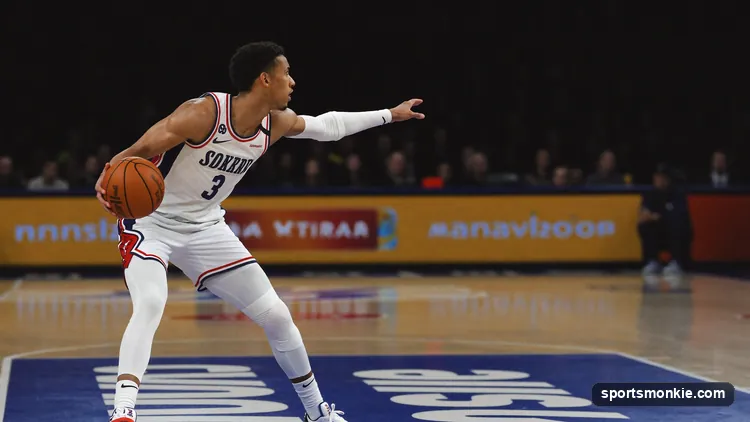
What Is a Point Guard in Basketball? Role, Skills & Famous PGs
A point guard is basketball's floor general — the primary ball-handler who runs the offense. Learn the role, key skills, and famous PGs.
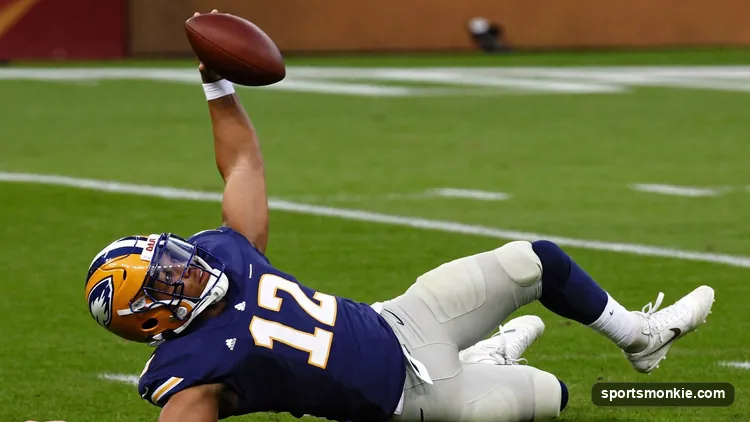
Tight End Position in Football Explained: Role, Skills, and Famous TEs
The tight end position in football is a hybrid blocker-receiver lined up beside the tackle. Learn its rules, responsibilities, skills, and top examples.
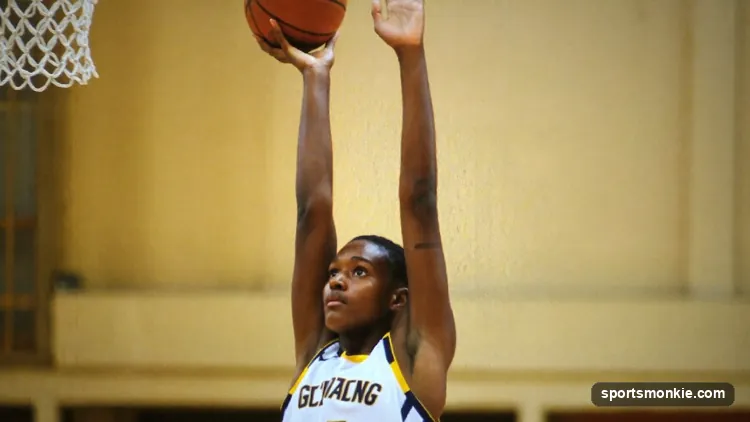
What Is a Shooting Guard in Basketball? Role, Skills & Examples
A shooting guard is basketball's primary perimeter scorer — the '2' who shoots off the catch and dribble, hits threes, and guards the wing.
What Is a Small Forward in Basketball? Role, Skills & Best Players
A small forward is basketball's most versatile position (the '3'), scoring inside and out, defending multiple spots, and rebounding on the wing.
Quarterback Position in Football: Role, Skills, and Responsibilities Explained
The quarterback position leads the offense, calling plays, taking the snap, and throwing or handing off the ball. Learn the QB's full job in football.
Running Back Position in Football: Role, Skills & Types Explained
The running back position carries the ball, catches passes, and pass-blocks. Learn the halfback vs. fullback split, key skills, and top RB examples.