
What Is a Point Guard in Basketball? Role, Skills & Famous PGs
On this page7
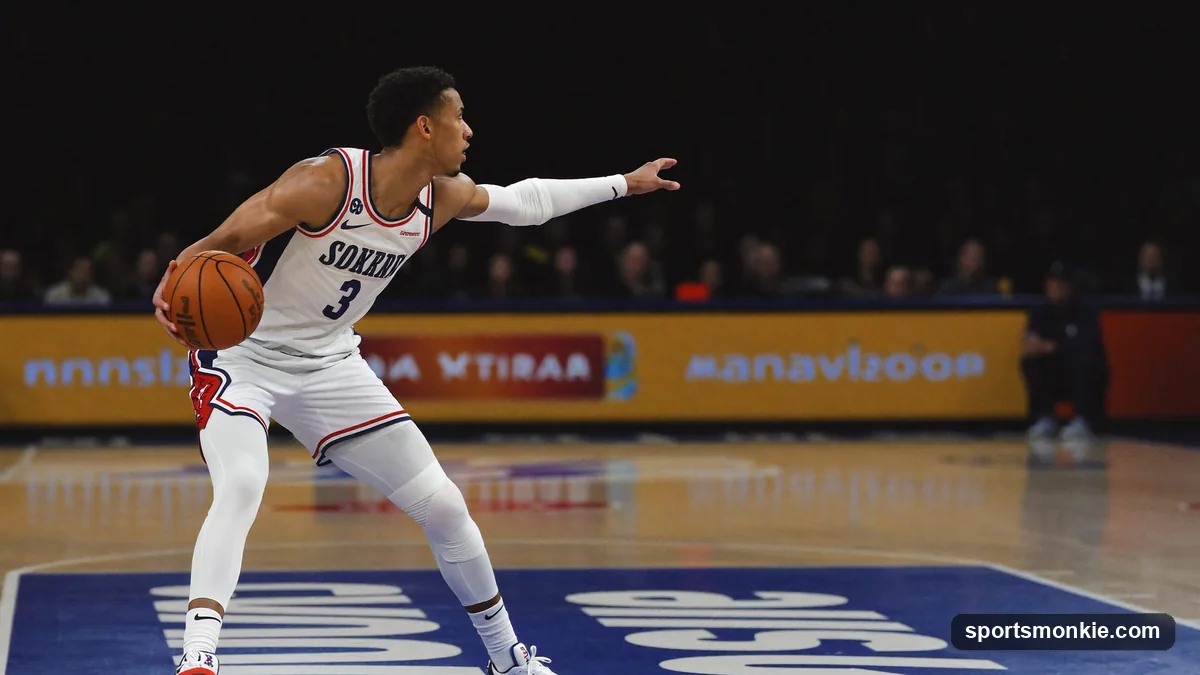
A point guard is basketball’s floor general — the “1” on the court who primarily handles the ball, runs the offense, and sets up teammates. Point guards bring the ball past half-court, initiate plays, control tempo, and are judged as much by their assists and decision-making as by their scoring. On defense, they usually match up against the opposing team’s point guard, using quickness to pressure the ball. If you want the full breakdown of every spot on the floor, see our guide to basketball positions explained.
What Does a Point Guard Do on the Court?
The point guard is the extension of the coach on the floor. Every possession typically starts with the point guard bringing the ball up against defensive pressure, then reading the defense to decide whether to push in transition, run a called set, or reset into the half-court offense. Because the point guard touches the ball more than anyone else, their decision-making shapes the entire possession — who shoots, when, and from where. Coaches routinely describe the position using football language, calling the point guard the team’s “quarterback,” since both roles are about seeing the whole field (or floor) and getting the ball to the right teammate at the right time.
This organizing responsibility is why the point guard wears the “1” in the classic 1-through-5 numbering system used across basketball. For a full breakdown of how each number maps to a role, check our guide to basketball positions by number.
Point Guard Responsibilities on Offense
On offense, the point guard’s job goes well beyond dribbling. Core responsibilities include:
- Initiating plays — calling or signaling the offensive set the team runs
- Controlling tempo — deciding when to push the pace in transition versus slow the game down
- Distributing the ball — finding open teammates through passing, especially in pick-and-roll and dribble-drive actions
- Protecting possessions — handling ball pressure and traps without turning the ball over
- Creating advantages — using dribble penetration to collapse the defense and open up kick-out passes
Assists and assist-to-turnover ratio are the statistics most closely tied to point guard performance, because a point guard’s value is measured by how well they make everyone else better, not just by their own scoring.
Point Guard Responsibilities on Defense
Defensively, point guards are typically tasked with guarding the opposing team’s primary ball-handler — often the other team’s point guard. That assignment demands quick lateral footwork to stay in front of quicker, shiftier players, active hands to contest passes and force turnovers, and the stamina to fight through screens for 30-plus minutes a night. Because point guards are frequently smaller than other positions, they rely on quickness and anticipation rather than size to disrupt opposing offenses, often gambling for steals that fuel their own team’s transition offense.
Key Skills Every Point Guard Needs
Great point guards share a common skill set, regardless of era or team system:
- Ball-handling — tight, controlled dribbling that survives pressure and double-teams
- Passing and court vision — the ability to see openings before they fully develop and deliver accurate passes on time
- Decision-making — knowing in real time whether to pass, drive, or shoot
- Leadership and communication — directing teammates into position and setting the tone
- Basketball IQ — understanding schemes, matchups, and how to exploit a defense’s weak points
- Quickness on defense — staying in front of the ball and pressuring the opposing point guard
These traits separate the point guard from the other backcourt spot. For how the position compares to the player next to them, see our guide to what a shooting guard is in basketball.
Point Guard vs. the Other Positions
| Position | Number | Primary Role | Key Traits |
|---|---|---|---|
| Point Guard (PG) | 1 | Run the offense, distribute the ball | Ball-handling, passing, court vision |
| Shooting Guard (SG) | 2 | Score off the ball and off the dribble | Shooting, scoring instincts |
| Small Forward (SF) | 3 | Versatile scoring and defense on the wing | Athleticism, two-way versatility |
| Power Forward (PF) | 4 | Rebound, score inside and midrange | Strength, interior scoring |
| Center (C) | 5 | Anchor the paint on both ends | Size, rim protection, rebounding |
Modern lineups blur these roles constantly, but the point guard remains the position most defined by playmaking rather than size or scoring volume. Our full breakdown of NBA and WNBA basketball covers how these roles play out across both leagues.
Famous Point Guards in NBA and WNBA History
The position has produced some of basketball’s most influential players. Magic Johnson redefined the “point forward” idea with his size and vision in the 1980s Lakers dynasty. John Stockton set the NBA’s all-time assists record running Utah’s pick-and-roll offense with precision. Steve Nash won back-to-back MVPs orchestrating Phoenix’s up-tempo “Seven Seconds or Less” offense. Chris Paul built a Hall of Fame case on pick-and-roll mastery and elite decision-making. And Stephen Curry, while best known for revolutionizing three-point shooting, is also considered one of the greatest point guards ever, combining passing and playmaking with historic scoring gravity.
In the WNBA, point guards like Sue Bird, one of the league’s all-time assist leaders, and current stars such as Courtney Vandersloot have shown the same blend of vision, tempo control, and leadership that defines the position at every level of the game.
The Modern Point Guard: Scoring and Combo Guards
Basketball’s point guard has evolved. The traditional “pass-first” floor general still exists, but many of today’s best point guards are also elite scorers. Players like Stephen Curry, Damian Lillard, and Trae Young routinely lead their teams in scoring while still handling primary playmaking duties. This has given rise to the “combo guard” label — players who can initiate offense like a traditional point guard but also carry a scoring load typically associated with a shooting guard. The rise of three-point shooting and small-ball lineups has made this dual-threat point guard the most valuable archetype in the modern NBA, even as classic pass-first facilitators remain essential to teams built around ball movement.
Whether pass-first or scoring-first, every point guard shares the same core job: control the offense, take care of the ball, and put teammates in position to succeed.
Frequently asked questions
What is a point guard in basketball?+
A point guard is the player who primarily brings the ball up the court, calls plays, and directs the offense. Numbered the '1' position, the point guard is often called the team's floor general because they read the defense and decide when to pass, drive, or shoot on nearly every possession.
What is the main job of a point guard?+
The point guard's main job is to run the offense: initiate plays, control tempo, and get teammates into scoring position through passing and ball movement. Assists and low turnovers matter more for a point guard than for almost any other position.
What skills does a point guard need?+
The core skills are ball-handling (dribbling under pressure), passing and court vision, decision-making, leadership and communication, and quickness on defense to pressure the opposing ball-handler. Shooting has become increasingly important for modern point guards too.
Who are the best point guards in NBA history?+
Magic Johnson, John Stockton, Steve Nash, Chris Paul, and Stephen Curry are commonly ranked among the greatest point guards ever, spanning eras from pass-first floor generals to scoring-first combo guards.
What is the difference between a point guard and a shooting guard?+
A point guard (the '1') primarily handles the ball and distributes it, while a shooting guard (the '2') is typically a stronger scorer who plays more off the ball. In practice many modern backcourts share ball-handling duties.
Is a point guard the shortest player on the team?+
Usually, yes — point guards are traditionally the shortest players on a roster because the position prioritizes quickness, ball-handling, and court vision over size. Heights commonly range from about 5'9" to 6'4", though some modern point guards are taller.
What is a combo guard?+
A combo guard is a player who blends point guard playmaking with shooting guard scoring, capable of running the offense or playing off the ball depending on the lineup. Stephen Curry is the prototype of this modern, scoring point guard.
Can a point guard be a team's best scorer?+
Yes. While point guards were historically pass-first facilitators, today many, like Stephen Curry, Damian Lillard, and Trae Young, are also their team's leading scorer while still running the offense.
Sources
Play & tools
Free browser games and tools — no account, no download.
- Play 82-0 — Draft five, one per position, and see if your lineup can go a flawless NBA season.
- Play Era Ball — Draft an all-time NBA roster from a single era, then simulate a season and chase a perfect run.
- Play 32-0 — Draft five college basketball legends, one per position, and chase a perfect 32-0 national title.
- Explore all our games →
- Get the printable bracket — Download and print a blank tournament bracket to fill out by hand.
- Open the TS% calculator — Calculate TS% from points, field goal attempts and free throw attempts — scoring efficiency in one number.
- Explore all our free sports tools →
Related basketball guides
View all →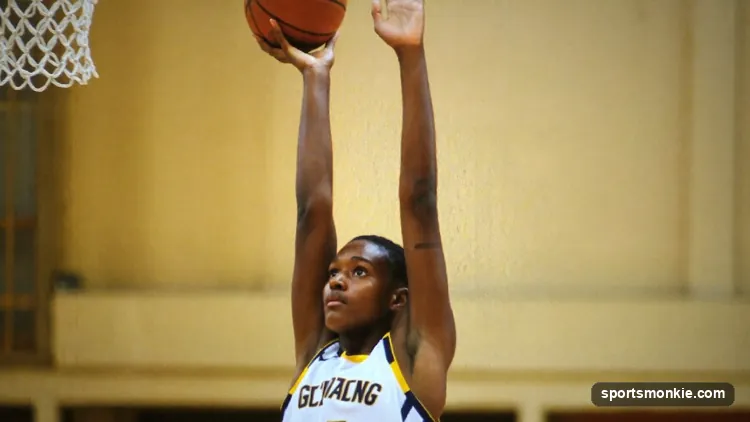
What Is a Shooting Guard in Basketball? Role, Skills & Examples
A shooting guard is basketball's primary perimeter scorer — the '2' who shoots off the catch and dribble, hits threes, and guards the wing.
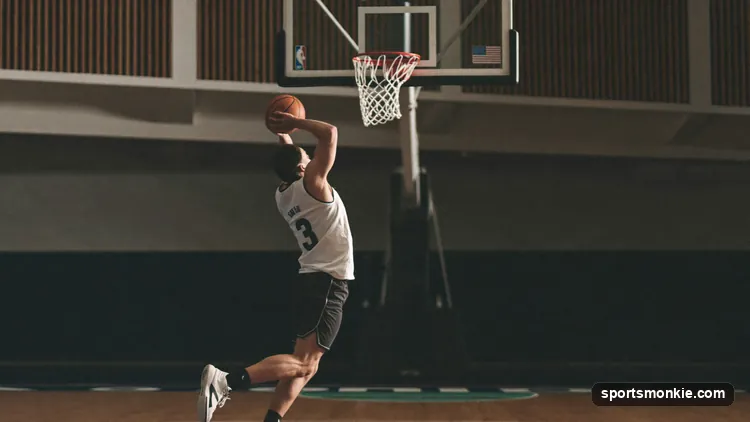
What Is a Small Forward in Basketball? Role, Skills & Best Players
A small forward is basketball's most versatile position (the '3'), scoring inside and out, defending multiple spots, and rebounding on the wing.
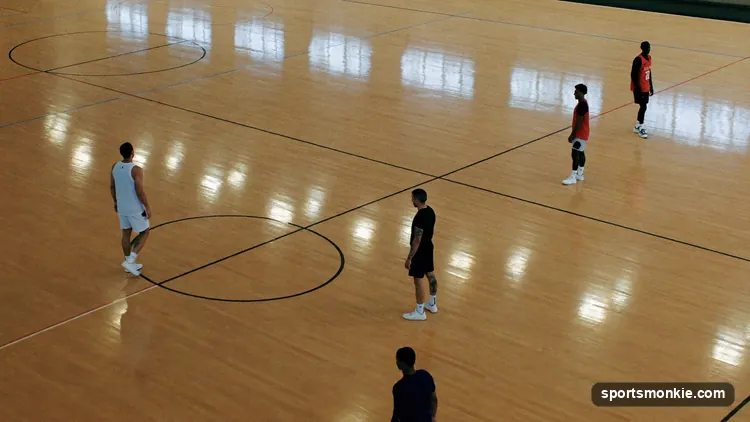
Basketball Positions Explained: All 5 Roles, Numbers & Duties
Basketball positions explained: point guard, shooting guard, small forward, power forward, and center — roles, the 1-5 numbering, and positionless basketball.
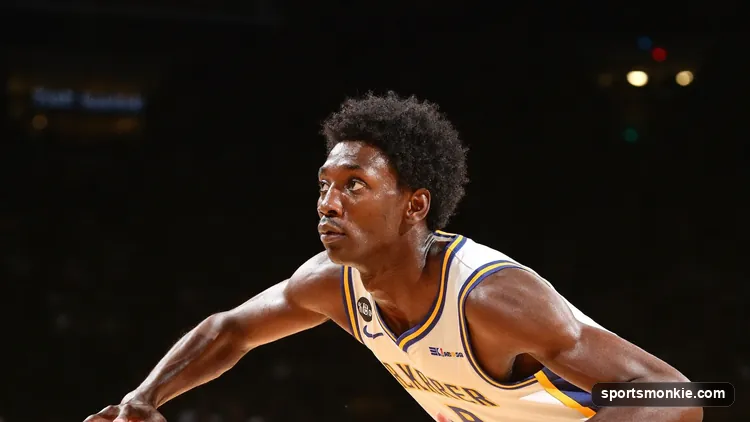
What Is a Power Forward in Basketball? The 4 Position Explained
A power forward (the '4') is basketball's versatile big man — rebounding, defending, scoring in the post, and increasingly shooting threes.
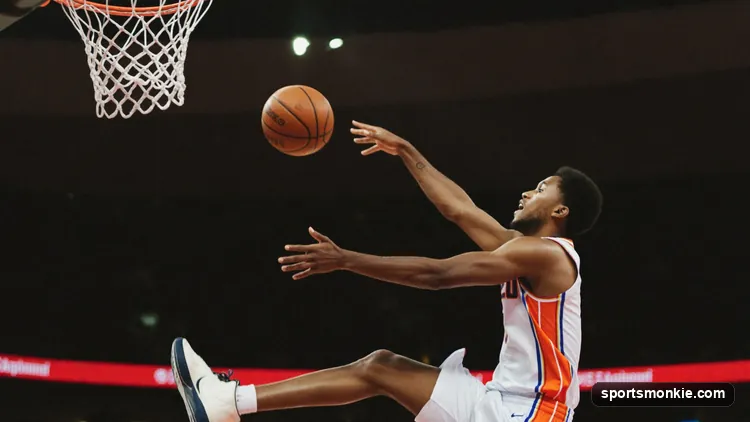
What Is an Alley-Oop in Basketball? Definition, Technique & Famous Duos
What is an alley oop? A lob pass caught above the rim and finished with a dunk or layup in one motion. Learn the technique, timing, and top NBA/WNBA duos.
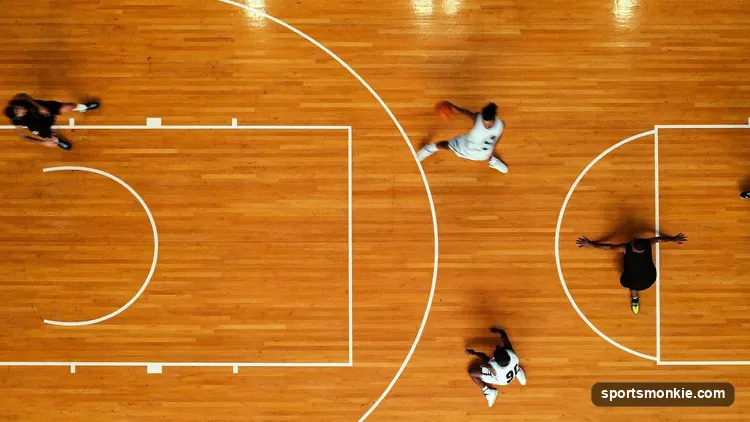
Basketball Positions by Number (1-5): The Complete Guide
Basketball positions by number: 1 is point guard, 2 shooting guard, 3 small forward, 4 power forward, 5 center. Learn the system and how coaches use it.