
Wide Receiver Position Explained: Role, Routes & Types
On this page7
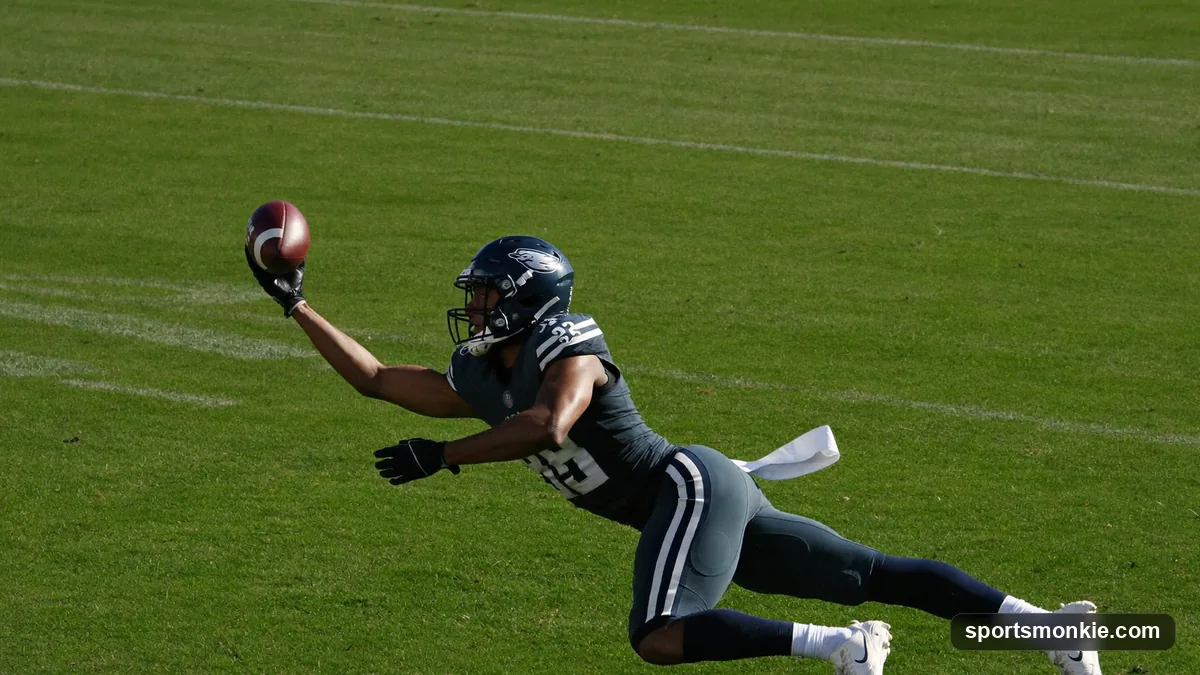
The wide receiver (WR) is the offensive skill player who lines up split wide from the offensive line and is primarily responsible for catching passes from the quarterback. Beyond hauling in throws, wide receivers run precise routes to get separation, secure contested catches in traffic, turn short passes into long gains, and block downfield to spring running backs loose. It is one of the most athletic and statistically celebrated positions in the sport, and every level of American football — from Pop Warner to the American football (NFL) — builds its passing game around this role.
Understanding wide receiver is easier once you see it in context alongside the rest of the passing attack. For a full breakdown of every position on the field, start with our guide to football positions explained, and for the receiver’s role within the pass-catching corps specifically, see football offensive positions explained.
What Does a Wide Receiver Do?
A wide receiver’s job starts before the snap. Lining up several yards outside the tackle (or “split wide”), the WR reads the defensive alignment, adjusts splits based on coverage, and prepares to run a route called in the huddle or signaled from the sideline. At the snap, the receiver releases off the line — beating a jam from the cornerback if one is attempted — and runs a precise path designed to create separation at the moment the quarterback delivers the ball.
Once the ball arrives, the receiver must catch it cleanly, often while being contacted or with a defender draped on the back. After the catch, a wide receiver becomes a runner: picking up yards after the catch (YAC) is a stat coaches prize as much as raw reception totals. On running plays, receivers are also asked to block, using stalk blocks and crack blocks on cornerbacks and safeties to open running lanes on the perimeter.
The Three Wide Receiver Roles: X, Z, and Slot
Not all wide receivers play the same job. NFL offenses typically split the position into three distinct alignments, each with its own demands.
- X receiver (split end): Lines up on the line of scrimmage, usually on the weak side (away from the tight end). Because there’s no tight end to chip the defender, the X receiver gets jammed at the line more often and typically draws the opposing defense’s top cornerback. This role rewards physical, contested-catch receivers who can win one-on-one.
- Z receiver (flanker): Lines up off the line of scrimmage, usually to the strong side near the tight end. Because the Z is not on the line, it gets a free release without being jammed, which favors receivers who win with speed off the snap.
- Slot receiver: Lines up inside, between the outside receiver and the tackle, in the open space of the formation. Slot receivers usually face nickel cornerbacks, safeties, or linebackers rather than a team’s top corner, and the role rewards quickness, sharp cuts, and reliable hands over long speed.
Teams mix and match these alignments within a single game plan, and many top receivers are asked to play more than one role depending on the formation, similar to how offenses shuffle tight ends between in-line and detached alignments.
Wide Receiver Roles Comparison
| Role | Alignment | Typical Coverage | Key Trait |
|---|---|---|---|
| X (split end) | On the line, often weak side | No. 1 cornerback, press coverage | Contested-catch strength |
| Z (flanker) | Off the line, strong side | Free release, off coverage | Speed off the snap |
| Slot | Inside, between tackle and outside WR | Nickel corner, safety, linebacker | Quickness, route precision |
Essential Skills for a Wide Receiver
Every level of football looks for a similar core skill set at wide receiver:
- Speed and acceleration — to stretch the field vertically and threaten deep coverage.
- Route running — sharp, disciplined breaks that create separation regardless of a defender’s technique.
- Hands — the ability to catch the ball away from the body and in traffic without relying on the chest.
- Body control and contested-catch ability — winning jump balls and adjusting to underthrown or overthrown passes.
- Yards after catch (YAC) — vision, footwork, and contact balance to extend plays after the reception.
- Blocking — willingness and technique to sustain blocks on running plays, an increasingly valued trait in modern spread offenses.
Route trees are built from a common set of patterns: the slant, out, curl, comeback, post, corner, and go (fly) route are the foundation most receivers master first, with option routes and double moves layered on as a player develops.
Wide Receiver by the Numbers: Roster Usage
Most NFL teams carry five to six wide receivers on the 53-man roster, and offenses frequently deploy three-receiver “11 personnel” (one running back, one tight end, three receivers) as a base grouping. Some teams go further with four- or five-receiver formations on passing downs, spreading the field to create matchup advantages against linebackers and safeties in coverage.
Famous Wide Receivers in NFL History
The position has produced some of the sport’s most recognizable stars. Jerry Rice retired as the career leader in receptions, receiving yards, and receiving touchdowns, a résumé widely considered the standard for the position. Randy Moss set the single-season touchdown record with 23 in 2007, redefining what a dominant deep threat could do. Steve Largent, one of the position’s early trailblazers, earned seven Pro Bowl selections before having his jersey retired by the Seattle Seahawks. In the modern game, players like Justin Jefferson, Tyreek Hill, and Ja’Marr Chase have pushed the route-running and after-the-catch elements of the job to new extremes, while offenses keep finding new ways to scheme receivers open.
Wide Receiver vs. Other Pass Catchers
Wide receiver is often discussed alongside the tight end, since both are primary pass-catching targets, but the two positions differ in alignment and job description. A wide receiver plays split away from the formation and is built around speed and separation, while a tight end lines up attached to the tackle and blends in-line blocking with receiving. For the full comparison, see our guide to the tight end position in football. Both positions depend heavily on chemistry with the quarterback, and together with the running back, they make up the core of every modern passing attack.
Whether a team is running a spread, West Coast, or vertical passing scheme, the wide receiver room is often the deciding factor in how explosive an offense can be — which is why it remains one of the most scouted, drafted, and discussed positions in football.
Frequently asked questions
What is the wide receiver position in football?+
Wide receiver is an offensive position that lines up split wide from the offensive line to catch passes from the quarterback. WRs also run downfield blocks on running plays and screens, making them a dual-threat piece of the passing and rushing attack.
What is the difference between X, Z, and slot receivers?+
The X receiver (split end) lines up on the line of scrimmage, often against the defense's top cornerback with no help from a tight end. The Z receiver (flanker) lines up off the line, usually to the strong side, and gets a free release. The slot receiver lines up inside, between the outside receiver and the tackle, and typically faces nickel corners or linebackers in coverage.
What skills does a wide receiver need?+
Top wide receivers need straight-line speed, precise route running, reliable hands, body control for contested catches, and the vision and burst to gain yards after the catch. Blocking technique on the perimeter is also valued by NFL coaching staffs.
How many wide receivers does an NFL team usually play?+
Most NFL teams keep five or six wide receivers on the 53-man roster and regularly deploy three-receiver ('11 personnel') or four-receiver sets on early and passing downs.
What routes does a wide receiver run?+
Common WR routes include the slant, out, curl, comeback, post, corner, and go (fly) route. Route trees are built off these core patterns, with receivers adjusting depth and breakpoints based on coverage.
Who are some of the greatest wide receivers in NFL history?+
Jerry Rice holds career records for receptions, receiving yards, and receiving touchdowns. Randy Moss set the single-season touchdown record with 23 in 2007. Modern stars such as Justin Jefferson, Tyreek Hill, and Ja'Marr Chase continue to redefine the position with speed and route craft.
Is wide receiver an offensive or defensive position?+
Wide receiver is strictly an offensive position. Its defensive counterpart, the cornerback, is tasked with covering receivers on every passing down.
How does a wide receiver differ from a tight end?+
A wide receiver typically lines up split wide off the line and is built for speed and separation, while a tight end lines up next to the tackle and combines blocking strength with receiving skills. See our guide to the tight end position in football for a full breakdown.
Sources
Play & tools
Free browser games and tools — no account, no download.
- Play 17-0 — Draft nine and chase a flawless NFL regular season — the perfect 17-0 run, no playoffs.
- Play 20-0 — Draft nine and chase a perfect NFL season — regular season and playoffs, undefeated.
- Play 16-0 — Draft nine and chase a perfect 16-0 — the classic 16-game NFL regular season, no playoffs.
- Play Flawless Six — Draft five players and a head coach, then chase a perfect NFL season with the right chemistry.
- Play Guess the NFL Player — A new mystery NFL player every day. Eight guesses, with a clue on each — plus free unlimited mode.
- Play NFL Wordle — A Wordle for football — guess the daily NFL player in eight tries, with green-amber-grey feedback on every clue.
- Play NFL Connections — Sort sixteen football tiles into four hidden groups of four. A new daily puzzle, four mistakes allowed, plus unlimited mode.
- Explore all our games →
- Open the schedule simulator — Pick every 2026 NFL game and watch the standings and playoff seeds update live.
- Open the squares generator — Generate a randomized, printable Super Bowl squares grid for your party — free, no sign-up.
- Open the trade calculator — Weigh any fantasy football trade instantly — clear winner and value gap.
- Run the NFL predictor — Simulate the NFL bracket and see who your picks send to the Super Bowl.
- Open the passer rating calculator — Calculate the official NFL passer rating (0–158.3) from any passing line, with the formula shown.
- Explore all our free sports tools →
Related nfl guides
View all →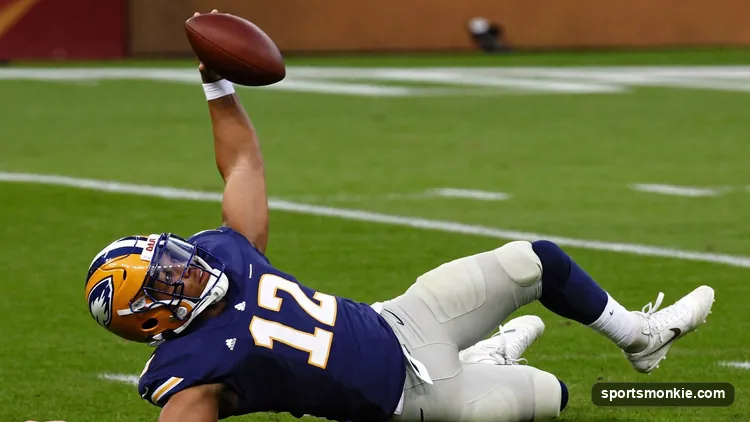
Tight End Position in Football Explained: Role, Skills, and Famous TEs
The tight end position in football is a hybrid blocker-receiver lined up beside the tackle. Learn its rules, responsibilities, skills, and top examples.
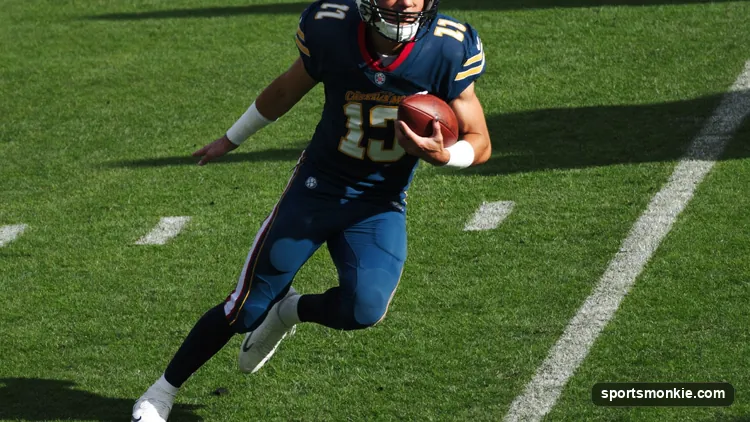
Running Back Position in Football: Role, Skills & Types Explained
The running back position carries the ball, catches passes, and pass-blocks. Learn the halfback vs. fullback split, key skills, and top RB examples.
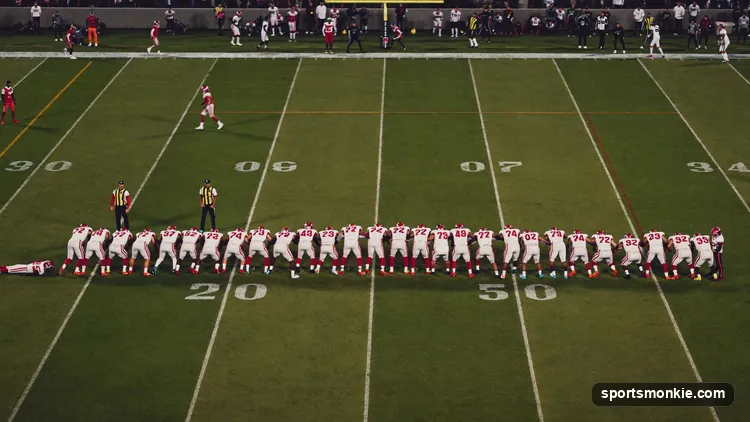
Football Positions Explained: Every Offense, Defense & Special Teams Role
Football positions explained: every offense, defense, and special teams role in American football, what each one does, and how they fit together.
What Is an RPO in Football? Run-Pass Option
An RPO is a run-pass option: one play where the QB reads a defender after the snap and decides to hand off or throw. How it works, explained.
Quarterback Position in Football: Role, Skills, and Responsibilities Explained
The quarterback position leads the offense, calling plays, taking the snap, and throwing or handing off the ball. Learn the QB's full job in football.
What Is a Cornerback in Football? Position, Role & Skills Explained
A cornerback in football is the defensive back who covers wide receivers in man or zone coverage. Learn the role, skills, and famous CBs.