
What Is a Check in Hockey? Body Check and Legal Contact
On this page5
TL;DR
In hockey, checking is a defensive skill: a player uses legal body contact to slow an opponent or win the puck. It is not permission to hit anywhere. The league rulebook controls contact to the head, back, boards and vulnerable players.
What a legal check tries to do
The objective is to separate the opponent from the puck or close down space. Good checking uses balance, angle and timing rather than maximum force. A player can also use a stick check, which is different from body contact.
Body check versus stick check
A body check uses the shoulder or hip within the permitted target area. A stick check uses the stick blade or shaft to take the puck. Slashing, hooking and tripping are restricted stick actions, not clean checks.
Illegal contact
A hit to the head, a check from behind, boarding, charging and late contact can draw a penalty. Enforcement varies by league, age group and circumstance, so youth hockey may prohibit body checking altogether.
Safer technique
Keep the head up, approach on an angle and maintain control of the skates. Players should know the local contact rules and follow coaching guidance, especially near the boards where the risk of injury rises.
Related hockey context
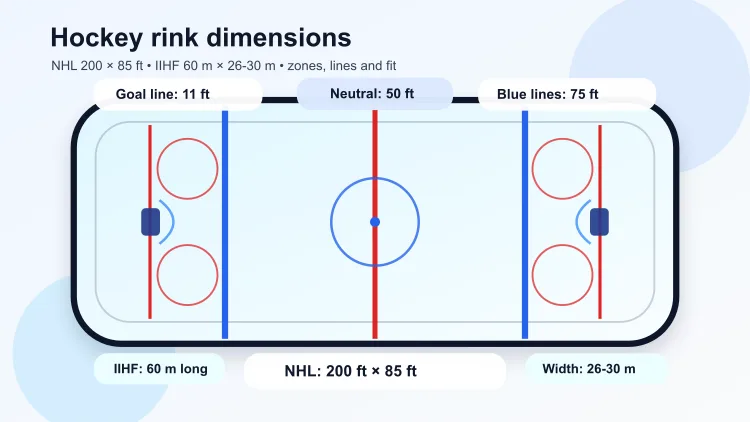
See hockey rink dimensions, what is icing and what is a power play for related rules and space.
FAQs
Hockey’s global footprint is discussed in our most popular sports guide; this page narrows in on legal contact.
Is every hit a check?
No. A check is purposeful legal contact. A late, high, charging or blind-side hit can be penalized even if it separates a player from the puck.
Can you check a player without the puck?
Only within the rules and timing allowed by the competition. Contact aimed at a vulnerable player away from the play is commonly penalized.
Are checks allowed in youth hockey?
Some youth programs restrict or ban body checking. Players and parents should follow their association’s age-specific rules rather than assume adult standards.
What is a shoulder check?
It is a body check delivered with the shoulder into a permitted target area. The shoulder itself does not make an illegal hit legal.
Is checking the same as fighting?
No. Checking is a hockey defensive technique; fighting is misconduct and is governed by separate penalties.
Why are board checks dangerous?
The boards limit escape and absorb impact. That is why leagues pay special attention to checks from behind, boarding and late contact near them.
Sources
Play & tools
Free browser games and tools — no account, no download.
- Play 98-0 — Draft a 12-player all-time NHL roster and chase a perfect 98-0 — 82 regular-season wins plus a swept Cup.
- Explore all our games →
Related ice hockey guides
View all →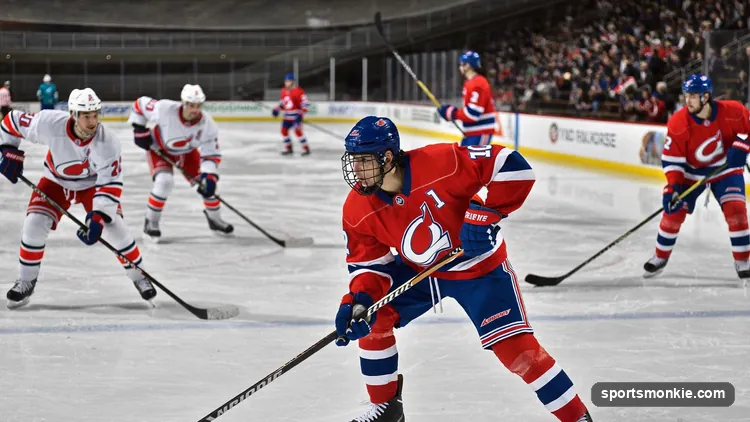
Hockey Terminology Glossary: 60+ NHL Terms Explained
A complete hockey terminology glossary covering NHL rules, positions, penalties, and slang terms every fan needs to know.
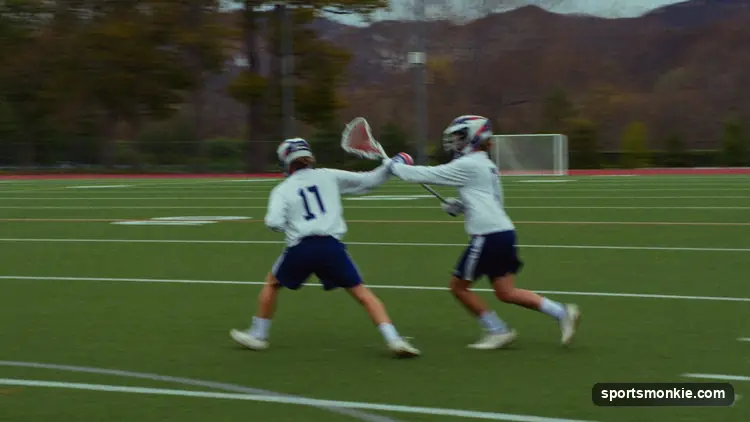
Is Lacrosse a Contact Sport? Contact Rules by Version
Is lacrosse a contact sport? It depends which lacrosse. Body checking is legal in men's field and box, banned in the women's game. Rules and injury data compared.
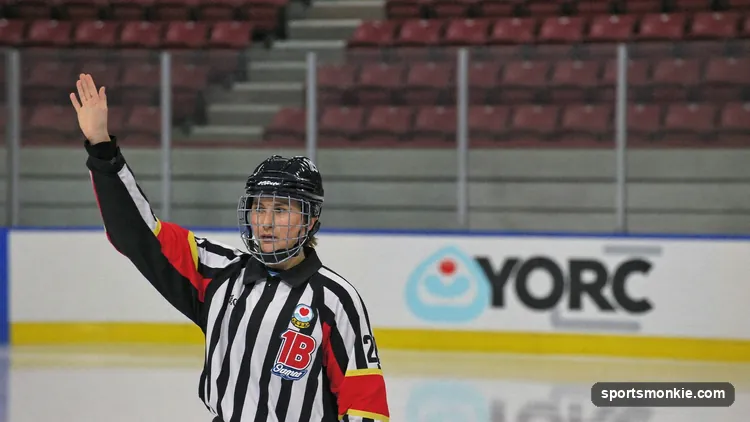
Hockey Referee Signals Explained: Every Penalty Arm Signal
Hockey referee signals decoded: the exact arm signal for hooking, tripping, slashing, cross-checking, high-sticking, holding, interference, and more.
What Is a Faceoff in Hockey?
A faceoff starts and restarts play in hockey: an official drops the puck between two opposing players at one of nine faceoff dots, and they battle to win possession.
What Is a Penalty Kill in Hockey?
A penalty kill is when a short-handed team defends against the opponent's power play after taking a penalty, trying to survive the two minutes without conceding.
What Is a Shootout in Hockey?
A hockey shootout decides a tied NHL regular-season game after overtime: teams alternate penalty-shot attempts, best of three, then sudden death, for one standings point.