
Tennis: Rules and how it works
Browse SportsMonkie's rules and how it works about tennis, organized in one crawlable topic hub.
11 articles in this topic.

What Is a Let in Tennis? Rules and When It's Replayed
A let in tennis replays a serve or point. Learn when it applies, how first and second serves restart, and when a net cord stays live.
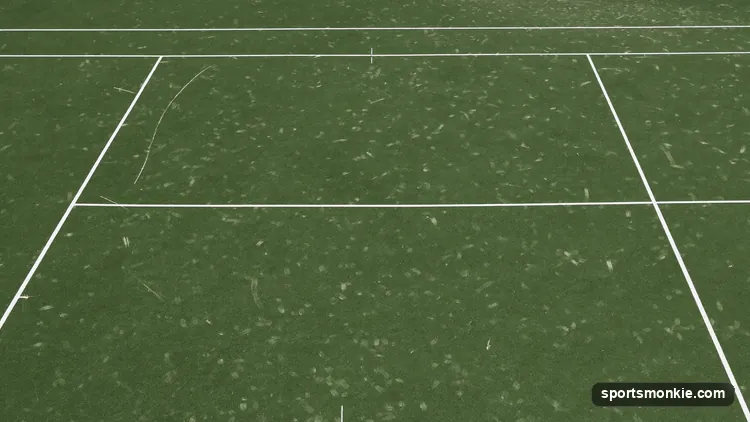
Why Do Tennis Players Change Ends?
Tennis players change ends to keep conditions fair when sun, wind, court wear and other environmental factors affect play.
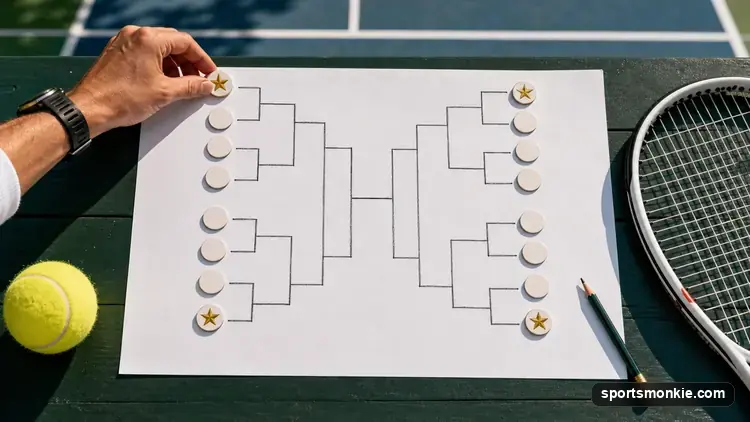
What Is Seeding in Tennis? How Seeds Work
Seeding in tennis ranks top players in a draw so they avoid each other early. Learn how seeds are set, why there are 32, and what a seed guarantees.

What Is a Bagel in Tennis? 6-0 Sets Explained
A bagel in tennis means winning a set 6-0. Learn the term's origin, what a double bagel and golden set are, and how rare each one is.

How Does a Tiebreak Work in Tennis?
A tennis tiebreak decides a set locked at 6-6. First to 7 points wins, but you must lead by two. Here's scoring, serving order, and when tiebreaks happen.
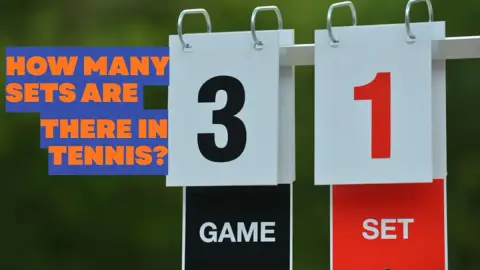
How Many Sets Are There in Tennis? A Complete Guide
Most pro tennis matches are best-of-three sets, so the first to win two sets wins. Grand Slam men's singles use best-of-five, needing three sets to win.
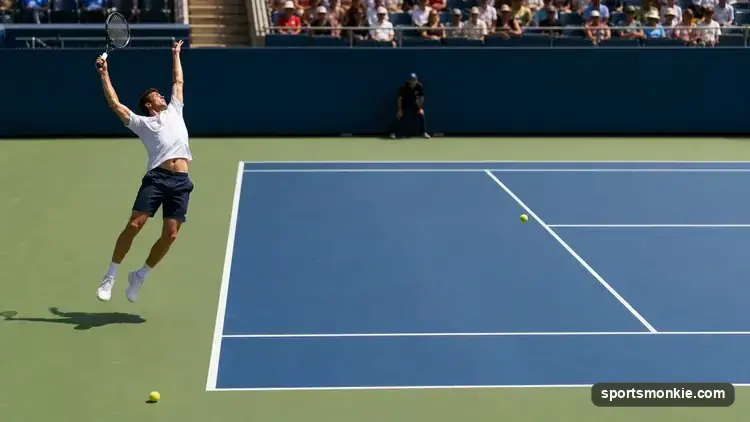
Fault vs Double Fault in Tennis: What's the Difference?
A fault is one missed serve; a double fault is two in a row, which hands the point to your opponent. Here's exactly how serving faults work.

How Much Does a Tennis Ball Weigh? Official Specs Explained
A standard tennis ball must weigh 56.0 to 59.4 g (1.975-2.095 oz) under ITF rules, and meet strict diameter and bounce limits for approved pro play.
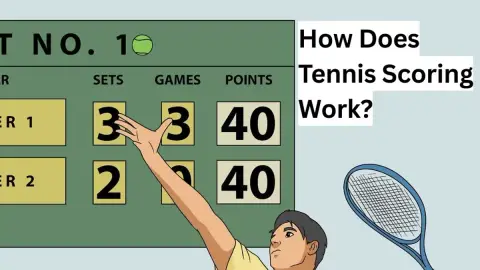
How Does Tennis Scoring Work? Points, Games, Sets Explained
Tennis scoring runs 15, 30, 40, game; games build into sets and sets into a match. See a clear breakdown of how tennis scoring works at every level.
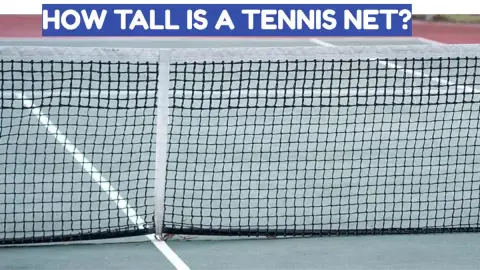
How Tall Is a Tennis Net? Official Height and Dimensions
A tennis net is 91.4 cm (3 ft) tall at the centre and 107 cm (3 ft 6 in) at the posts. These ITF measurements apply to all sanctioned tennis play.

What Is a Walkover in Tennis? Rules and Examples
A walkover in tennis happens when a player wins without playing because the opponent withdraws before the match starts. It differs from a retirement.