
What Is a Dime Defense in Football?
On this page7
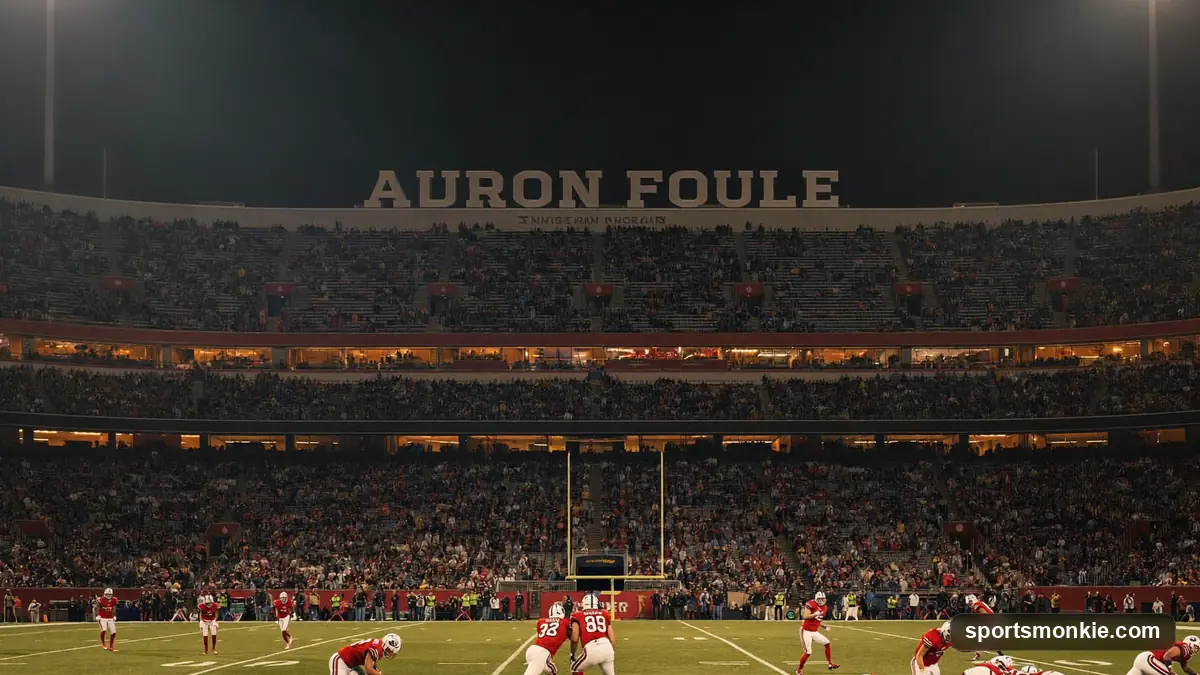
A dime defense in football is a formation that puts six defensive backs on the field to defend the pass, one more than a nickel defense and two more than a standard base defense — a look built to smother the pass and disguise a blitz. Teams use it when they expect the offense to throw, trading run-stopping size for extra speed and coverage in the secondary.
If you have heard commentators say a defense is “in dime” and wondered what changed, the answer is simply the personnel: more defensive backs, fewer linebackers. Here is how the dime works, where the odd coin name comes from, and how it compares to the nickel and quarter looks around it.
What a dime defense actually is
A defense normally starts from a base with four defensive backs, two cornerbacks and two safeties. When a team needs more coverage, it substitutes faster defensive backs for slower front-seven players. The dime is the package with six defensive backs. To make room for that sixth DB, a dime typically removes a second linebacker, often leaving just one linebacker on the field, and can also drop down to a lighter defensive line.
The trade-off is the whole point. Six defensive backs mean more speed and more bodies to cover receivers, but fewer big players to stop the run. That is why a dime is a situational package, not a defense a team lives in on every down.
Where the name comes from
The naming is football slang built on coins. The nickel defense adds a fifth defensive back, and it is called a nickel because a nickel is worth five cents, matching the fifth DB. When a sixth defensive back comes in, the package is called dime, because a dime is worth two nickels, it represents adding a second “nickel” back. The names describe how many defensive backs are on the field, counting up from the base four.
Dime vs nickel vs quarter
Here is how the common sub packages stack up.
| Package | Defensive backs | Typical use |
|---|---|---|
| Base | 4 | Normal downs, run and pass balance |
| Nickel | 5 | Common passing downs; replaces a linebacker |
| Dime | 6 | Obvious passing downs; often just one linebacker |
| Quarter / prevent | 7 | Desperate long-pass situations (two-minute, hail mary) |
Reading down the table, each step adds one defensive back and removes a front-seven player, shifting the defense further toward pass coverage and away from run defense. The dime sits between the everyday nickel and the extreme quarter look.
When teams call the dime
A dime comes out in clear passing situations: third-and-long, obvious two-minute drills, or against a spread offense that has emptied the backfield and put out extra receivers. In all of these, the defense is willing to give up some run defense because it does not expect a run, and it wants maximum speed and coverage against the pass.
The risk is that a smart offense will run the ball against a dime, because the light front and single linebacker are vulnerable to a rushing play. Good offensive coordinators watch for the dime and sometimes call a draw or screen to punish it, which is exactly the kind of chess match that makes down-and-distance football so strategic. The concept of the run-pass option is built to exploit exactly these personnel mismatches, our explainer on what an RPO is in football covers how offenses read light boxes like these.
Who plays in a dime package
A dime does not just add any defensive back, it changes the type of player on the field. The sixth defensive back is usually a specialist known as a slot corner or a “big nickel” safety, someone quick enough to cover a shifty slot receiver or a pass-catching running back. Meanwhile the lone remaining linebacker is typically the defense’s best coverage linebacker, chosen for speed and pass-recognition rather than run-stopping bulk.
Up front, coaches have a choice. Some dime looks keep four defensive linemen to maintain a strong pass rush with only three men behind them; others drop to three linemen to add coverage or disguise where pressure will come from. This flexibility is a big reason the dime has become more common as offenses spread the field with more receivers. A defense that once needed its base personnel now leans on sub packages like the nickel and dime for the majority of a modern passing game.
Strengths and weaknesses at a glance
The dime’s strength is obvious: with six defensive backs, it can match up against multiple fast receivers and blanket the field against the pass. Its weakness is equally clear, a light front with one linebacker is thin against the run and can be pushed around by a physical offensive line. That is the trade every coordinator weighs before sending in the dime, and it is why the package appears on passing downs rather than as a full-time defense.
Why it matters to understanding a game
Recognising the dime helps you read a defense’s intentions before the snap. If you see a defense send in extra defensive backs and pull linebackers, it is telling you it expects a pass, information a quarterback uses too. That interplay between personnel and situation is at the heart of defensive strategy, alongside fundamentals like what a safety is in American football and the down-and-distance framework explained in our guide to the first down. For the bigger picture of how these packages surface in the biggest games, see our overview of the NFL playoff format.
The short version: a dime defense uses six defensive backs, one more than a nickel and two more than base, and is called for obvious passing downs. The name comes from coin slang (the dime is the sixth DB, a “second nickel”), and it trades run defense for extra coverage speed, with the quarter or prevent look adding a seventh defensive back for the most extreme passing situations.
Frequently asked questions
Why do they call it a dime defense?+
The name comes from coin slang that starts with the nickel defense. A defense's fifth defensive back is called the 'nickel' back because a nickel is worth five cents, matching the fifth DB. When a sixth defensive back comes in, the package is called 'dime,' since a dime is worth two nickels, it represents adding a second nickel back on top of the first. So a dime defense simply signals the sixth defensive back, building on the nickel naming.
What is the difference between a dime and a nickel defense?+
The difference is one defensive back. A nickel defense uses five defensive backs (one more than base), usually replacing a linebacker to defend the pass better. A dime defense uses six defensive backs, adding yet another coverage player and typically removing a second linebacker. Both are 'sub packages' for passing situations, but the dime is the more pass-heavy of the two, sacrificing more size and run defense for extra speed and coverage.
What is the difference between a quarter and a dime defense?+
A quarter defense (sometimes called 'prevent') uses seven defensive backs, one more than the dime's six. It is an extreme passing-situation formation, used in desperate end-of-half or end-of-game moments when the defense expects a long pass and is willing to concede short gains to prevent a big play. The dime, with six defensive backs, is less extreme and more common on ordinary obvious passing downs, while the quarter is reserved for true 'don't get beaten deep' situations.
What is the difference between a dime and a dollar defense?+
A dime defense uses six defensive backs. A 'dollar' defense is a less standardised term that some coaches use for a seventh-defensive-back package, essentially another name for a quarter or prevent look with seven DBs. Because 'dollar' is not used consistently across all teams and analysts, it is best understood simply as a very heavy pass-defending package with more defensive backs than a dime, most often meaning seven.
Sources
Play & tools
Free browser games and tools — no account, no download.
- Play 17-0 — Draft nine and chase a flawless NFL regular season — the perfect 17-0 run, no playoffs.
- Play 20-0 — Draft nine and chase a perfect NFL season — regular season and playoffs, undefeated.
- Play 16-0 — Draft nine and chase a perfect 16-0 — the classic 16-game NFL regular season, no playoffs.
- Play Flawless Six — Draft five players and a head coach, then chase a perfect NFL season with the right chemistry.
- Play Guess the NFL Player — A new mystery NFL player every day. Eight guesses, with a clue on each — plus free unlimited mode.
- Play NFL Wordle — A Wordle for football — guess the daily NFL player in eight tries, with green-amber-grey feedback on every clue.
- Play NFL Connections — Sort sixteen football tiles into four hidden groups of four. A new daily puzzle, four mistakes allowed, plus unlimited mode.
- Explore all our games →
- Open the schedule simulator — Pick every 2026 NFL game and watch the standings and playoff seeds update live.
- Open the squares generator — Generate a randomized, printable Super Bowl squares grid for your party — free, no sign-up.
- Open the trade calculator — Weigh any fantasy football trade instantly — clear winner and value gap.
- Run the NFL predictor — Simulate the NFL bracket and see who your picks send to the Super Bowl.
- Open the passer rating calculator — Calculate the official NFL passer rating (0–158.3) from any passing line, with the formula shown.
- Explore all our free sports tools →
Related nfl guides
View all →
What Is a Nickel Defense in Football?
A nickel defense uses five defensive backs instead of the usual four, swapping a linebacker for an extra cornerback to defend the pass on obvious passing downs.
Defensive Positions in Football Explained
Defensive positions in football fall into three groups: the defensive line (ends, tackles, nose tackle), linebackers, and the secondary (corners, safeties).
Man Coverage in Football: How It Works, Cover 0 vs Cover 1
Man coverage in football has each defender guard one specific receiver, not a zone. Cover 0 vs Cover 1, strengths, weaknesses, and how it differs from zone.
What Is a Blitz in Football? The Defensive Gamble
A blitz in football is when the defense sends extra rushers — more than the usual four — to pressure the quarterback, trading coverage for speed to the passer.
What Is a Sack in Football?
A sack is when the defense tackles the quarterback behind the line of scrimmage before they can throw, losing yards for the offense. It's a key pass-rush stat.
Prevent Defense in Football: What It Is and Why Coaches Get Criticized for It
A prevent defense drops extra defensive backs deep to stop the big play late in a half, trading short completions for protection against a game-changing bomb.