
What Is a Charge in Basketball? Charge vs. Block
On this page5
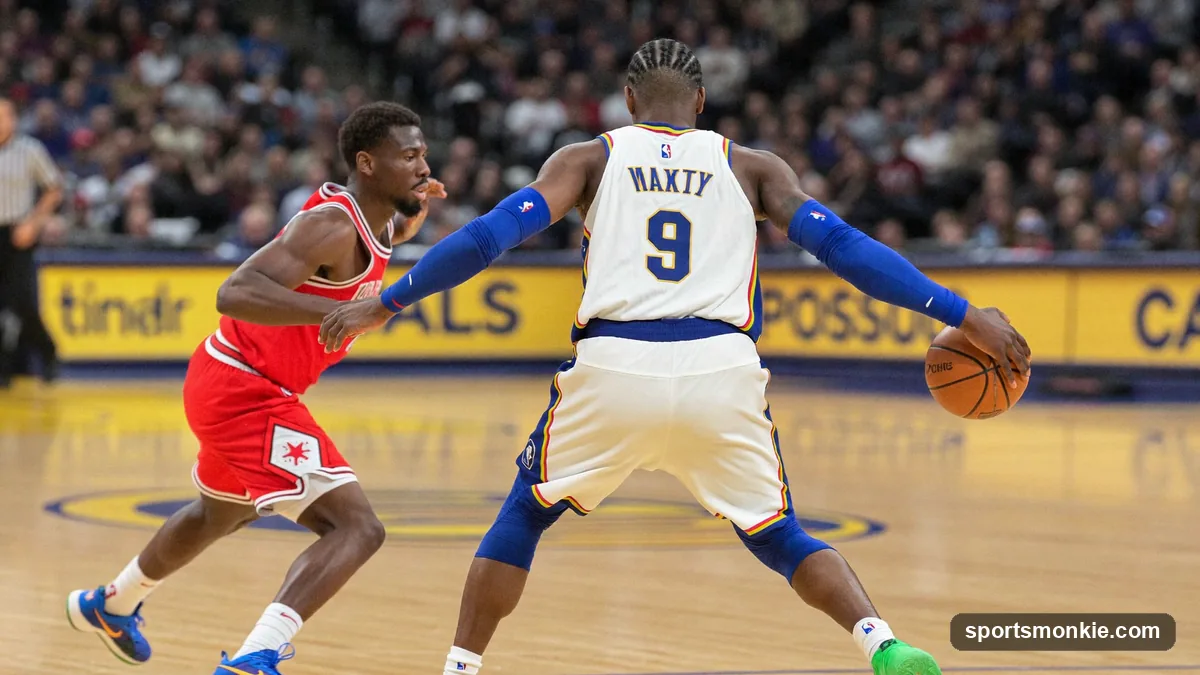
A charge is an offensive foul called when a ball handler drives into a defender who has already established legal guarding position — set, facing the opponent, and outside the restricted area under the basket. It is a turnover: no points count and the ball goes to the defense. Its opposite is a blocking foul, and the block/charge call is one of the toughest in the game.
What makes it a charge
To draw a charge, the defender must meet all of these before contact:
- both feet set on the floor,
- facing or in the path of the offensive player,
- outside the restricted-area arc under the basket.
If all three are true and the offensive player barrels into them, it is a charge — an offensive foul and a turnover.
Charge vs. block: the whole debate
Same collision, opposite call. The deciding factor is who was set.
| Situation | Call |
|---|---|
| Defender set and stationary before contact | Charge (offensive foul) |
| Defender still moving or arrived late | Block (defensive foul) |
| Defender under the basket in the restricted area | Block or no-call |
That split-second judgment — was the defender truly set, and were they in the restricted area — is why the block/charge is among the most argued calls in basketball.
The restricted area
The painted arc under the rim exists so a secondary defender cannot camp beneath the basket to bait collisions with players finishing at the hoop. Contact drawn there cannot be a charge, protecting drivers from dangerous pileups directly under the basket.
Why the charge is valuable
A charge erases a scoring chance, flips possession, and puts a foul on the opponent — all in one play. That makes it a high-value defensive weapon, though a mistimed attempt gives up a blocking foul instead. It sits alongside the technical foul and flagrant foul as one of the officiating decisions that most shapes a game’s flow.
Reading the call
Because the charge rewards a defender for beating the offensive player to a spot, it is a battle of positioning and timing — the same positioning that underpins team defensive and offensive schemes. Learn to spot who was set and where the contact happened, and the block/charge call stops being a mystery — explore more in our basketball guides.
The other offensive foul dominating the conversation right now is the off-arm push-off, which officials opened the 2026-27 preseason by policing hard: Scottie Barnes drew the first push-off call inside two minutes of the Raptors’ opener, on a play that would not have been whistled last season.
Frequently asked questions
What is a charge in basketball?+
A charge is an offensive foul in which the ball handler runs into a defender who has legally established position before the contact. To draw a charge, the defender must be set with both feet on the floor, facing or in the path of the offensive player, and outside the restricted-area arc under the basket. The result is a turnover — the basket, if any, does not count, and possession goes to the defense.
What is the difference between a charge and a block?+
It comes down to who was set at the moment of contact. If the defender had established legal guarding position — set and stationary — before the offensive player left the ground or drove into them, it is a charge (offensive foul). If the defender was still moving, arrived late, or was sliding under an airborne shooter, it is a blocking foul (defensive foul). Same collision, opposite call, decided by timing and position.
What is the restricted area in a charge call?+
The restricted area is the small arc painted under the basket. A secondary defender standing inside that arc cannot draw a charge — contact there is a block or a no-call. The rule exists so defenders cannot camp directly under the rim to bait collisions with players finishing at the basket, protecting drivers from dangerous pileups right under the hoop.
Does a charge count as a turnover?+
Yes. A charge is an offensive foul, so any basket scored on the play is waved off and the ball is awarded to the defending team. It also counts as a personal foul on the offensive player and toward their foul total. Drawing a charge is therefore a high-value defensive play: it erases a scoring chance and flips possession in one moment.
How does a charge differ from a normal foul?+
Most fouls are committed by the defense; a charge is one of the few fouls charged to the offense. Unlike a shooting foul that sends a player to the free-throw line, a charge produces a turnover and no free throws (unless the defense is in the penalty for team fouls in some situations). It is essentially the defense being rewarded for taking a legal, set position.
Why is the block/charge call so controversial?+
Because it is a split-second judgment about whether the defender was truly set and whether they were in the restricted area, and the contact can look identical either way. Referees must decide in real time who had position, and replays often show how close these calls are. It regularly swings momentum and decides tight games, which is why it is among the most debated calls in basketball.
Is drawing a charge a good defensive play?+
It can be very effective — it stops a basket, forces a turnover, and adds a foul to the opponent — but it carries risk. A defender who mistimes it gives up a blocking foul and possibly free throws, and repeatedly sliding in front of drivers can lead to injury. Good defenders pick their moments, using the charge as one tool alongside contesting shots and playing passing lanes.
Sources
Play & tools
Free browser games and tools — no account, no download.
- Play 82-0 — Draft five, one per position, and see if your lineup can go a flawless NBA season.
- Play Era Ball — Draft an all-time NBA roster from a single era, then simulate a season and chase a perfect run.
- Play 32-0 — Draft five college basketball legends, one per position, and chase a perfect 32-0 national title.
- Explore all our games →
- Get the printable bracket — Download and print a blank tournament bracket to fill out by hand.
- Open the TS% calculator — Calculate TS% from points, field goal attempts and free throw attempts — scoring efficiency in one number.
- Explore all our free sports tools →
Related basketball guides
View all →
What Is a Flagrant Foul in Basketball?
A flagrant foul is unnecessary or excessive contact against an opponent. Flagrant 1 gives free throws and possession; Flagrant 2 adds an automatic ejection.
What Is the Shot Clock in Basketball?
The shot clock forces a team to attempt a shot within a set time, 24 seconds in the NBA. Learn how it works, the reset rules, and why it changed the game.
The Restricted Area in Basketball
The restricted area is a 4-foot arc under the basket where a defender can't draw a charge. What the semicircle means and how the no-charge rule works.

What Is a 10-Day Contract in the NBA?
A 10-day contract is a short NBA deal covering up to 10 days or three games. How the pay works, the two-contract limit and why teams use them, explained.

What Is Traveling in Basketball? Footwork Rules Explained
Traveling is an illegal movement with the ball caused by taking extra steps or moving the pivot foot beyond what the basketball rules allow.
What Is a 3-Second Violation in Basketball?
A three-second violation prevents an offensive player from staying in the opponent’s restricted area for too long while the team controls the ball.