
How to Play the Reverse Scoop in Cricket: Full Technique Guide
On this page7
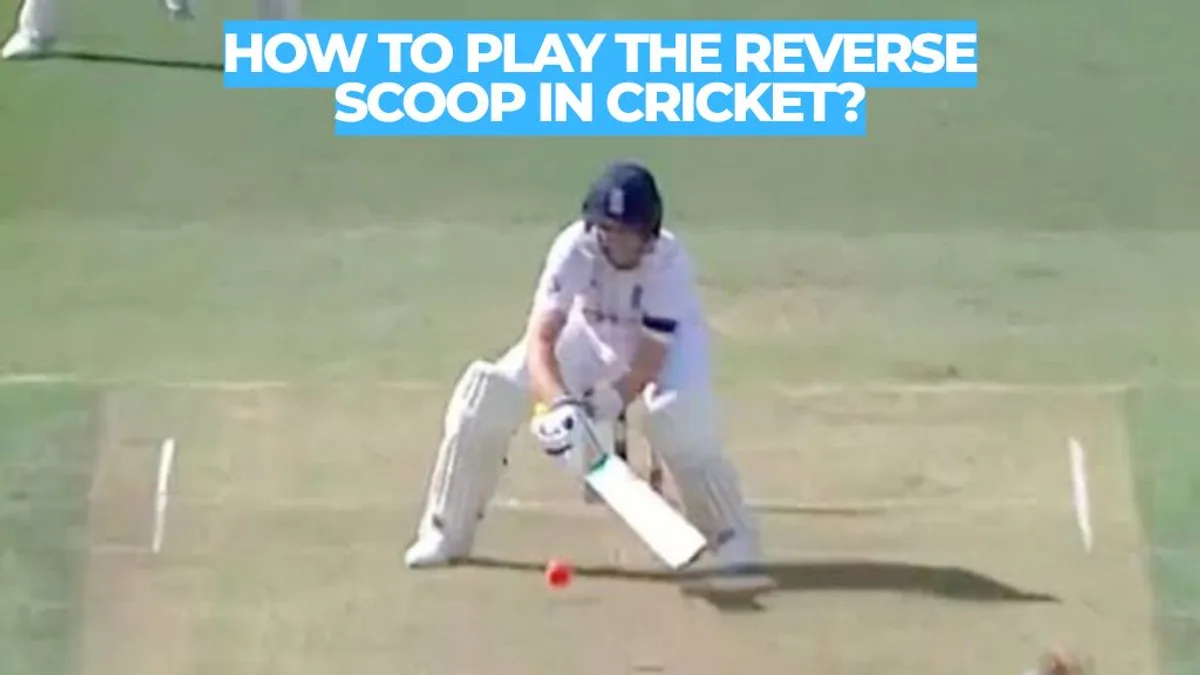
The reverse scoop asks a batter to turn the bat face upside down mid-shot and lift a full delivery over third man or the slip cordon. Nobody plays it by accident. It’s premeditated, often decided before the bowler has even reached the crease, and it demands the kind of hand-eye coordination that separates a mishit from a maximum.
The Concept
Captains pack the on side and the covers in limited-overs cricket, betting that batters won’t attack backward of point. Third man sits empty during most powerplays for exactly that reason. The reverse scoop punishes the gap: a right-hander essentially plays a left-hander’s ramp, sending pace back over the off side rather than working with it.
Footwork
- Stand tall and slightly open so you can track the ball’s full flight.
- As it’s released, step your front foot across toward off stump, getting your body behind the line.
- Bend the front knee to drop your centre of gravity low enough to get under the ball.
- Keep your head over the ball. Falling away toward the leg side ruins the shot before it starts.
Grip and Bat Rotation
This is where the shot lives or dies.
- As you move into position, rotate the bat handle so the face opens toward the sky, pointing at third man.
- Most batters loosen the bottom hand almost completely and let the top hand steer.
- The V of the grip ends up pointing toward point for a right-hander, which feels wrong until you’ve drilled it a few hundred times.
Execution: Step-by-Step
| Phase | Action |
|---|---|
| Read early | Identify full delivery outside off stump, the trigger for the shot |
| Step across | Front foot moves toward off, getting in line |
| Rotate bat face | Open the face upward, toward third man/backward point |
| Bend and scoop | Get low, meet the ball in front of the body |
| Aim the direction | Decide: over keeper’s head (finer) or over third slip (squarer) |
| Follow-through | Upward, in the direction of the target gap |
When to Play It
- Powerplay overs, when third man and backward point sit inside the circle.
- Against off-pace deliveries or cutters at full length outside off stump.
- When the field is packed on both the leg side and off side, leaving the backward region empty.
- As a change of pace when the bowler is squeezing the batter with tight line and length.
Risks and Mitigation
| Risk | Cause | Fix |
|---|---|---|
| Top edge to slip | Bat face not fully open | Commit to rotating the face completely |
| Caught at short third man | Not enough loft | Aim higher; bend lower to create more angle |
| Bowled | Missing the ball entirely | Only play it to full deliveries; yorkers make it near impossible |
| LBW | Playing across the line to a straight ball | Step across early to get bat between ball and stumps |
Practice Drill
Set a bowling machine to full length on off stump at medium pace. Start close to the machine so you have less time to think, and work on the bat rotation alone first, no hard hitting, just feeling the face open. Once that’s automatic, add a target at fine third man and scoop toward it. Consistency of contact matters more than height at this stage; the loft comes once the technique is reliable.
Frequently asked questions
What is the reverse scoop in cricket?+
The reverse scoop is played by a right-handed batter as if scooping to the left — the bat is rotated so the face points upward and toward third man, scooping the ball over the slip cordon or backward point region.
Who plays the reverse scoop best?+
AB de Villiers was renowned for the reverse scoop and similar innovations. Jos Buttler, MS Dhoni, and Brendon McCullum also used variations of the shot to devastating effect in T20 cricket.
Is the reverse scoop different from the ramp shot?+
Yes. The ramp is played to pace bowling, using the bowler's speed to carry the ball over fine leg or the wicketkeeper. The reverse scoop is typically played to fuller deliveries and relies on the batter actively scooping the ball toward third man or point with a rotated bat face.
Sources
Play & tools
Free browser games and tools — no account, no download.
- Play today's Sports Connections — Today's Sports Connections — daily hints, answers, and play the grid.
- Play Guess the NFL Player — A new mystery NFL player every day. Eight guesses, with a clue on each — plus free unlimited mode.
- Explore all our games →
Related cricket guides
View all →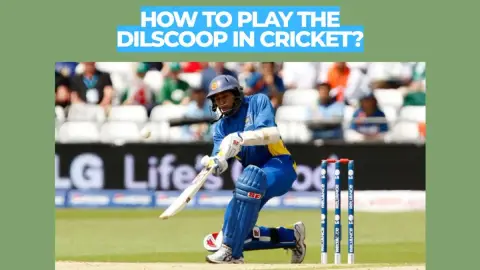
How to Play the Dilscoop in Cricket: Step-by-Step Technique
The Dilscoop scoops a full pace delivery over the keeper's head for six. Learn the exact footwork, bat angle, and timing that make this shot work.
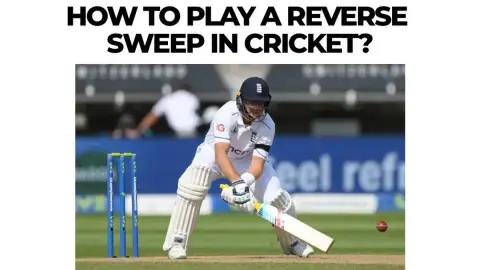
How to Play a Reverse Sweep in Cricket: Technique Guide
The reverse sweep flips your grip and stance to hit spin to the off side. Learn the exact technique, footwork, and when to use it in a match.
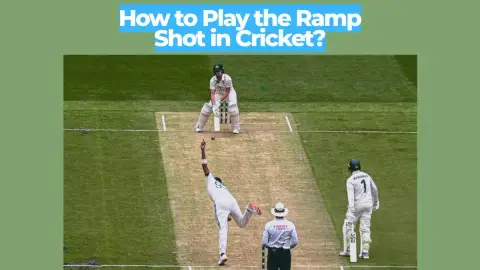
How to Play the Ramp Shot in Cricket: Technique Guide
The ramp shot deflects a full or back-of-length ball over the keeper toward fine leg or third man. Master the wrist angle and head position for T20.
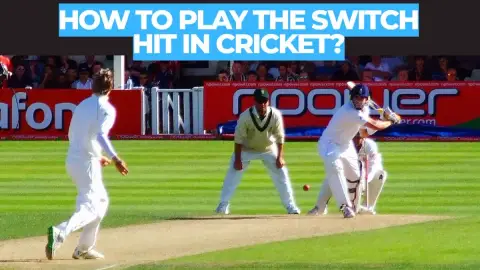
How to Play the Switch Hit in Cricket
The switch hit sees a batter reverse their stance mid-delivery to play as a mirror-image batsman. Learn to execute this bold shot safely and well.
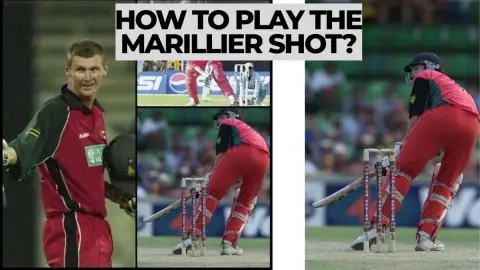
How to Play the Marillier Shot: The Slog Over Deep Fine Leg
The Marillier shot is a high-risk scoop to full or short pace deliveries, swatting the ball over fine leg for six. Learn the grip, timing, and technique.
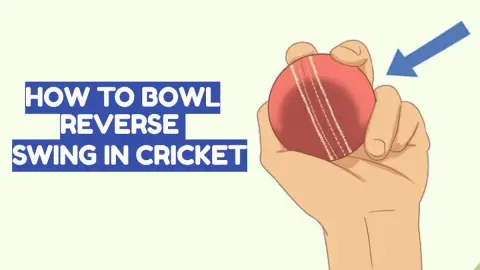
How to Bowl Reverse Swing in Cricket: Technique Explained
Reverse swing makes an old, scuffed ball curve opposite to normal swing. Keep the shiny side toward your target, angle the seam, and bowl at high pace.