
How to Bowl a Leg Cutter in Cricket: Grip & Technique
On this page6
Bowlers who can’t swing the new ball still need a way to beat the bat once it gets old and soft. That’s where the cutter earns its keep. Sarfaraz Ahmed, Ambati Rayudu, plenty of middle-order batters have been undone not by pace but by a ball that grips the seam and darts away after landing. The leg cutter is that delivery for a right-arm bowler: grip the seam at an angle across your fingers, then drag the index finger down and across the ball as you release. The result looks like a leg-spinner’s delivery bowled at pace.
Understanding the Leg Cutter
Medium-fast and fast-medium bowlers use the leg cutter as a stock variation, not a novelty ball. An outswinger moves in the air; the leg cutter does its work off the surface, which means it still functions on days when the pitch offers nothing for conventional swing.
Once it lands, it straightens or drifts away from a right-handed batter, much like a big leg break bowled 20 kmh quicker than a spinner would send it down.
The Grip
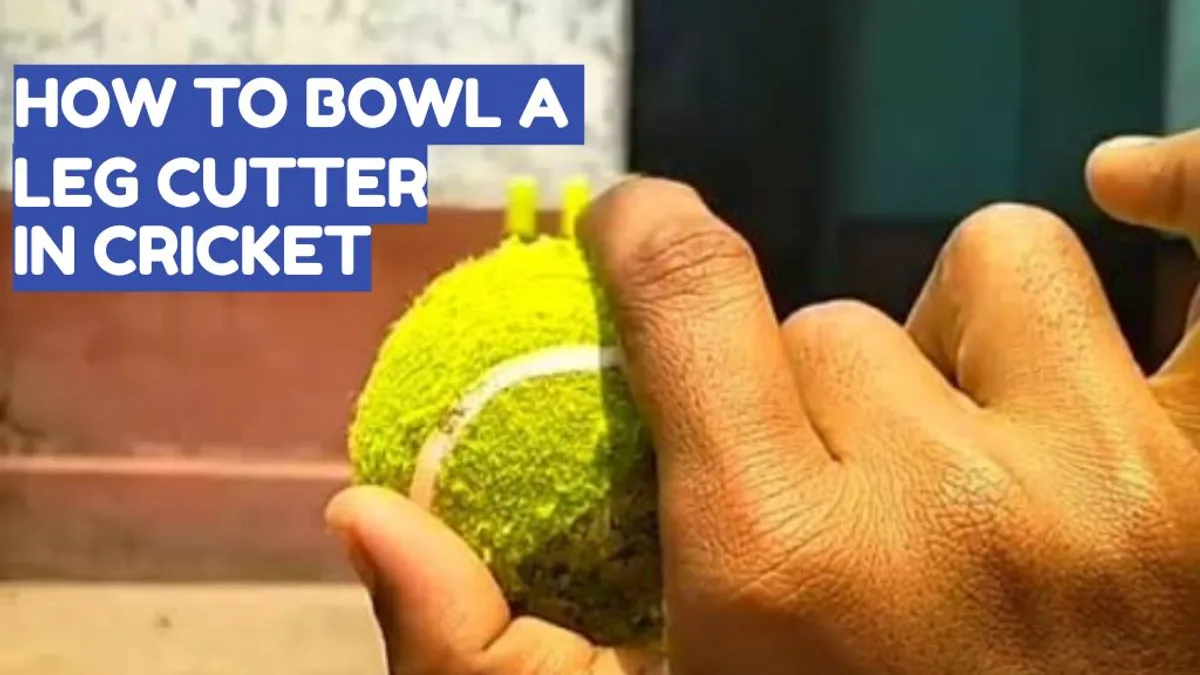
- Hold the ball with the seam angled across your fingers rather than upright, as you would for a standard seamer.
- Keep the index and middle fingers close together, resting across the seam and shifted slightly toward the right side of the ball (for a right-arm bowler).
- Let the thumb sit underneath on the smooth leather for support.
- Position the ring finger on the right side of the ball. It’s not just a passenger here; it contributes to the cutting action at release.
The seam angle is what separates this from a normal delivery. Everything else in the grip stays close to your usual seam-up position.
The Bowling Action
| Phase | What to Do |
|---|---|
| Run-up | Keep it identical to your normal delivery; disguise depends on it |
| Load-up | Cock the wrist slightly inward, toward your body |
| Release | Drag the index finger down and across the right side of the ball |
| Follow-through | Stay side-on a fraction longer than usual to finish the action |
Think of the release as pulling across the ball rather than pushing through it. The finger action, not extra wrist snap, is what produces the deviation.
Step-by-Step Technique
Step 1: Set the grip early. Adjust your fingers inside the bowling hand before you enter the delivery stride, not during it. A batter who spots you fiddling with the seam mid-run has already read the ball.
Step 2: Keep your arm high. A high release gives the cutter more bite off the pitch. Drop to a round-arm action and the deviation flattens out noticeably.
Step 3: Release from the outside of the ball. Your fingers should feel like they’re rolling around the right half of the ball as it leaves your hand, not straight through the middle.
Step 4: Pitch it full. A short leg cutter sits up and invites the cut or the pull shot. Pitched full, it hits the seam and darts late, leaving the batter with almost no time to adjust.
Step 5: Use it sparingly. Two or three an over and batters start picking the change in grip before you release. Save it for when it counts.
Common Mistakes
- Dropping the wrist too early flattens the ball and kills the cutting action
- Slowing the run-up to load the grip telegraphs the variation before it’s even bowled
- Pitching short turns a potential wicket-taker into an easy cut or pull
Conditions That Help
The leg cutter bites hardest on:
- Dry, cracked surfaces where the rough grabs the seam
- Slow, low pitches that let the ball grip on landing
- Any surface with uneven bounce, which exaggerates the deviation
On flatter, harder pitches it still works as a change of pace, just with less lateral movement to show for it.
Frequently asked questions
What is the difference between a leg cutter and an off cutter?+
A leg cutter moves from leg to off (away from a right-handed bat), while an off cutter moves from off to leg (into the right-handed bat). The grip and finger action are mirror images of each other.
When should you bowl a leg cutter?+
The leg cutter is most effective on pitches with uneven bounce or rough patches. It is a good variation delivery to use when the pitch is assisting lateral movement, or as a surprise on good batting tracks.
Can a medium-pace bowler bowl a leg cutter?+
Yes. Medium-pacers often use the leg cutter to generate movement when swing is unavailable. The slower pace can actually accentuate the cut off the pitch.
Sources
Play & tools
Free browser games and tools — no account, no download.
- Play today's Sports Connections — Today's Sports Connections — daily hints, answers, and play the grid.
- Play Guess the NFL Player — A new mystery NFL player every day. Eight guesses, with a clue on each — plus free unlimited mode.
- Explore all our games →
Related cricket guides
View all →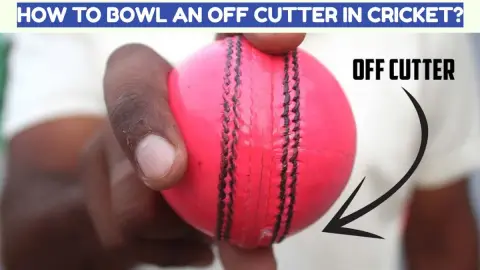
How to Bowl an Off Cutter in Cricket: Grip & Technique
An off cutter is a seam ball that cuts from off to leg into a right-hander. Grip across the seam and drag the middle finger down at release for movement.
How to Bowl Reverse Swing in Cricket: Technique Explained
Reverse swing makes an old, scuffed ball curve opposite to normal swing. Keep the shiny side toward your target, angle the seam, and bowl at high pace.
How to Bowl the Doosra: Grip, Action, and Technique
The doosra is an off-spinner's secret weapon, a ball that turns away from a right-handed batter instead of into them. Learn to bowl it safely and well.
How to Bowl a Yorker in Cricket: Step-by-Step Guide
A yorker pitches at the batter's feet, making it nearly impossible to hit cleanly. Aim a full delivery at the base of the stumps, in the block hole.
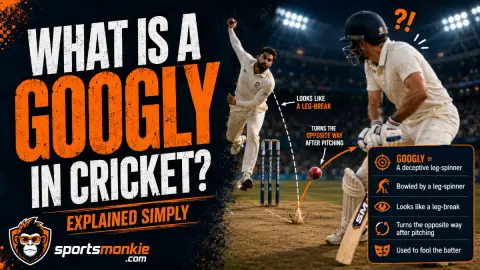
What Is a Googly in Cricket?
A googly is a leg-spinner's disguised delivery that turns the opposite way to a leg break, spinning into a right-hander. See how it's bowled and deceives.

How to Bowl a Teesra in Cricket: Grip and Action
The teesra is an off-spinner's mystery ball that goes straight on instead of turning. A pronated wrist and altered fingers deceive batters expecting spin.