
Recurve Bow for Beginners: How to Choose Your First Bow
On this page5
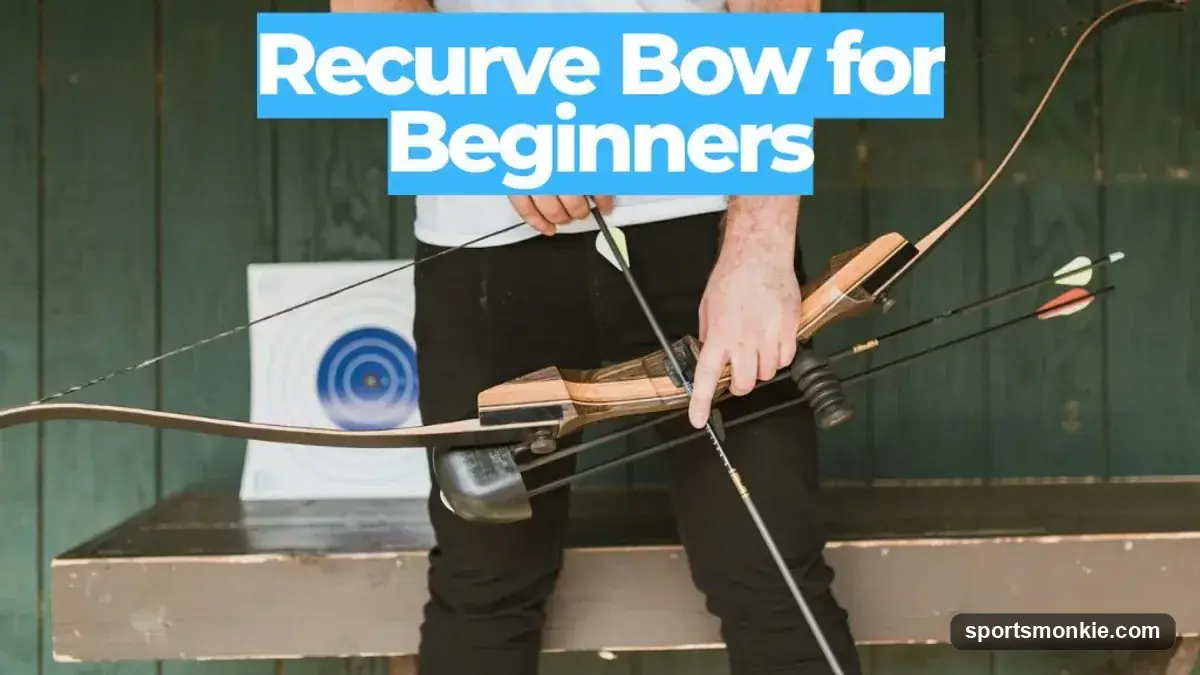
A recurve bow is the best first bow for most new archers because it forces you to build correct technique from the very first arrow. There is no mechanical let-off to hide a shaky draw, so every shot reflects your form. For most adults that means a takedown recurve at 20–28 lbs draw weight, matched to your draw length. The takedown design lets you go heavier later without buying a second bow.
Buying criteria: what to look for
A few specs decide whether a beginner bow helps or hinders you. Draw weight is the big one — start light enough to learn cleanly. Bow length should match your draw length, and a takedown design future-proofs your purchase.
| Spec | What to look for as a beginner |
|---|---|
| Draw weight | 20–28 lbs for adults; 12–18 lbs for juniors or lighter frames |
| Bow length (AMO) | Match to your draw length — see the sizing table below |
| Riser | Aluminium is durable and common; wood suits traditionalists |
| Limbs | Fibreglass or laminated limbs are forgiving and hard-wearing |
| Takedown design | Highly recommended so limbs can be swapped as you progress |
| Bow mass | Around 3 lbs or less is easy to hold steady while learning |
The single most common beginner mistake is over-buying on draw weight because a heavier bow feels more serious. It isn’t — it just wrecks your form faster and raises the risk of a shoulder or back strain.
Types of recurve bow
Takedown recurve is the standard beginner choice. The limbs unbolt from the riser, so you can transport the bow easily and upgrade to heavier limbs as your strength builds — all without replacing the riser.
One-piece recurve is a single moulded or laminated bow. It is lighter in the hand and often quieter, but you are locked into one draw weight and it is harder to travel with.
Olympic-style recurve is a takedown riser fitted with a sight, stabilisers, and a clicker. It is what you graduate toward for target competition, but beginners should master a bare bow first before adding accessories.
Bow length vs. draw length (sizing)
Your draw length — the distance from your bow hand to your anchor point — sets the correct bow length. Most adults land between 26 and 29 inches, and a coach or pro shop can measure it properly rather than you guessing.
| Draw Length | Recommended Bow Length |
|---|---|
| Up to 26 in | 62–64 in |
| 26–28 in | 64–66 in |
| 28–30 in | 66–68 in |
| 30 in + | 68–70 in |
A bow that is too short for your draw stacks weight harshly near full draw and is less forgiving; too long and it feels sluggish. Getting length right early makes every practice session smoother.
Top picks and accessories
Popular, well-reviewed beginner takedown models include the Samick Sage, Southwest Archery Spyder, and PSE Razorback. The Sage in particular pairs a 62-inch frame with interchangeable limbs from roughly 25 lbs upward, an included stick-on arrow rest, and a takedown design — which is why it turns up on so many first-bow lists. Expect to pay roughly 100–300 US dollars for a quality beginner bow.
You do not need much else to start:
- Finger tab or shooting glove to protect the draw fingers
- Arm guard to stop string slap on the bow arm
- Arrow rest, usually a basic plastic piece included on beginner risers
- Arrows — aluminium is affordable and forgiving; match the spine to your draw weight and length
Care and what to avoid
Unstring a bow with a stringer, never by hand, and store it in a dry place away from heat, which can warp limbs over time. Wax the string every few weeks to stop fraying, and check limb bolts on a takedown bow before each session.
A few things to steer clear of as a beginner:
- Compound bows. Fine bows, but the cam system masks the form problems you need to feel and fix early.
- Toy-store sets. Misaligned limbs and weak strings make you think you are bad at archery when the gear is the problem.
- Hunting draw weights (40+ lbs). Those are for archers who have already built the back strength to handle them.
Most clubs run beginner courses — often a single weekend or a six-week programme — with bow hire included. That is the smart way to confirm you enjoy the sport before spending on your own kit, and World Archery keeps a club finder listing certified clubs worldwide.
Frequently asked questions
What draw weight recurve bow should a beginner use?+
Most adult beginners should start with a draw weight between 20 and 30 lbs measured at their own draw length. That is light enough to build clean form without straining the shoulder or back, yet strong enough to reach standard indoor and outdoor target distances. Youth and lighter-framed archers usually start around 12 to 20 lbs.
What is the difference between a recurve bow and a compound bow?+
A recurve bow uses only the archer's own strength, with limbs that curve away at the tips to store more energy than a straight longbow. A compound bow uses cams and cables to create a let-off, cutting the holding weight at full draw so it is mechanically easier to aim and hold. Recurve rewards clean technique, while compound is more forgiving of small form errors.
Can you learn archery on a recurve bow?+
Yes, and a recurve is widely considered the best bow for learning from scratch. Because there is no mechanical let-off to mask a shaky draw or inconsistent anchor, every arrow reflects your form directly. That feedback loop is exactly why coaches and beginner programmes lean on recurve equipment.
Is a takedown recurve better than a one-piece recurve for beginners?+
For most beginners, yes. A takedown lets you separate the limbs from the riser, so you can swap to heavier limbs as your strength grows without buying a whole new bow. It also packs down smaller for transport and storage. A one-piece bow is lighter and quieter but locks you into a single draw weight.
How much should a beginner spend on a first recurve bow?+
A solid beginner takedown recurve typically costs between roughly 100 and 300 US dollars for the bow itself, with popular models such as the Samick Sage, Southwest Archery Spyder, and PSE Razorback sitting in that band. Budget a little extra for arrows, a finger tab, and an arm guard. Avoid toy-store sets, which often have misaligned limbs that make learning harder.
Is a recurve bow used at the Olympics?+
Recurve is the target bowstyle used in Olympic archery, shot at 70 metres over a 122-centimetre target face. It has been the sole Olympic archery discipline for decades. From the Los Angeles 2028 Games, a compound mixed team event joins the programme, but the five recurve events remain the core of Olympic archery.
What arrows should a beginner use with a recurve bow?+
Aluminium arrows are affordable, durable, and forgiving, which makes them ideal for learning. The key is matching the arrow spine (stiffness) and length to your draw weight and draw length, so a pro shop or coach should size them for you. Ill-matched arrows fly inconsistently no matter how good your form is.
How do I know my draw length for choosing bow length?+
Draw length is the distance from your bow hand to your anchor point at full draw, and most adults fall between 26 and 29 inches. A coach or archery pro shop can measure it accurately in a couple of minutes. Your draw length then sets the recommended AMO bow length, with longer draws needing longer bows.
Sources
Play & tools
Free browser games and tools — no account, no download.
- Play today's Sports Connections — Today's Sports Connections — daily hints, answers, and play the grid.
- Play Guess the NFL Player — A new mystery NFL player every day. Eight guesses, with a clue on each — plus free unlimited mode.
- Explore all our games →
Related guides
Snowboard for Beginners: How to Choose Your First Board
The best beginner snowboard is soft, all-mountain, and hybrid or rocker. Get profile, flex, and size right, with budget picks and a full gear checklist.

Best track spikes for heptathlon: what to buy first
Best track spikes for heptathlon athletes, from a one-pair beginner setup to specialist sprint, jump, distance and replacement-pin options.
How to Swim for Beginners: First Steps in the Water
Learn how to swim as a beginner with a step-by-step plan: get comfortable, float, blow bubbles, kick, and swim your first freestyle strokes safely.
Best Disc Golf Discs for Beginners
The best beginner disc golf discs are slow, understable putters and midranges. How to choose by flight numbers, plus a simple 3-disc starter setup.
Bouldering Gear for Beginners
The bouldering gear beginners actually need: climbing shoes, chalk and a brush for the gym, plus a crash pad and more for outdoor bouldering.
Compound Bow vs Recurve Bow: Key Differences
Compound bows use cams and let-off for a lighter hold and faster arrow; recurve bows are simpler, cheaper and the Olympic choice. How to pick one.