
Fly Rod Weight Explained: Choosing the Right Line Class
On this page5
Fly-rod weight is a line-class rating. A 5-weight rod is built to cast a 5-weight line, not to weigh five units. Choosing the class is mainly a decision about fly size, wind, casting distance and fish strength.
Light line classes
Two- and three-weight rods make small-stream fishing expressive and protect light tippets. Their lighter lines are less suited to strong wind or large, air-resistant flies.
The versatile middle
Five-weight is a popular all-round freshwater choice because it balances delicacy and control. Six-weight adds useful power for bass, streamers and windy lakes without becoming a specialised saltwater outfit.
Heavy classes
Eight-weight and above are common for saltwater flats, pike, salmon and other situations where large flies, strong fish or wind demand authority. Heavier tackle also carries more backing and turns over bulky leaders.
Match the whole system
Rod, line, leader and reel should be treated as a system. Our fly-fishing setup guide explains the parts, while fly-fishing for beginners covers casting and safety.
A simple selection rule
Start with the fish and fly, then account for wind and water size. If most trips involve small trout on small flies, choose light or medium-light tackle. If one rod must cover varied freshwater work, five-weight remains a sensible baseline.
Sailors making a similar equipment choice can compare keelboats and dinghies. Motorsport readers can compare direct-drive and belt-drive systems and ski categories.
Frequently asked questions
What does 5-weight fly rod mean?+
A 5-weight rod is designed to cast a 5-weight fly line. It is a versatile class for many freshwater trout and bass situations.
Is a 3-weight or 5-weight better for beginners?+
A 5-weight is usually more versatile, while a 3-weight feels lighter and is enjoyable on small streams with small flies.
What fly rod weight is used for bass?+
A 6- or 7-weight often gives enough power for bass flies and wind, but local conditions and fly size matter.
What weight fly rod for saltwater?+
Saltwater species commonly require heavier classes such as 8- to 12-weight, chosen around the fish, fly, wind and backing needed.
Can I use a different line weight?+
You can experiment, but a large mismatch changes loading, timing and safety. Match the line to the rod's intended rating first.
Does rod weight mean rod heaviness?+
No. Rod weight is a standardized line-class convention; two rods with the same rating can have different physical weights and actions.
Sources
Play & tools
Free browser games and tools — no account, no download.
- Play today's Sports Connections — Today's Sports Connections — daily hints, answers, and play the grid.
- Play Guess the NFL Player — A new mystery NFL player every day. Eight guesses, with a clue on each — plus free unlimited mode.
- Explore all our games →
Related guides
Fly Rod Weight Explained
Fly rod weight explained: what the number means, how the line-weight system works, and which rod weight to pick for trout, bass, salt and big fish.
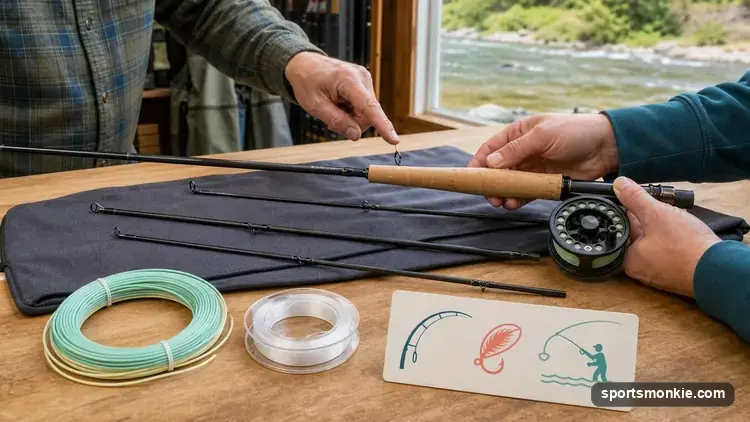
Fly Fishing Rod and Setup: Weight, Length, and Gear Guide
Fly fishing rod and setup guide for beginners: what rod weight means, why 9-foot 5-weight is standard, and what a full starter setup costs.

Ski Boot Flex Explained: How to Choose the Right Stiffness
Ski boot flex describes how much the cuff resists forward movement. Learn what soft, medium and stiff flex mean and how weight, ability and terrain change the choice.

What Weight Bowling Ball Should I Use?
A common guideline is a bowling ball about 10% of your body weight, up to the 16 lb max. How to pick the right weight you can actually control.

How to Break In a Lacrosse Pocket the Right Way
Break in a lacrosse pocket with wall ball, targeted stretching and small string adjustments — and stay inside the NCAA pocket-depth rule while you do it.
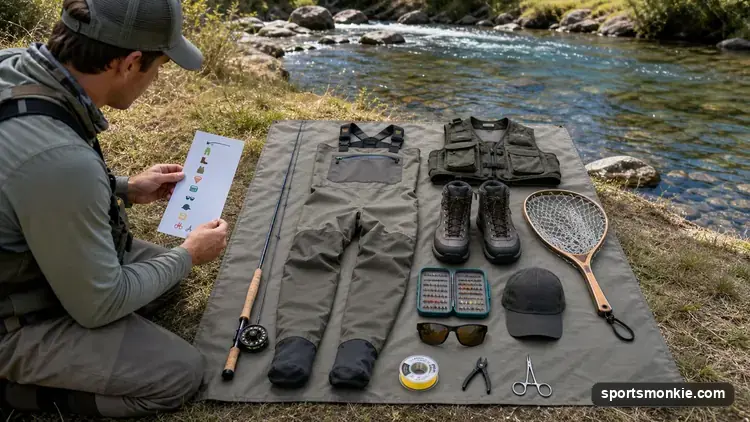
Fly Fishing Gear for Beginners: What You Actually Need
Fly fishing gear for beginners beyond the rod: waders, boots, tools, and a 4-fly starter kit, with real combo prices for the US, UK, AU, and CA.