
Rowing Machine Workout: What Muscles Does It Work?
On this page5
A rowing machine is a full-body conditioning tool. The legs start the drive, the hips and trunk transfer force, and the upper back and arms finish it. The recovery then returns the body to the catch for the next stroke.
Muscles in the drive
At the catch, the knees and hips are flexed and the arms are long. The drive starts by pushing through the footplate with the quadriceps and glutes. The torso stays braced while the seat moves away from the flywheel.
The body swing and finish
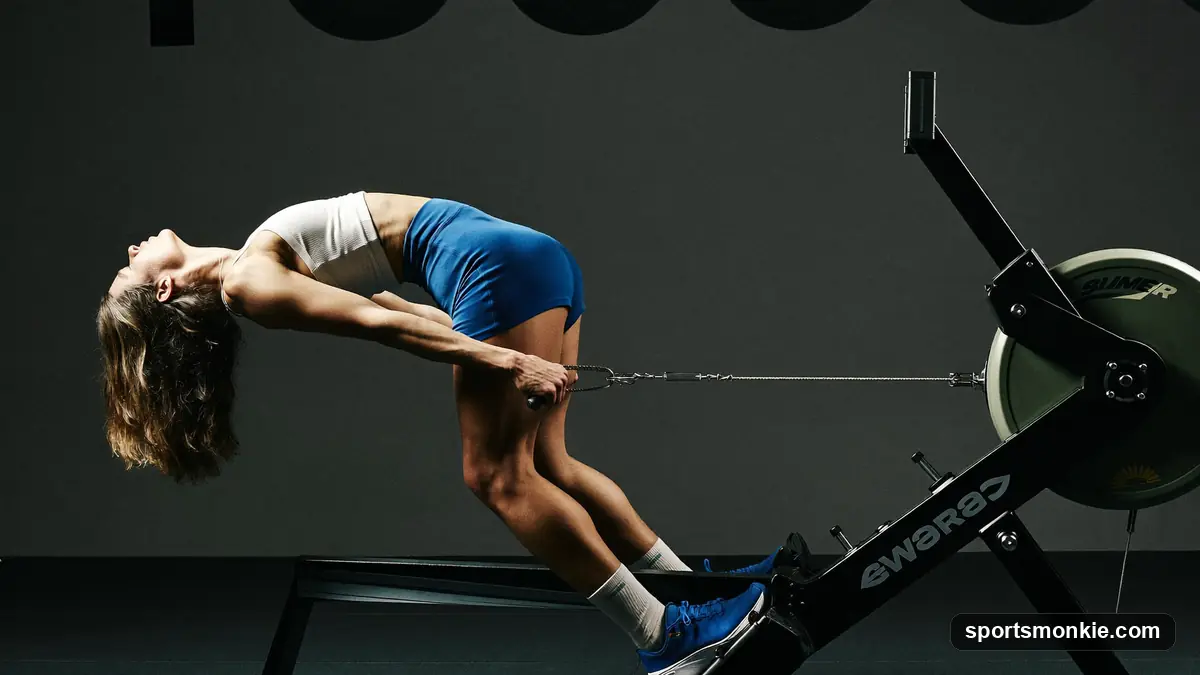
After the legs extend, the hips swing the torso from a forward angle to a slight backward angle. The arms then draw the handle toward the lower ribs. The latissimus dorsi, upper back and biceps assist, but the handle should not be yanked before the legs move.
What recovery trains
Recovery is not a second sprint. Extend the arms, hinge the body forward and then bend the knees. A controlled recovery lets the next drive begin from a repeatable position and reduces wasted movement.
A beginner session
Try five minutes easy, then six rounds of one minute steady and one minute easy. Keep the stroke rate comfortable and stop before technique collapses. Our rowing training guide offers a longer progression, while rowing versus running compares the demands.
Common mistakes
Rounding the lower back, pulling early with the arms and rushing the slide are common errors. Think “legs, body, arms” on the drive and “arms, body, legs” on recovery.
For another equipment explainer, see fly-rod weight. You can compare other gear decisions in direct-drive versus belt-drive and SSI versus PADI.
Frequently asked questions
What muscles does rowing work most?+
The legs and hips create most of the drive, while the back, shoulders and arms complete the stroke and the trunk transfers force.
Is rowing a full-body workout?+
Yes. A correctly sequenced stroke uses the lower body, trunk and upper body in one movement, although the exact emphasis depends on pace and technique.
Does rowing build abs?+
Rowing trains the trunk to brace and transfer force, but visible abdominal definition still depends on overall training and nutrition.
What is the order of a rowing stroke?+
Drive with the legs, swing the body, then draw the handle to the ribs. On recovery, reverse the order: arms, body and then knees.
Can beginners row every day?+
Easy technique practice can be frequent, but hard sessions need recovery. Start with short, controlled rows and increase volume gradually.
Why do my lower back muscles hurt when rowing?+
Pain can come from rounding the spine, opening the body too early or rowing beyond your comfortable range. Stop if pain persists and seek professional advice.
Sources
Play & tools
Free browser games and tools — no account, no download.
- Play today's Sports Connections — Today's Sports Connections — daily hints, answers, and play the grid.
- Play Guess the NFL Player — A new mystery NFL player every day. Eight guesses, with a clue on each — plus free unlimited mode.
- Explore all our games →
Related guides
What Muscles Does a Rowing Machine Work?
What muscles a rowing machine works: the legs drive most of the stroke, then core, back and arms. A full-body breakdown by stroke phase.
Rowing Machine to Lose Weight: Does It Work?
Can a rowing machine help you lose weight? How rowing burns calories, why it's full-body, realistic results, and how to train for fat loss.
Rowing Machine Training: Technique, Muscles, and a Beginner Plan
Rowing machine training explained: the legs-body-arms stroke, which muscles it works, real calorie numbers, and a 4-week beginner workout plan.
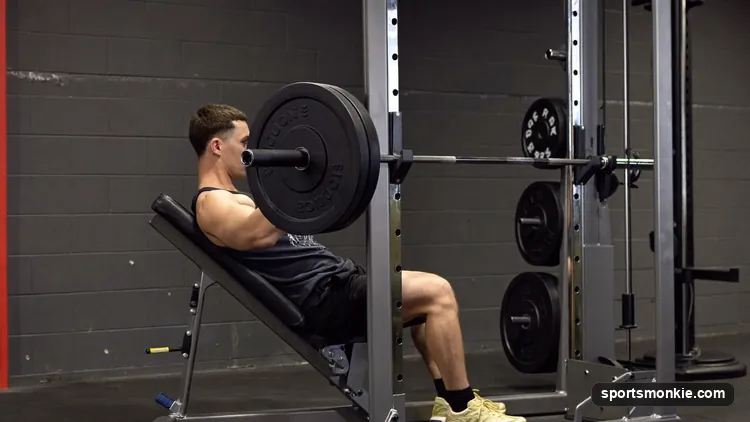
Hack Squat Form: How to Use the Machine Safely, Step by Step
Hack squat form means feet mid-platform and shoulder-width, back and shoulders flat against the pads, knees tracking over the toes, and a controlled drop to thighs-parallel — here are the cues, depth, and mistakes.
How to Breathe While Running: Rhythmic Patterns That Work
How to breathe while running: use rhythmic belly breathing timed to your steps — a 3:2 pattern (inhale 3 steps, exhale 2) for easy runs and 2:1 for hard efforts — breathing through both nose and mouth.

What to Eat After a Run: The Recovery Foods and Timing That Work
What to eat after a run is a mix of carbohydrate and protein, ideally within 30–60 minutes: think a banana with Greek yogurt, chocolate milk, or eggs on toast. Here is how much of each, when, and what to drink.