
Rowing Machine to Lose Weight: Does It Work?
On this page5
A rowing machine can absolutely help you lose weight, because it burns a high number of calories per minute while working nearly every major muscle group at once. That said, weight loss ultimately comes from a sustained calorie deficit, and the rower is an extremely efficient tool for creating one rather than a guarantee on its own. Row consistently, eat sensibly, and the machine does a lot of the heavy lifting.
This guide explains why rowing is so effective for fat loss, roughly how much it burns, how to structure sessions, and the honest limits of what any single piece of cardio equipment can do. It is general fitness information, not medical advice, so speak to a doctor first if you have any health conditions.
Why rowing is efficient for weight loss
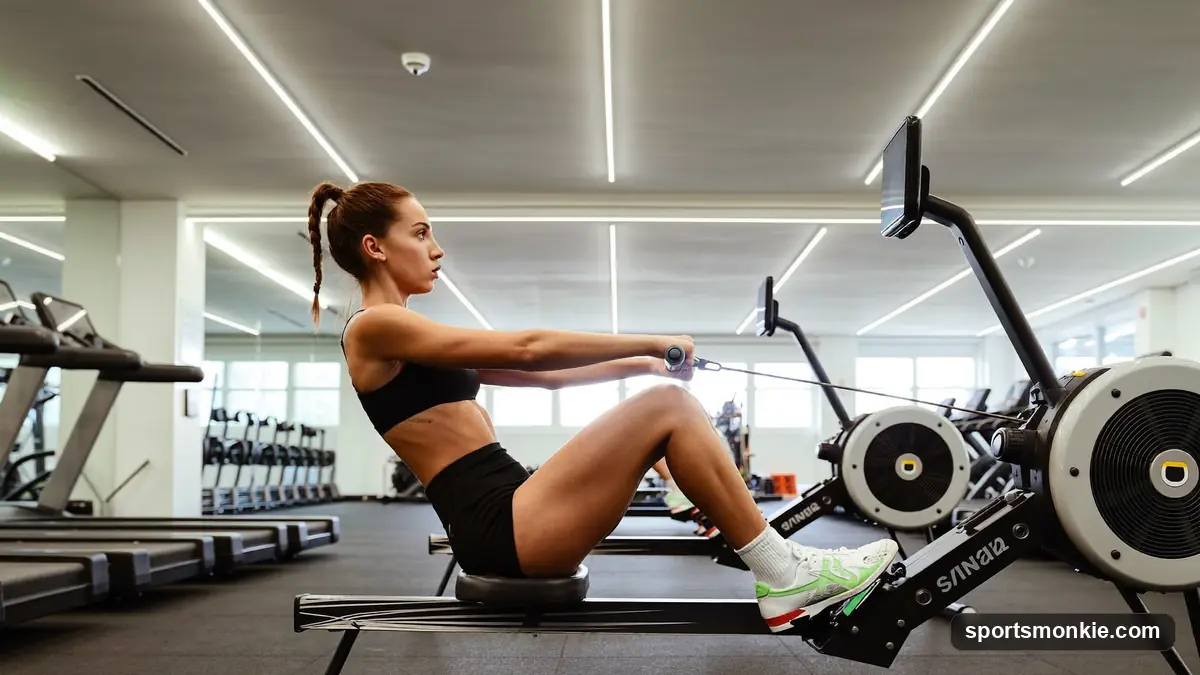
The reason rowing punches above its weight is muscle recruitment. Unlike a stationary bike, which is mostly a leg exercise, a proper rowing stroke drives through the legs first, then the core and back, and finishes with the arms. Because more muscle is doing work, the machine can sustain a high energy cost, and it does so at low impact, which is gentler on the knees and hips than running.
That combination of full-body demand and joint-friendliness makes rowing ideal for people who want to burn a lot of calories without pounding their joints. Beginners, heavier exercisers and anyone returning from injury often find they can row longer than they can run.
How many calories rowing actually burns
Calorie burn depends on your body weight, your intensity and how efficient your stroke is. A vigorous session commonly burns in the low-to-mid hundreds of calories per half hour for a typical adult, with heavier people and harder efforts burning more. Machine readouts are estimates, not lab measurements, so treat them as a rough guide.
What matters for weight loss is the total across a week, not any single workout. Small, repeatable sessions that you actually complete beat occasional brutal ones you dread and skip.
Structuring rowing for fat loss
There is no single correct plan, but a mix of steady-state and interval work tends to work well. Steady rows at a conversational pace build your aerobic base and let you accumulate volume. Intervals, where you alternate hard efforts with easy recovery, raise intensity and keep sessions short and engaging.
| Session type | Rough duration | Effort | Best for |
|---|---|---|---|
| Easy steady row | 20–40 min | Conversational | Building base, beginners |
| Moderate steady row | 30–45 min | Sustainably hard | Weekly calorie volume |
| Intervals | 15–25 min | Hard/easy alternating | Time-efficient burn |
| Long row | 45–60 min | Comfortable | Endurance, big calorie day |
A reasonable weekly target for many people is three to five sessions, building gradually. If you are choosing between machines and modalities, our comparison of rowing vs running breaks down the trade-offs, and our rowing machine training guide covers stroke technique in more detail.
Diet does the deciding
Here is the part fitness marketing tends to skip: you cannot out-train a poor diet. Rowing hard for 30 minutes can be undone in a couple of minutes of eating. The machine creates a calorie deficit only if your food intake stays roughly where it was or drops slightly. Focus on protein, plenty of vegetables, sensible portions and fewer liquid calories, and let rowing widen the gap between calories in and calories out.
Muscle also matters. Because rowing builds lean tissue in the legs, back and core, it helps preserve or grow muscle while you lose fat, which keeps your metabolism healthier than crash dieting alone.
Choosing a machine and being realistic
Home rowers span a wide range, from budget hydraulic models to premium air and magnetic machines, and prices as of 2026 typically run from a few hundred dollars for entry-level units up to a couple of thousand or more for well-known air-resistance and connected models. You do not need the most expensive machine to lose weight; you need one you will use. The Concept2 rowing machine is a widely respected air-resistance option, but any sturdy rower with a comfortable seat and a reliable monitor will do the job.
Set realistic expectations. Sustainable fat loss is generally a gradual process measured over months, not weeks. A rowing machine, used consistently and paired with a modest calorie deficit, is one of the most effective and joint-friendly ways to get there, but the results come from the habit, not the hardware.
Frequently asked questions
How long should I row to lose weight?+
Most general fitness guidance points toward accumulating roughly 150 to 300 minutes of moderate cardio a week, which could be several rowing sessions of 20 to 45 minutes. Beginners should start shorter and build up to avoid burnout and soreness. What matters most is total weekly volume and consistency over months, combined with an eating pattern that keeps you in a modest calorie deficit, rather than any single marathon session.
Is rowing or running better for weight loss?+
Both burn a similar high number of calories per minute at comparable effort, so neither is clearly superior for fat loss; the best one is the one you will actually do consistently. Rowing is lower-impact and works more upper-body muscle, which suits people with sore knees or those who want a full-body workout. Running needs no equipment and is easy to scale. Many people rotate both to stay fresh and avoid overuse.
Will a rowing machine give me a flat stomach?+
Rowing strongly engages the core and can build abdominal and lower-back strength, but you cannot spot-reduce belly fat with any exercise. A flatter stomach comes from losing overall body fat through a sustained calorie deficit, of which rowing can be a big part. Combine regular rowing, general strength work and a sensible diet, and reduced waistline fat tends to follow over weeks and months.
How many calories does rowing burn?+
A vigorous rowing session commonly burns in the low-to-mid hundreds of calories per half hour for a typical adult, with the exact figure depending on your body weight, intensity and stroke efficiency. Heavier people and harder efforts burn more. Treat any machine's calorie readout as an estimate rather than a precise measurement, and focus on effort and consistency instead of chasing an exact number.
Sources
Play & tools
Free browser games and tools — no account, no download.
- Play today's Sports Connections — Today's Sports Connections — daily hints, answers, and play the grid.
- Play Guess the NFL Player — A new mystery NFL player every day. Eight guesses, with a clue on each — plus free unlimited mode.
- Explore all our games →
Related guides

What Muscles Does a Rowing Machine Work?
What muscles a rowing machine works: the legs drive most of the stroke, then core, back and arms. A full-body breakdown by stroke phase.
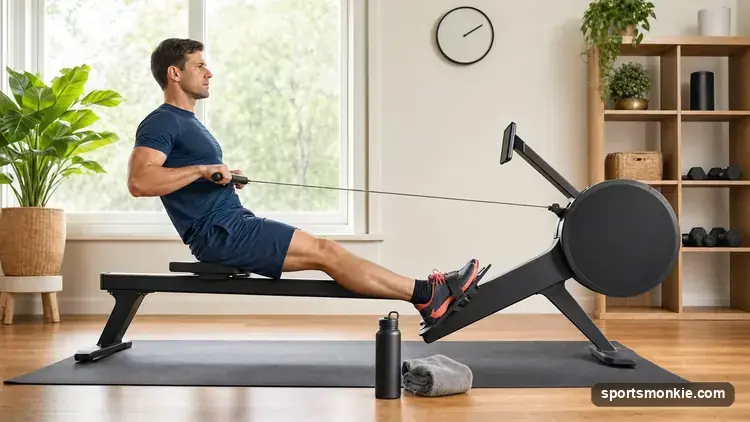
Rowing Machine Training: Technique, Muscles, and a Beginner Plan
Rowing machine training explained: the legs-body-arms stroke, which muscles it works, real calorie numbers, and a 4-week beginner workout plan.

How Does an Expansion Draft Work?
An expansion draft stocks a new team by letting it pick players that existing clubs leave unprotected, under league rules limiting how many each team can shield.

How Does MMA Scoring Work? Judging Explained
MMA judges score each round 10-9 on effective striking, grappling and control. Judging criteria, decision types and how a UFC fight is scored.

How Does Boxing Scoring Work?
Boxing uses the 10-point must system: three judges score each round, the winner gets 10 and the loser 9 or fewer. Knockdowns, 10-8 rounds and reading a scorecard.

How Bowling Scoring Works: Strikes and Spares
How bowling scoring works: a strike is 10 plus your next two balls, a spare is 10 plus your next one, and a perfect game of 300 is 12 strikes.