
Kickboxing Rules: Rulesets and Allowed Strikes
On this page4
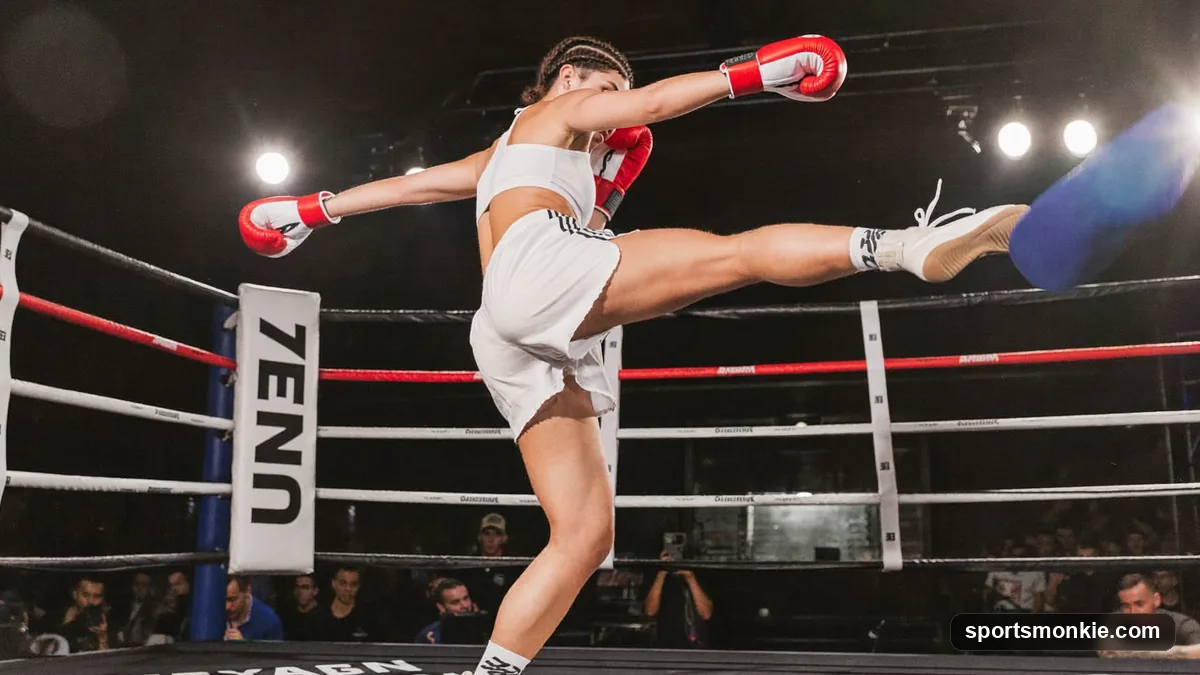
Kickboxing is a stand-up combat sport built on punches and kicks, but there is no single global ruleset — the rules change depending on the organisation. The main styles are K-1, full-contact (American) and low-kick, and most of them ban elbows and sustained clinch work, which is the biggest thing separating kickboxing from Muay Thai.
That variety is the first thing to understand: two fights both billed as “kickboxing” can allow very different techniques. Here is how the major rulesets differ, what strikes each permits, and how rounds and scoring work.
The main kickboxing rulesets
Because kickboxing grew out of several traditions at once, the rules were never fully unified. These are the styles you are most likely to see.
| Ruleset | Kicks | Clinch | Elbows |
|---|---|---|---|
| Full-contact (American) | Above the waist only | No | No |
| Low-kick | Above waist + leg kicks | No | No |
| K-1 | Above waist + leg kicks + knees | Brief only | No |
| Oriental / K-1 hybrid | Full leg and body kicks + knees | Brief only | Usually no |
Full-contact, the classic American style, allows punches and kicks above the waist and nothing below. Low-kick rules add kicks to the legs. K-1 — the most popular international format — layers in knee strikes and a brief clinch that the referee quickly breaks. Across almost all of them, elbows are illegal.
What’s allowed, what’s not
The shared core of every kickboxing ruleset is punches and kicks. Beyond that, the permissions widen or narrow by style:
- Punches — jabs, crosses, hooks and uppercuts, legal in every ruleset.
- Kicks — always to the body and head; to the legs only under low-kick and K-1 rules.
- Knees — allowed in K-1 and similar formats, banned in full-contact.
- Elbows — banned in standard kickboxing (the key contrast with Muay Thai).
- Clinch — none in full-contact and low-kick; a brief clinch in K-1 before the referee breaks it.
Head-butts, groin strikes, strikes to a downed opponent, and grappling-style throws are fouls in every ruleset, drawing warnings or point deductions from the referee.
Rounds and scoring
Rounds are typically three minutes with a one-minute rest. Non-title fights are usually three rounds, championship bouts often five, though this varies by promotion. Some tournament formats — the classic K-1 Grand Prix among them — run three-round bouts with an extra round to break a draw, so a fighter can compete several times in a single night.
Scoring generally uses the 10-point must system, rewarding clean, effective striking, aggression and ring control. Because the clinch is limited or absent, kickboxing scoring leans on visible striking exchanges rather than the clinch-and-knee dominance that decides Muay Thai rounds.
How kickboxing differs from Muay Thai
The two sports look similar and overlap on punches and kicks, but the differences are real. Muay Thai is the art of eight limbs, allowing elbows, knees and a sustained clinch that fighters can dominate for a full round. Most kickboxing bans elbows and permits only a brief clinch or none at all. Kickboxing is also an umbrella of rulesets, while Muay Thai is a single tradition with a settled set of rules.
For a full side-by-side breakdown of the weapons, clinch work and scoring philosophy, see our comparison of Muay Thai vs kickboxing. And if you want to see how stand-up striking translates into the cage, the striking backgrounds of many fighters in our roundup of undefeated UFC fighters trace back to kickboxing and Muay Thai gyms.
The short version: kickboxing combines punches and kicks across several rulesets — full-contact, low-kick and K-1 — most of which ban elbows and sustained clinch work, making it a leaner striking ruleset than Muay Thai’s eight-limb game.
Frequently asked questions
What strikes are allowed in kickboxing?+
Punches and kicks are the core weapons, but exactly which are legal depends on the ruleset. Full-contact rules allow strikes above the waist only. K-1 rules add low kicks to the legs, knee strikes and a brief clinch. Almost all kickboxing bans elbow strikes and sustained clinch grappling, which separates it from Muay Thai. Head-butts, groin strikes and hitting a downed opponent are fouls everywhere.
What is the difference between K-1 and kickboxing?+
K-1 is a specific kickboxing ruleset, not a separate sport. It allows punches, kicks including low kicks to the legs, and knee strikes, but limits the clinch to a brief moment before the referee breaks it and bans elbows. 'Kickboxing' is the umbrella term; K-1 rules are one of the most popular versions worldwide, alongside full-contact and low-kick formats.
Are elbows allowed in kickboxing?+
Generally no. Most kickboxing rulesets — full-contact, American and K-1 — prohibit elbow strikes. This is one of the clearest differences from Muay Thai, where elbows are a legal signature weapon. A few hybrid or promotion-specific rulesets permit padded or limited elbows, but the standard expectation in kickboxing is that elbows are illegal.
How many rounds are in a kickboxing match?+
Rounds are usually three minutes long, with a one-minute rest. Non-title fights are commonly three rounds, and championship bouts are often five, though this varies by organisation. Some tournament formats, like the classic K-1 Grand Prix, run three-round bouts with an extra round if the fight is scored a draw, so fighters can compete multiple times in one night.
How is kickboxing scored?+
Kickboxing is scored round by round, usually on the 10-point must system, rewarding effective, clean striking, aggression and ring control. Judges favour the fighter landing the more damaging and accurate punches and kicks. Because most kickboxing limits the clinch, scoring leans more on visible striking exchanges than the clinch-and-knee dominance that shapes Muay Thai scoring.
Is kickboxing the same as Muay Thai?+
No. Muay Thai is the 'art of eight limbs', allowing elbows, knees and sustained clinch fighting, while most kickboxing bans elbows and only allows a brief or no clinch. Kickboxing is also an umbrella of rulesets rather than one tradition. They overlap on punches and kicks, but the extra weapons and clinch work make Muay Thai the broader striking ruleset.
Sources
Play & tools
Free browser games and tools — no account, no download.
- Play today's Sports Connections — Today's Sports Connections — daily hints, answers, and play the grid.
- Play Guess the NFL Player — A new mystery NFL player every day. Eight guesses, with a clue on each — plus free unlimited mode.
- Explore all our games →
Related guides
Muay Thai Rules: The Art of Eight Limbs Explained
Muay Thai lets fighters strike with fists, elbows, knees and shins, plus clinch work. Rounds, scoring and the rules of the art of eight limbs explained.

Muay Thai vs Kickboxing: What's the Difference?
Muay Thai allows elbows, knees and clinch fighting; most kickboxing bans elbows and limits the clinch. Differences in strikes, rounds and scoring.
Boxing Weight Classes in Order: All 17 Divisions
Professional boxing has 17 weight classes, from minimumweight (105 lb) to heavyweight. Every division in order with limits in pounds and kilograms.
How Long Are Boxing Rounds? Length & Rest Times
Men's boxing rounds are three minutes with a one-minute rest; women's rounds are usually two minutes. Round length, rest and total fight time explained.

How Many Rounds Are in a UFC Fight?
Most UFC fights are three rounds of five minutes; title fights and main events are five rounds. UFC round counts, round length and rest explained.

How Many Rounds Are in a Boxing Match?
Professional title fights are 12 rounds, non-title bouts 4–10, and amateur fights 3 rounds. Round counts explained, plus why boxing dropped 15-round bouts.