
Boxing Weight Classes in Order: All 17 Divisions

On this page4
Professional boxing has 17 weight classes, running in order from minimumweight at 105 lb (47.6 kg) up to heavyweight, which has no upper limit and starts above 200 lb (90.7 kg). Between those extremes sit the divisions most fans know — lightweight, welterweight, middleweight — plus a set of “super” and “junior” classes wedged in to keep the size gaps small.
The count of 17 surprises people who grew up hearing about eight classic divisions. Those eight still anchor the sport, but a century of added in-between classes filled out the ladder. Here is every division in order, with limits in pounds and kilograms, and how the naming actually works.
Every boxing weight class in order
The table lists all 17 divisions from lightest to heaviest, with the upper weight limit for each. The four major sanctioning bodies (WBC, WBA, IBF, WBO) recognise this ladder, each crowning its own champion per division.
| Division | Weight limit |
|---|---|
| Minimumweight | 105 lb (47.6 kg) |
| Light flyweight | 108 lb (49.0 kg) |
| Flyweight | 112 lb (50.8 kg) |
| Super flyweight | 115 lb (52.2 kg) |
| Bantamweight | 118 lb (53.5 kg) |
| Super bantamweight | 122 lb (55.3 kg) |
| Featherweight | 126 lb (57.2 kg) |
| Super featherweight | 130 lb (59.0 kg) |
| Lightweight | 135 lb (61.2 kg) |
| Super lightweight | 140 lb (63.5 kg) |
| Welterweight | 147 lb (66.7 kg) |
| Super welterweight | 154 lb (69.9 kg) |
| Middleweight | 160 lb (72.6 kg) |
| Super middleweight | 168 lb (76.2 kg) |
| Light heavyweight | 175 lb (79.4 kg) |
| Cruiserweight | 200 lb (90.7 kg) |
| Heavyweight | No limit (above 200 lb / 90.7 kg) |
The eight traditional classes, plus the fillers
The original core — flyweight, bantamweight, featherweight, lightweight, welterweight, middleweight, light heavyweight and heavyweight — dates back to boxing’s early codification. Everything else was added later to soften the jumps between them. A fighter who was too big for lightweight but gave away real size at welterweight now has super lightweight (140 lb) as a home.
That is why the ladder alternates between familiar names and “super” or “junior” variants. Super featherweight and junior lightweight, for instance, are the same 130 lb division under two labels; which name you hear depends on the sanctioning body and the region. The weight is identical either way.
Why the naming gets confusing
Boxing’s biggest quirk is that one weight can carry two names. “Super” attaches below a traditional class and “junior” above it, so:
- Super flyweight = junior bantamweight (115 lb)
- Super lightweight = junior welterweight (140 lb)
- Super welterweight = junior middleweight (154 lb)
Both names describe the exact same limit. American broadcasters have historically leaned on “junior,” while the WBC and much of the wider sport prefer “super.” It is a labelling difference, not a weight difference, and it trips up newcomers constantly.
The open division at the top
Heavyweight is the outlier. Every other class has a firm ceiling, but heavyweight has none — a boxer only needs to weigh more than the 200 lb cruiserweight limit to qualify. That open-ended design is unique to boxing among major combat sports; the UFC caps its heavyweight class at 265 lb, while boxing lets its biggest men weigh whatever they naturally carry.
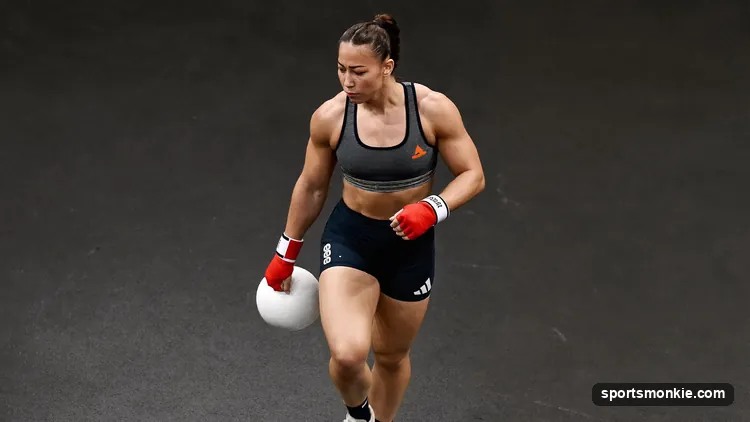
Making weight in the lower divisions is its own discipline, and the harder a fighter squeezes toward a limit the more they rely on the weight-cutting tactics common across combat sports. The number of rounds a champion must survive at that weight is fixed too — our guide to how many rounds a boxing match lasts covers the 12-round title distance.
For a sense of the fighters who ruled these divisions, our list of the greatest boxers of all time spans champions from featherweight up to heavyweight, showing how skill translates across the whole ladder.
The short version: boxing has 17 weight classes from 105 lb minimumweight to an uncapped heavyweight above 200 lb, with “super” and “junior” divisions filling the gaps between the eight traditional classes — and the same weight often carrying two different names.
Related topic guides
Frequently asked questions
How many weight classes are there in boxing?+
Professional boxing has 17 weight classes. The number grew over the 20th century as sanctioning bodies added 'super' and 'junior' divisions between the eight traditional classes to reduce the size gap fighters faced. The four major bodies — WBC, WBA, IBF and WBO — all recognise the same 17 divisions, though they occasionally use different names for the same weight.
What is the lightest weight class in boxing?+
Minimumweight, also called strawweight or mini flyweight, is the lightest at 105 lb (47.6 kg). It sits below light flyweight (108 lb) and flyweight (112 lb). The division is most competitive in Asia and Latin America, where many of the sport's smallest world champions come from, and it rarely features on major pay-per-view cards.
What weight is a welterweight boxer?+
A welterweight boxer weighs up to 147 lb (66.7 kg). It is one of boxing's marquee divisions, home to many of the sport's biggest stars, and sits between super lightweight (140 lb) and super welterweight (154 lb). The 147 lb limit has been the traditional welterweight ceiling for over a century.
Why does boxing have so many weight classes?+
Boxing added divisions to keep fights fair as the sport professionalised. A few pounds can be a significant strength and reach advantage, so 'super' and 'junior' classes were slotted between the original eight to narrow those gaps. More divisions also mean more championship belts, which benefits promoters and sanctioning bodies commercially as well as protecting fighters.
What is the difference between super and junior in boxing?+
They are two names for the same in-between divisions. 'Super' is added below a class name and 'junior' above it, so super featherweight and junior lightweight are identical — both cap at 130 lb (59.0 kg). Different sanctioning bodies and regions prefer different labels, which is why the same weight appears under two names depending on who is promoting the fight.
Does heavyweight have a weight limit in boxing?+
No. Heavyweight is boxing's only open division, with no upper limit — a fighter simply has to weigh more than the cruiserweight ceiling of 200 lb (90.7 kg) to qualify. This is a key difference from the UFC, which caps its heavyweight class at 265 lb. In boxing, the biggest heavyweights can weigh well over 250 lb with no rule against it.
Sources
Play & tools
Free browser games and tools — no account, no download.
- Play today's Sports Connections — Today's Sports Connections — daily hints, answers, and play the grid.
- Play Guess the NFL Player — A new mystery NFL player every day. Eight guesses, with a clue on each — plus free unlimited mode.
- Explore all our games →
Related guides

UFC Weight Classes Explained: All 12 Divisions
The UFC has eight men's and four women's weight classes, from flyweight (125 lb) to heavyweight (265 lb). Full limits in pounds and kilograms.

Women's UFC Weight Classes: All Four Divisions
The women's UFC has four weight classes: strawweight (115 lb), flyweight (125 lb), bantamweight (135 lb) and featherweight (145 lb). Limits in lb and kg.

MMA Weight Classes Explained: Full Division List
MMA uses nine standard weight classes from strawweight (115 lb) to heavyweight (265 lb) under the Unified Rules. Full limits in pounds and kilograms.

How Long Are Boxing Rounds? Length & Rest Times
Men's boxing rounds are three minutes with a one-minute rest; women's rounds are usually two minutes. Round length, rest and total fight time explained.

How Many Rounds Are in a Boxing Match?
Professional title fights are 12 rounds, non-title bouts 4–10, and amateur fights 3 rounds. Round counts explained, plus why boxing dropped 15-round bouts.
Weight Cutting in Combat Sports Explained
Weight cutting is shedding water weight to make a lower class, then rehydrating. How fighters cut weight, the risks, and rehydration explained.