
Muay Thai Rules: The Art of Eight Limbs Explained
On this page5
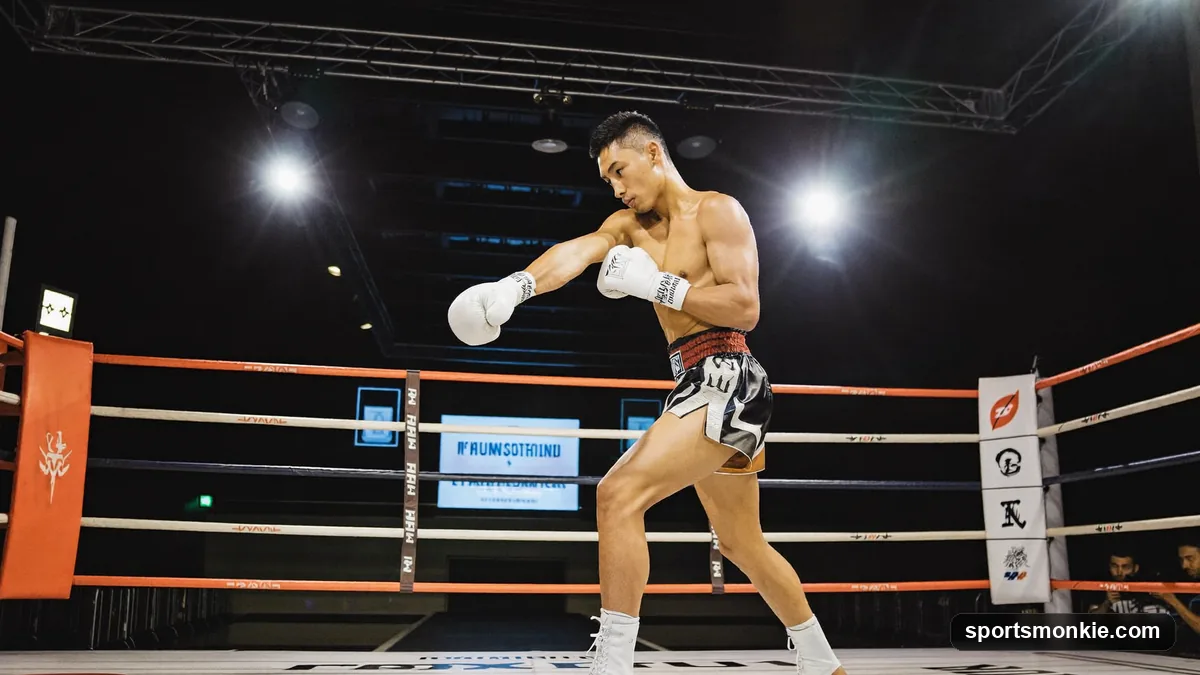
Muay Thai is called the “art of eight limbs” because fighters can strike with eight points of contact — two fists, two elbows, two knees and two shins — and can also fight in the clinch, grabbing and controlling an opponent to land knees and short strikes. A professional bout runs five three-minute rounds, and scoring rewards damage and dominance rather than punch count.
That eight-weapon arsenal is what sets Muay Thai apart from boxing and most kickboxing, and it makes the sport one of the most complete stand-up striking arts in the world. Here is how the rules, rounds, scoring and clinch actually work, and what separates a legal weapon from a foul.
The eight weapons
The nickname is literal. Where boxing uses two fists and many kickboxing rulesets add the two feet, Muay Thai legalises eight striking surfaces.
| Weapon | How it’s used |
|---|---|
| Fists | Jabs, crosses, hooks and uppercuts, as in boxing |
| Elbows | Short, cutting strikes at close range |
| Knees | Driven in the clinch or as a step-in strike |
| Shins | The striking surface for kicks to legs, body and head |
Fighters kick with the shin rather than the foot, which is why Muay Thai training involves so much shin conditioning. The elbows and knees are the weapons most other striking sports leave out, and they are central to the Thai style.
Rounds and timing
A professional Muay Thai fight is five rounds of three minutes, with a two-minute rest between rounds — a longer rest than boxing’s one minute. The five-round distance shapes the strategy: the first round is traditionally a cautious feeling-out period, the fight builds through the middle rounds, and the third and fourth are often where the bout is decided. That structure matters for scoring, because judges weight the later rounds most heavily.
Amateur and some international promotional formats trim the fight to three rounds, but the traditional professional bout is five. This differs from the three-to-five-round MMA structure and from boxing’s 12-round championship distance.
How Muay Thai is scored
Muay Thai scoring is about effectiveness and damage, not volume. Judges score each round on:
- Effective, damaging strikes — clean kicks, knees, elbows and punches that visibly affect the opponent.
- Dominance and balance — staying composed and in control while the opponent is off-balance or hurt.
- Clinch control — winning the close-range battle and landing knees from it.
- Ring generalship — dictating the pace and forcing the opponent to react.
A fighter who lands fewer but more damaging strikes, stays balanced, and controls the clinch will beat a busier opponent who lands lighter, less effective blows. This is a genuinely different scoring philosophy from Western boxing’s 10-point must system, even though Muay Thai also scores rounds on a 10-point scale — the emphasis on cumulative damage and dominance over the full five rounds is distinctly Thai.
The clinch
The clinch is where Muay Thai looks least like other striking sports. Fighters grab each other’s neck (the “plum” or double collar tie), arms and body to control position, then land knees, short elbows and off-balancing sweeps. Crucially, the referee does not break the clinch the way a boxing referee does — sustained clinch work is legal and heavily rewarded. A fighter who dominates the clinch, landing knees and dumping the opponent off balance, can win rounds without throwing a single long-range strike.
Fouls and what’s banned
Not everything goes. Head-butts, bites, eye-gouging, groin strikes and hitting a downed opponent are fouls, and judo- or wrestling-style slams are illegal, though Muay Thai sweeps from the clinch are fine. The referee can issue warnings and deduct points for fouls, and deliberate or repeated fouling can bring disqualification.
The clearest way to understand Muay Thai’s rules is to compare them with the sport they are most often confused with. Our guide to Muay Thai vs kickboxing lays out the differences in allowed strikes, clinch work and scoring side by side, and the kickboxing rules explainer covers the rulesets that ban the elbows and clinch Muay Thai is built around.
For readers who want to see how eight-limb striking translates into elite mixed martial arts, many of the fighters in our roundup of undefeated UFC fighters built their stand-up on a Muay Thai base.
The short version: Muay Thai lets fighters strike with fists, elbows, knees and shins and fight in a sustained clinch, over five three-minute rounds scored on damage and dominance — the fullest stand-up striking ruleset in combat sports.
Frequently asked questions
Why is Muay Thai called the art of eight limbs?+
Because fighters can strike with eight points of contact: two fists, two elbows, two knees and two shins. Most striking arts use only fists (boxing) or fists and feet (many kickboxing rulesets). Muay Thai adds elbows and knees as legal weapons, giving eight 'limbs' in total, which is why it is nicknamed the art of eight limbs.
How many rounds are in a Muay Thai fight?+
A professional Muay Thai bout is five rounds of three minutes each, with a two-minute rest between rounds. The five-round distance is standard in Thailand and most international Muay Thai. Amateur and some promotional formats use three rounds, but the traditional professional fight is five, which shapes the pacing — the first round is often a feeling-out period.
How is Muay Thai scored?+
Muay Thai is scored round by round on effective damage, dominance and technique rather than raw punch count. Judges reward clean, powerful strikes that visibly affect the opponent, balance and control in the clinch, and ring generalship. Kicks and knees to the body and head are valued highly, and a fighter who stays composed while landing the more damaging strikes wins the round.
What is the clinch in Muay Thai?+
The clinch is close-range grappling where fighters grab each other's neck, arms or body to control position and land knees, short elbows and off-balancing sweeps. Unlike boxing, where the referee quickly breaks a clinch, Muay Thai allows sustained clinch work, and dominating it is a major scoring factor. Mastery of the clinch is one of the skills that separates elite Muay Thai fighters.
Are elbows allowed in Muay Thai?+
Yes. Elbow strikes are legal and a signature weapon of Muay Thai, often used at close range to cut opponents or end fights. This is a key difference from most kickboxing rulesets, which ban elbows. Some international promotions and amateur formats restrict or pad elbows for safety, but in traditional professional Muay Thai the elbow is a fully legal strike.
What is not allowed in Muay Thai?+
Head-butting, biting, eye-gouging, strikes to the groin and attacking a downed opponent are all fouls. Throws that resemble judo or wrestling slams are not permitted, though Muay Thai sweeps and off-balancing from the clinch are legal. Fouls can draw warnings and point deductions from the referee, and repeated or deliberate fouls can lead to disqualification.
Sources
Play & tools
Free browser games and tools — no account, no download.
- Play today's Sports Connections — Today's Sports Connections — daily hints, answers, and play the grid.
- Play Guess the NFL Player — A new mystery NFL player every day. Eight guesses, with a clue on each — plus free unlimited mode.
- Explore all our games →
Related guides

Kickboxing Rules: Rulesets and Allowed Strikes
Kickboxing combines punches and kicks, with rules varying by org. K-1, full-contact and low-kick rulesets, plus how it differs from Muay Thai.

Muay Thai vs Kickboxing: What's the Difference?
Muay Thai allows elbows, knees and clinch fighting; most kickboxing bans elbows and limits the clinch. Differences in strikes, rounds and scoring.
Boxing Weight Classes in Order: All 17 Divisions
Professional boxing has 17 weight classes, from minimumweight (105 lb) to heavyweight. Every division in order with limits in pounds and kilograms.
How Long Are Boxing Rounds? Length & Rest Times
Men's boxing rounds are three minutes with a one-minute rest; women's rounds are usually two minutes. Round length, rest and total fight time explained.
How Many Rounds Are in a UFC Fight?
Most UFC fights are three rounds of five minutes; title fights and main events are five rounds. UFC round counts, round length and rest explained.

How Many Rounds Are in a Boxing Match?
Professional title fights are 12 rounds, non-title bouts 4–10, and amateur fights 3 rounds. Round counts explained, plus why boxing dropped 15-round bouts.