
Bare-Knuckle Boxing Rules, Explained
On this page6
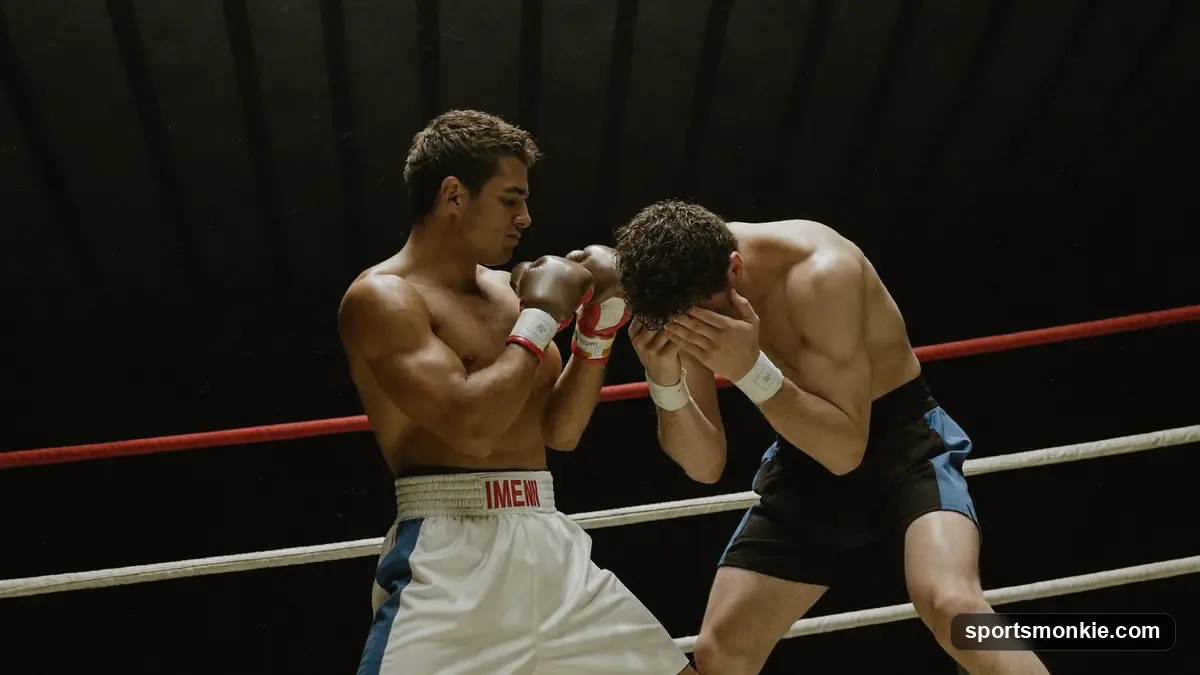
Bare-knuckle boxing is a combat sport in which fighters punch with unwrapped fists, no boxing gloves, under a formal set of rules. In the leading modern promotion, the Bare Knuckle Fighting Championship (BKFC), bouts are five two-minute rounds fought in a circular ring, and each round begins with the fighters squared off at a “toe line” in the center.
For all the raw imagery the name conjures, modern bare-knuckle boxing is a regulated, sanctioned sport with weight classes, medical checks and athletic-commission oversight, not an unregulated brawl. It descends from the bare-fisted prizefighting that predates gloved boxing, but the version fought today follows a clear rulebook. Here is how those rules work, what is legal, and what is strictly banned.
The format: rounds, ring and the toe line
BKFC bouts are contested over five rounds of two minutes each, with a one-minute rest between rounds (championship bouts may go longer). Fighters compete in a circular ring often called the “Squared Circle,” which is smaller and rounder than a traditional four-cornered boxing ring, encouraging constant engagement.
The signature element is the toe line. At the start of each round, the two fighters must come to marked lines in the center of the ring and face each other at close range before the action begins. It is a nod to the old-time “scratch line” of historic prizefighting and guarantees every round opens with an immediate confrontation rather than tentative circling.
The hands: bare knuckles, wrapped wrists
The defining rule is right there in the name: the knuckles are bare. Fighters may wrap and tape the wrist and part of the hand for support, but only up to a point set behind the knuckles, so the actual striking surface, the front of the fist, is exposed. There are no gloves and no padding over the knuckles.
This is why the sport looks and feels different from gloved boxing. Without padding, cuts and facial damage appear more readily, and fighters must be more precise, and more protective of their own hands, when they throw.
What is legal and what is banned
Bare-knuckle boxing is a punches-only sport. The list of prohibited actions is long and is what keeps it stand-up boxing rather than a mixed discipline.
| Action | Allowed in bare-knuckle boxing? |
|---|---|
| Punches to the head and body | Yes |
| Wrapping/taping wrist behind the knuckles | Yes |
| Kicks and knees | No |
| Elbows and headbutts | No |
| Takedowns, throws, wrestling | No |
| Ground fighting / grappling | No |
| Sustained clinching or holding | No (referee separates) |
Reading down the table, everything that makes mixed martial arts a grappling-and-striking hybrid is stripped out. If fighters clinch, the referee breaks them apart quickly. The intent is to keep two people trading clean punches, which is a big reason bare-knuckle bouts tend to be fast, aggressive and short.
How a fight is won
A bare-knuckle bout ends the same ways a gloved one does:
- Knockout (KO): an opponent is knocked down and cannot continue.
- Technical knockout (TKO): the referee, a corner, or the ringside doctor stops the fight because a fighter can no longer safely defend themselves.
- Decision: if the bout goes the distance, judges score it and declare a winner.
Because the format is short and the fists are bare, finishes come more suddenly than many fans expect, but the scoring logic for a decision, rewarding effective, clean, aggressive punching, mirrors the principles used to judge gloved boxing. Our explainer on how boxing scoring works walks through that ten-point system, which the bare-knuckle version broadly follows.
Safety, regulation and who can compete
The single biggest misconception is that bare-knuckle boxing is unregulated. In practice, sanctioned events require licensed professional fighters, pre-fight medicals, weight classes and commission approval, the same infrastructure that governs boxing and MMA. Members of the public cannot simply turn up and fight; competitors are typically experienced strikers crossing over from boxing or mixed martial arts.
That crossover is common. Many bare-knuckle fighters have backgrounds in gloved boxing or the cage, and the sport’s stylistic demands, precise punching, chin durability, fast starts, reward those pedigrees. Fans who follow the wider combat-sports world, from southpaw boxers to the sport’s undefeated UFC fighters, will recognise many of the names who step onto the toe line.
The bottom line
Bare-knuckle boxing is exactly what it sounds like, boxing without gloves, but with a modern, structured rulebook around it. Five two-minute rounds, a toe-line start, bare knuckles over wrapped wrists, punches only, and finishes by KO, TKO or decision. It is faster and bloodier-looking than gloved boxing, yet it is governed, sanctioned and matched with the same care, a raw sport with a surprisingly strict frame around it.
Frequently asked questions
Can anyone fight in bare-knuckle boxing?+
No. To compete in a sanctioned promotion like BKFC, a fighter must be a licensed professional approved by the relevant athletic commission, pass medical and pre-fight screening, and be matched by weight class and experience. Promotions vet a fighter's background, often in boxing or MMA, before offering a bout. It is a regulated professional sport, not an open free-for-all, so a member of the public cannot simply sign up to fight.
How do bare-knuckle fighters not break their hands?+
They can and sometimes do, but several factors reduce it. Fighters are allowed to wrap and tape the wrist and hand up to a line behind the knuckles for support, keeping only the striking surface bare. They also adapt technique, throwing with slightly different angles and targets than gloved boxers to protect the small bones of the hand. Even so, hand and facial cuts are more common than in gloved boxing, which is part of the sport's character.
Are takedowns allowed in bare-knuckle boxing?+
No. Bare-knuckle boxing under BKFC rules is a striking-only, punches-only sport. Takedowns, throws, wrestling and ground fighting are all prohibited, as are kicks, knees, elbows and headbutts. If fighters clinch, the referee separates them quickly so the action stays as stand-up boxing. This is a key difference from mixed martial arts, which permits takedowns and grappling.
What happens if you clinch or hold in bare-knuckle boxing?+
Clinching is not a legal way to fight; the referee steps in and breaks fighters apart to keep the bout as clean stand-up boxing. Holding an opponent to smother punches, grabbing, or wrestling for position is not allowed and can draw a warning. The rules are designed to keep fighters trading punches rather than tying each other up, which is one reason bare-knuckle bouts tend to be fast and action-heavy.
Sources
Play & tools
Free browser games and tools — no account, no download.
- Play today's Sports Connections — Today's Sports Connections — daily hints, answers, and play the grid.
- Play Guess the NFL Player — A new mystery NFL player every day. Eight guesses, with a clue on each — plus free unlimited mode.
- Explore all our games →
Related guides
Why Do Boxers Hug? The Clinch Explained
Boxers hug to clinch, a legal tactic used to rest, kill an opponent's momentum and smother punches. Why fighters clinch, what it's called and the rules.
The 10-Point Must System Explained
The 10-point must system scores each round 10 to the winner, 9 or fewer to the loser. How it works in boxing and MMA, with 10-8 and 10-7 rounds.
How Does MMA Scoring Work? Judging Explained
MMA judges score each round 10-9 on effective striking, grappling and control. Judging criteria, decision types and how a UFC fight is scored.
How Many Rounds Are in a UFC Fight?
Most UFC fights are three rounds of five minutes; title fights and main events are five rounds. UFC round counts, round length and rest explained.
MMA Weight Classes Explained: Full Division List
MMA uses nine standard weight classes from strawweight (115 lb) to heavyweight (265 lb) under the Unified Rules. Full limits in pounds and kilograms.
TKO vs KO: What's the Difference?
A KO is a knockout by count; a TKO is a technical knockout stopped by the referee, doctor or corner. The difference explained, plus technical decisions.