
Who Invented Lacrosse? The Origins

On this page4
Lacrosse was invented by the Indigenous peoples of North America, most closely associated with the Eastern Woodlands nations such as the Haudenosaunee (Iroquois) and Algonquian-speaking peoples, who played early forms of the game for centuries before Europeans arrived. No single person invented it; it grew out of Indigenous stickball traditions and, among the Haudenosaunee, is revered as the “Creator’s Game.”
That makes lacrosse’s origins cultural and spiritual as much as athletic, and it is why the sport is widely regarded as the oldest team sport in North America. Here is the fuller story of where lacrosse came from, how it got its name, and how it became the codified game played around the world today.
The Indigenous origins
Long before European contact, nations across what is now the eastern United States and Canada played ball-and-stick games that are the direct ancestors of modern lacrosse. These were not casual pastimes. Games held profound meaning, played for ceremony, spiritual healing, thanksgiving to the Creator, the training of young men, and even as a way to settle disputes between communities without war.
The scale could be astonishing. Traditional matches sometimes involved hundreds, even up to a thousand, players on each side, contested across open country with goals miles apart and games lasting from sunrise to sunset. Rules varied from nation to nation, but the shared idea, moving a small ball toward a goal using a netted stick, was consistent enough that Europeans recognized it as a single tradition.
Why it is called “lacrosse”
The name comes from French settlers and missionaries in the 1600s, not from the Indigenous peoples who created the game. French observers, including Jesuit missionaries, described the sport in their writings, and the commonly cited explanation is that the curved, netted stick reminded them of a bishop’s crosier, a hooked ceremonial staff, called “la crosse” in French. The word attached to the game and eventually became its universal name.
Different nations, of course, had their own names in their own languages, many of which translate to phrases honoring its sacred role. The Haudenosaunee term reflects its status as a gift from the Creator, which is why “the Creator’s Game” endures as a description.
From sacred tradition to codified sport
The modern, standardized game took shape in Canada in the 1800s. The pivotal figure was William George Beers, a Montreal dentist often called the father of modern lacrosse. In the 1860s he wrote down formal rules, defined the size of the field and the number of players, and helped introduce a rubber ball, transforming a fluid Indigenous tradition into a structured sport with clubs and competitions.
| Era | What lacrosse looked like |
|---|---|
| Pre-contact (centuries ago) | Indigenous ceremonial game, hundreds of players, huge fields |
| 1630s onward | French settlers observe and name it “la crosse” |
| 1860s | William George Beers codifies modern rules in Canada |
| Modern day | Governed by World Lacrosse, played across the globe |
From Canada the codified game spread through North America and beyond, splitting into the field and box (indoor) versions played today. If you are new to how the modern game is played, our lacrosse rules for beginners covers the essentials, and box lacrosse vs field lacrosse explains the two main formats that grew out of this history.
A living heritage
Crucially, lacrosse is not just a historical curiosity for the nations who created it. The Haudenosaunee continue to treat it as sacred and compete internationally as the Haudenosaunee Nationals, a source of enormous pride and a reminder that the sport’s Indigenous heritage is living, not past. As lacrosse grows globally and returns to the Olympic stage, its origins remain central to its identity.
The short version: lacrosse was invented by the Indigenous peoples of North America, especially the Haudenosaunee and other Eastern Woodlands nations, who played it as a sacred game centuries before Europeans arrived. French settlers gave it the name “lacrosse,” and Canadian William George Beers codified the modern rules in the 1860s, but the game’s deepest roots, and its enduring meaning, belong to the Native nations who created it.
Want more on the theme? Read The Lacrosse Medicine Game next.
Frequently asked questions
What people invented lacrosse?+
Lacrosse was created by Indigenous peoples of North America, most closely associated with the Eastern Woodlands nations, including the Haudenosaunee (also called the Iroquois Confederacy) and various Algonquian-speaking peoples. Different nations played their own regional versions of stickball games long before European contact. For the Haudenosaunee especially, the game carries sacred significance and is called the 'Creator's Game,' making its origins cultural and spiritual as much as athletic.
Is lacrosse the oldest sport in America?+
Lacrosse is widely described as the oldest team sport in North America, with Indigenous forms dating back many centuries, by some accounts to at least the 12th century, well before European colonization. That makes it older on the continent than sports like baseball, basketball or American football, which were developed much later. Because it predates written records among the nations who played it, exact dates are uncertain, but its standing as North America's oldest team game is well established.
What country is lacrosse most popular in?+
Lacrosse is most popular in the United States and Canada, where it has the deepest roots and the largest playing populations. The U.S. has the most participants and the strongest college and professional scenes, while Canada is the historic home of the modern game and of box lacrosse in particular. The sport is also growing internationally, and its return to the Olympic program has raised its global profile, but North America remains its heartland.
How do Native Americans feel about lacrosse?+
For many Indigenous peoples, especially the Haudenosaunee, lacrosse is a source of deep pride and cultural identity, valued as a sacred gift rather than merely a game. The Haudenosaunee Nationals compete internationally as a sovereign team, a point of great significance to the nations they represent. At the same time, there is thoughtful discussion about recognition and respect for the game's Indigenous origins as it grows worldwide, so the relationship is one of both pride and a call to honor its roots.
Sources
Play & tools
Free browser games and tools — no account, no download.
- Play today's Sports Connections — Today's Sports Connections — daily hints, answers, and play the grid.
- Play Guess the NFL Player — A new mystery NFL player every day. Eight guesses, with a clue on each — plus free unlimited mode.
- Explore all our games →
Related guides
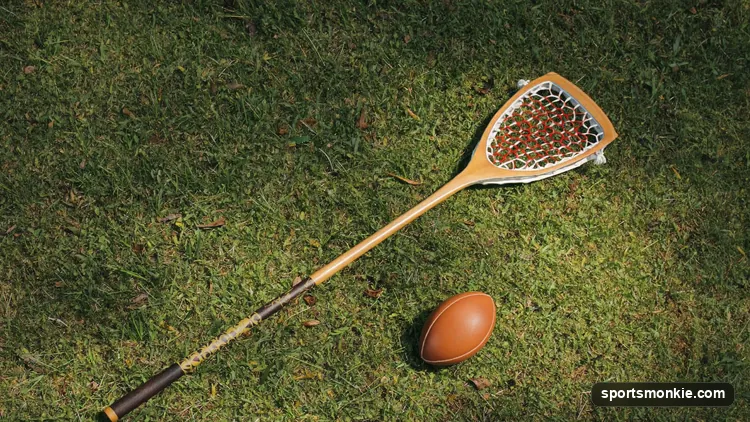
The Lacrosse Medicine Game: Origins and Meaning
Lacrosse began as the Haudenosaunee 'medicine game' or Creator's Game — played for healing, thanksgiving and community. Here's its meaning and living role.
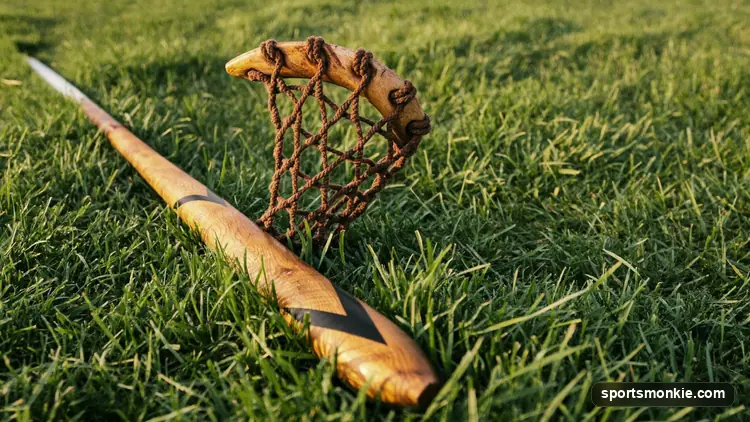
Wooden Lacrosse Sticks: History, Legality and Where to Get One
Wooden lacrosse sticks are still legal under NCAA and World Lacrosse rules. Here is their Haudenosaunee history, where they're allowed, and where to buy one.

Greatest Lacrosse Players of All Time
From Jim Brown to Paul Rabil, these are the greatest lacrosse players in history — ranked by dominance, legacy, and impact on the sport.
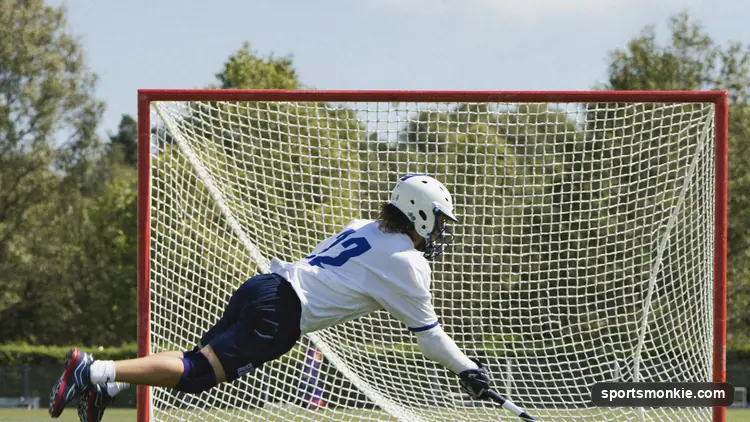
The Attackman Position in Lacrosse
An attackman is an offensive lacrosse player who stays on the attacking half to score and feed. The role, sticks and skills explained.
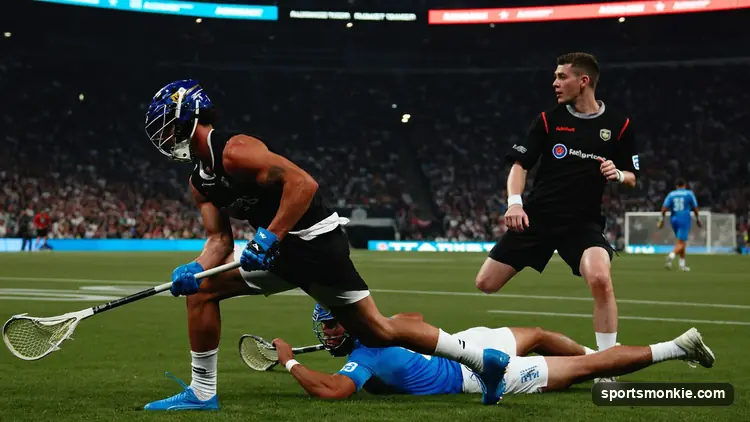
Box Lacrosse vs Field Lacrosse
Box lacrosse is a fast 5-on-5 indoor game; field lacrosse is a 10-on-10 outdoor sport. Rules, field, gear and physicality compared.
Why Lacrosse Is the Fastest Game on Two Feet
"The fastest game on two feet" is lacrosse's nickname. Where it comes from, what makes the sport so fast, and how quick the ball and shots really move.