
Snowboard Gear for Beginners: The Complete Checklist

On this page6
A beginner snowboarder needs a board, bindings, and boots (owned or rented), plus a helmet, goggles, a waterproof jacket and pants, insulated gloves, and moisture-wicking base layers and socks. Renting the board, bindings, and boots while buying the rest new runs roughly $700 to $900 for a first US season. Buying everything new, including a board-bindings-boots package, runs closer to $1,200 to $2,000. Boots come first on any shopping list, since fit matters more there than anywhere else.
That’s the short version. Below is the full checklist with real price ranges, what’s actually bundled in a “beginner package” from a shop like evo or Burton, and the honest math on renting versus buying for your first season.
What gear does a beginner actually need?
Nine things, in the order they matter:
- Board — soft-flexing, all-mountain, sized to your weight.
- Bindings — soft to medium-soft flex, matched to your boot size.
- Boots — soft flex, the one item you should never compromise on fit.
- Helmet — MIPS-equipped where possible.
- Goggles — matched lens tint to the resort’s typical light.
- Jacket and pants — waterproof, windproof, breathable outer shell.
- Gloves or mittens — insulated and waterproof.
- Base layers — moisture-wicking top and bottom, merino or synthetic.
- Socks — thin, purpose-made snowboard socks, not cotton.
Per Snow.com’s gear guide, the board, boots, bindings, and helmet are the pieces most resorts will rent, while outerwear, gloves, base layers, and goggles are the pieces almost every rider ends up owning even in a rental-heavy first season, simply because rental shops rarely stock them and they need to fit your body under multiple layers.
The beginner gear checklist, with price ranges
Prices are current 2025-2026 US retail; expect 20 to 40 percent off during end-of-season sales (typically March through May).
| Item | What to look for | Approx. US price |
|---|---|---|
| Board | Soft flex, hybrid camber or rocker, twin shape | $300-500 |
| Bindings | Soft-medium flex, strap or rear-entry | $150-270 |
| Boots | Soft flex, BOA or traditional lace | $200-280 |
| Helmet | MIPS, adjustable fit | $80-125 |
| Goggles | Interchangeable or wide-light lens | $70-150 |
| Jacket + pants | Waterproof rating 10K+, taped seams | $300-520 |
| Gloves | Insulated, waterproof, gauntlet-style | $50-90 |
| Base layers (top + bottom) | Merino wool or synthetic | $60-100 |
| Socks (2-3 pairs) | Thin, synthetic or merino blend | $45-65 |
A well-fitted boot like the K2 Raider, a popular entry-to-intermediate pick, lists around $279 new, which sits toward the top of that boot range; sale pricing and last-season colorways bring it down considerably. On the helmet side, a MIPS-equipped budget pick like the Giro Ledge, sold through REI, anchors the low end of that $80-125 range and is a common “best value” recommendation for first-timers.
What’s actually in a “beginner snowboard package”?
A package deal, at evo or a shop like it, almost always means one thing: board, bindings, and boots bundled together at a lower combined price than buying each piece separately. It is not a full head-to-toe kit. Complete board-bindings-boots packages there run from roughly $600 on sale up to $1,300 at full retail, depending on the brand tier.
Burton’s own Men’s Beginner Snowboard Package bundles a beginner-friendly board with Step On boots and bindings so the boot-binding connection is pre-matched and foolproof, removing one whole compatibility question for a first-time buyer. Women’s beginner bundles from Burton, like the Cultivator board with Citizen bindings, list around $620 and regularly go on sale closer to $560.
The real value of a package isn’t just the discount, it’s compatibility. A mismatched board-binding disc pattern or a binding sized wrong for your boot are the two most common first-purchase mistakes, and a factory package eliminates both. My take: a package is the right call for your hard goods if you already know your boot size and general skill level. If you’re still unsure whether you’ll like the sport, rent first instead of locking into any package.
Should you rent or buy for your first season?
Rent the board, bindings, and boots for your first few outings. Buy your own helmet, goggles, outerwear, gloves, and base layers from day one.
That split isn’t arbitrary. The hard goods (board, bindings, boots) are the pieces your skill level and preferences will change fastest, so committing to a purchase before you know your stance, your resort’s terrain, or whether you’ll stick with the sport is the expensive mistake. The soft goods (outerwear, base layers, gloves) fit and perform far better when sized to you specifically, rental shops rarely carry a decent range of them, and you’ll wear a jacket and base layers for other winter activities regardless of whether snowboarding sticks.
Day rentals for a full board-boots-bindings setup run roughly $50 to $65 at a smaller hill and closer to $80 to $100 a day at a big-name resort. Season-long rental packages, where you keep the same gear all winter and swap sizes as needed, typically run $250 to $400 depending on the shop and region. Once you’re riding more than eight to ten days in a season, the math tips toward owning: a $500 to $700 hard-goods setup breaks roughly even against $60-a-day rentals by day nine or ten, and then every additional day is free compared to renting.
What does a full beginner setup really cost?
Here’s the worked comparison for a first US season, buying everything new versus renting the hard goods and buying only soft goods.
| Approach | Board + bindings + boots | Helmet + goggles | Outerwear + gloves + base layers | Total |
|---|---|---|---|---|
| Buy everything new | $650-1,050 (package) | $150-275 | $400-710 | $1,200-2,000 |
| Rent hard goods, buy soft goods | $250-400 (season rental) | $150-275 | $400-710 | $800-1,400 |
| Day-rent hard goods (5-8 days), buy soft goods | $300-500 (5-8 rental days) | $150-275 | $400-710 | $850-1,500 |
Outside the US, expect roughly £950-1,600 in the UK, AU$1,800-3,000 in Australia, and CA$1,650-2,750 in Canada for the full buy-everything approach, adjusted for regional retail pricing and taxes. Whichever route you take, the soft-goods spend barely moves, so that’s where a beginner’s real fixed cost sits.
Two levers actually move the total: end-of-season sales, which regularly cut 20 to 40 percent off last year’s hard goods, and buying a factory package instead of three separate items, which usually saves 10 to 20 percent over piecing a setup together yourself.
What protective gear is worth adding?
Wrist injuries are the single most common snowboarding injury for new riders, almost always from bracing a backward fall with an outstretched hand. Dakine’s wrist guards, listed around $35 to $50 at REI, slip inside your gloves and are the cheapest injury prevention on this entire list. Impact shorts, padded at the hip and tailbone, run $40 to $70 and are worth it if you’re learning on icy or hardpack days when falls hurt more.
Neither is required to start, but both are the kind of $40 to $50 line item that prevents a season-ending wrist fracture during week one, when falls are most frequent and least controlled.
For the two hard-goods decisions that matter most, board flex and profile, and binding flex and entry style, see our full breakdowns on choosing a beginner snowboard and beginner snowboard bindings, including sizing charts in our binding size guide. If lessons are part of your first-season budget too, our guide to beginner ski and snowboard lessons covers typical group and private rates by resort.
Sources
Frequently asked questions
What's the minimum gear a beginner needs to snowboard?+
A board, bindings, and boots (owned or rented), plus a helmet, goggles, a waterproof jacket and pants, insulated waterproof gloves, and moisture-wicking base layers and socks. That's the full list. Wrist guards aren't required but are the cheapest injury insurance you can buy for a first season of falls.
Should I rent or buy snowboard gear for my first season?+
Rent the board, bindings, and boots for your first few days while you figure out your stance and skill level. Buy your own outerwear, helmet, goggles, and base layers from day one, since those fit and perform better when they're yours. Once you're committed to five-plus days a season, buying the hard goods pays off.
What's typically included in a beginner snowboard package?+
A retailer 'package' almost always means board, bindings, and boots bundled at a discount versus buying each separately, per evo's snowboard package pages. It rarely includes a helmet, goggles, or outerwear. Confirm exactly what's bundled before comparing the package price to buying pieces individually.
How much does a full beginner snowboard setup cost?+
Budget roughly $1,200 to $2,000 in the US for everything new: a board-bindings-boots package plus helmet, goggles, outerwear, gloves, and base layers. Renting the hard goods and buying only soft goods drops that to around $700 to $900 for a first season. End-of-season sales cut both figures further.
Do beginners really need a helmet and goggles?+
Yes. Falls are frequent and often backward or sideways in the first days, which is exactly when head impacts happen. A mid-range MIPS helmet like the Giro Ledge runs about $80 to $125, and goggles run $70 to $150. Neither is optional gear, whatever your rental shop's default assumptions are.
What should a beginner buy first: board, boots, or bindings?+
Boots first, always. Boots are the one piece that must match your foot exactly, and they double as ski-lodge and lift-line comfort for a full day. Once you know your boot size, pick bindings sized to those boots, then a board that fits your height, weight, and stance width.
Sources
Play & tools
Free browser games and tools — no account, no download.
- Play today's Sports Connections — Today's Sports Connections — daily hints, answers, and play the grid.
- Play Guess the NFL Player — A new mystery NFL player every day. Eight guesses, with a clue on each — plus free unlimited mode.
- Explore all our games →
Related winter sports guides
View all →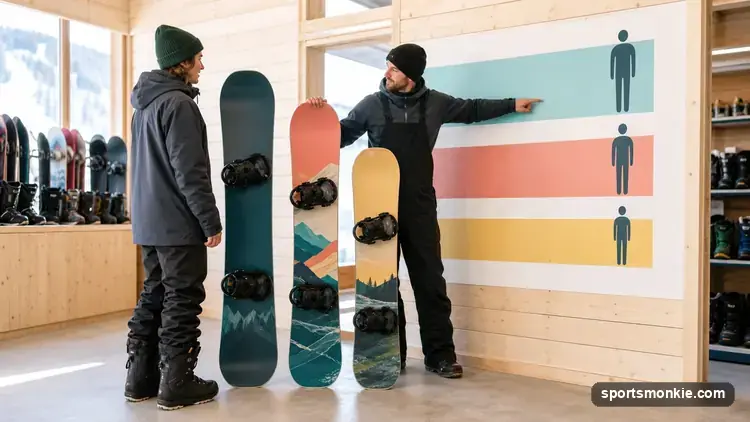
Snowboard Size Chart for Beginners: How to Size a Board
Snowboard size chart for beginners by weight, height, and boot width, plus how riding style shifts the number and the sizing mistakes that ruin a first season.
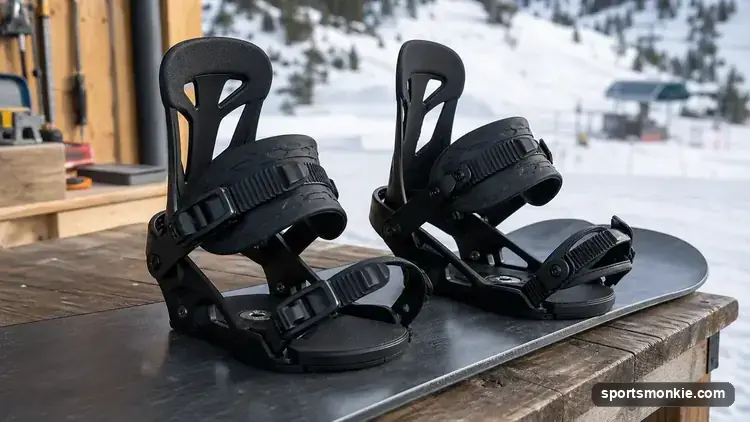
Snowboard Bindings for Beginners: Flex, Fit and Picks
The best snowboard bindings for beginners have soft-medium flex and easy entry. Strap vs rear-entry, sizing, and budget picks with real 2026 prices.
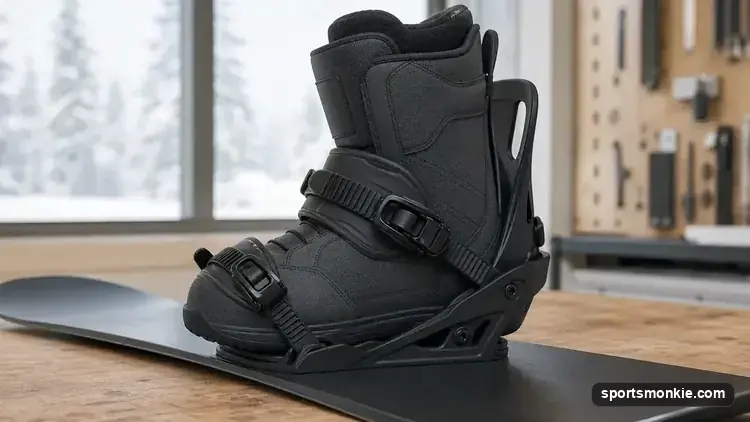
Snowboard Bindings Size Guide: Fit by Boot Size
Snowboard bindings size guide: match size to your boots, compare brand charts, get board width and flex right, and know 2x4, 4x4, and Channel mounting.
Ski Boot Flex Explained: Chart by Weight and Ability
Ski boot flex explained: what the number really measures, why it isn't standardized between brands, plus a flex chart by weight and ability level.
Snowboard for Beginners: How to Choose Your First Board
The best beginner snowboard is soft, all-mountain, and hybrid or rocker. Get profile, flex, and size right, with budget picks and a full gear checklist.
Bouldering Gear for Beginners
The bouldering gear beginners actually need: climbing shoes, chalk and a brush for the gym, plus a crash pad and more for outdoor bouldering.