
10 Best Stretches for Runner's Knee (Plus the Strength Moves That Fix It)
On this page14
- 01Why Stretching Alone Won’t Fix Runner’s Knee
- 02How to Use This Routine
- 031. Foam Rolling the Quads
- 042. Foam Rolling the IT Band and Outer Thigh
- 053. Standing Quad Stretch
- 064. Standing IT Band Stretch
- 075. Hip Flexor Lunge Stretch
- 086. Calf Stretch (Gastrocnemius and Soleus)
- 097. Clamshells (Hip Abductor Strengthening)
- 108. Glute Bridge
- 119. Side-Lying Leg Raises
- 1210. Straight-Leg Raise (Quad and VMO Activation)
- 13A Simple Weekly Runner’s Knee Routine
- 14When to See a Clinician
The best stretches for runner’s knee release the muscles that drag your kneecap off its track — the quads, iliotibial (IT) band, hip flexors, and calves — and then pair that mobility work with strength moves that keep the kneecap aligned once you are running again. Runner’s knee, known clinically as patellofemoral pain, is almost never a problem with the knee itself. It is usually a tight, overworked thigh combined with weak hips, so the fix has two halves: loosen what is pulling, strengthen what is failing. Below are 10 moves, ordered from the fastest relief to the most important long-term fix.
This is general information, not medical advice. If your pain is sharp, swells the joint, or lasts beyond two weeks, see a physical therapist or doctor before pushing through it.
Why Stretching Alone Won’t Fix Runner’s Knee
Tight quads and a tight IT band pull the kneecap outward, so stretching them eases the grinding pain quickly. But the deeper cause is usually weak glutes and hip abductors letting the thigh collapse inward every time your foot lands. That is why this list mixes stretches with strength work — and why cleaning up your proper running form and stride matters as much as any single move. Do the stretches for relief, do the strength moves for the cure.
How to Use This Routine
Warm up with two or three minutes of easy walking or marching first — never stretch a cold muscle hard. Hold each stretch for 30 seconds and repeat twice per side. For the strength moves, start with 2 sets of 10-15 reps and build up. Do the full routine daily while pain is present, then drop to three days a week for maintenance. Slot it in as part of your normal cooldown alongside your usual post-run stretches.
1. Foam Rolling the Quads
Lie face-down with a foam roller under the front of one thigh, supporting your upper body on your forearms. Roll slowly from just above the knee to the top of the thigh, pausing 20-30 seconds on the tightest spots. Tight quads are the number-one mechanical contributor to a kneecap that tracks off-center, so this is the fastest way to take pressure off the joint before a run.
2. Foam Rolling the IT Band and Outer Thigh
Lie on your side with the roller under your outer thigh, between hip and knee, and roll the length of the muscle. It will feel tender — keep the pressure tolerable, not agonizing. The IT band itself does not stretch much, but rolling the muscles feeding into it (the tensor fasciae latae and outer quad) reduces the outward pull on the kneecap. This one pairs directly with the clamshells below.
3. Standing Quad Stretch
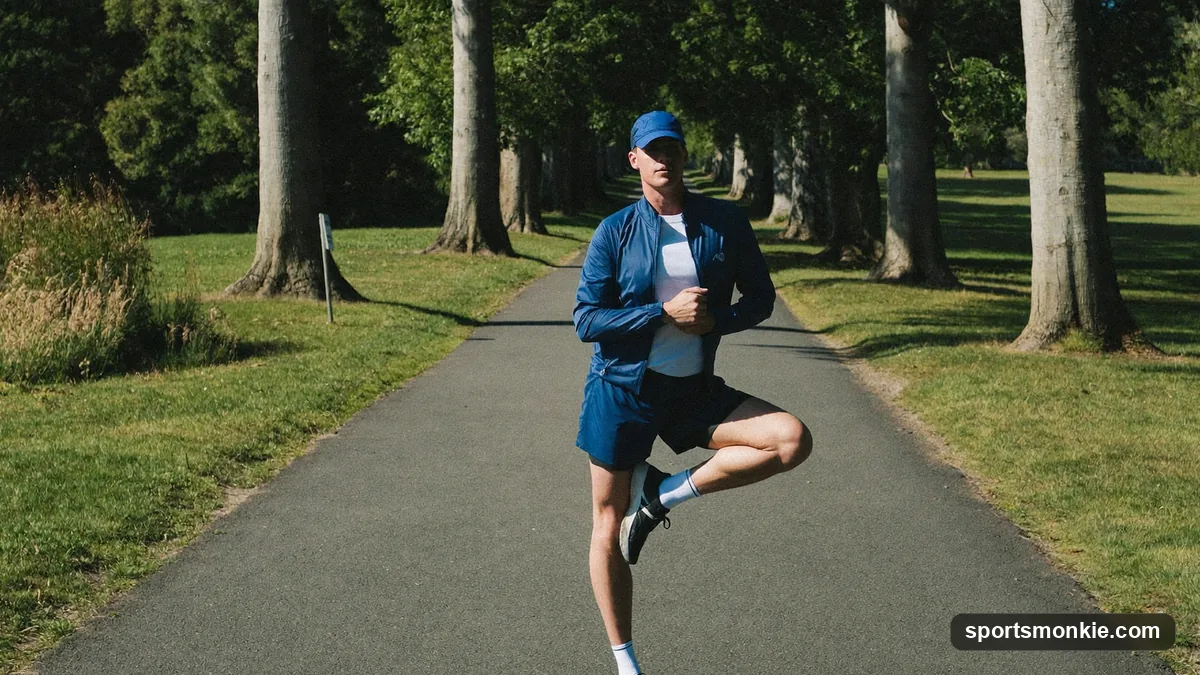
Stand tall, bend one knee, and pull that heel toward your glute with the same-side hand, keeping your knees together and hips pushed slightly forward. Hold 30 seconds. This lengthens the rectus femoris, the quad muscle that crosses both hip and knee and gets chronically short in runners who sit a lot. Use a wall for balance so you can relax into the stretch instead of wobbling.
4. Standing IT Band Stretch
Cross your affected leg behind the other, then lean your torso away from the sore side, reaching your arm overhead until you feel a stretch down the outer hip and thigh. Hold 30 seconds. It targets the tissue that pulls the kneecap laterally. If you ever feel this same outer-hip tightness creeping in during interval running workouts, this is the stretch to reach for between reps.
5. Hip Flexor Lunge Stretch
Drop into a half-kneeling lunge — one foot forward, the other knee on the ground — and gently push your hips forward while keeping your torso upright. You should feel it across the front of the trailing hip. Hold 30 seconds each side. Tight hip flexors tilt the pelvis and change how the thigh loads the knee, so freeing them helps the kneecap track cleanly, especially during the faster efforts in your tempo run sessions.
6. Calf Stretch (Gastrocnemius and Soleus)
Stand facing a wall, step one foot back, and press the heel down with the back leg straight to stretch the upper calf; then bend that knee slightly to reach the deeper soleus. Hold 30 seconds each. Stiff calves limit ankle motion, which forces the knee to absorb more load on every stride. This one matters even more if you are ramping mileage on a marathon training plan for beginners.
7. Clamshells (Hip Abductor Strengthening)
Lie on your side with knees bent about 90 degrees and stacked. Keeping your feet together, lift the top knee like a clamshell opening, without rolling your hips backward. Lower slowly. Do 2-3 sets of 15. This is arguably the single most valuable move on the list — it wakes up the gluteus medius, the muscle that stops your thigh from caving inward and grinding the kneecap. Weak hips are the root cause in most runner’s knee cases.
8. Glute Bridge
Lie on your back, knees bent, feet flat. Squeeze your glutes and lift your hips into a straight line from shoulders to knees, then lower with control. Do 2-3 sets of 12-15. The bridge strengthens the glute max and teaches the hips to extend properly, taking strain off the knee during push-off. Progress to a single-leg version once the standard bridge feels easy.
9. Side-Lying Leg Raises
Lie on your side with the bottom leg bent and the top leg straight. Raise the top leg toward the ceiling, leading with the heel, and lower slowly. Do 2 sets of 15 per side. It builds the same hip abductors as the clamshell but through a fuller range, adding endurance to the muscles that keep your knee stable mile after mile — the kind of durability that keeps form intact late in a 5K training plan.
10. Straight-Leg Raise (Quad and VMO Activation)
Sit or lie with one leg straight and the other bent. Tighten the thigh of the straight leg and lift it about a foot off the floor, keeping the knee locked, then lower slowly. Do 2-3 sets of 12. This strengthens the inner quad (the VMO) without loading the painful kneecap, which is why physical therapists lean on it early in rehab. It is a safe way to rebuild quad strength when squats and lunges still hurt.
A Simple Weekly Runner’s Knee Routine
- Daily while painful: foam roll quads and IT band, then run through all eight stretches and strength moves once.
- Before runs: two minutes of easy movement plus clamshells and glute bridges to switch the hips on.
- After runs: the quad, IT band, hip flexor, and calf stretches as your cooldown.
- Three days a week for maintenance: the full strength set once the pain is gone.
Reintroduce mileage gradually and keep early efforts easy — the aerobic base you build in zone 2 running lets you rebuild volume without spiking the knee. If you are returning from a layoff, restarting with a structured couch to 5K plan keeps the jump in load gentle. And because a low, choppy stride overloads the kneecap, work on lifting your running cadence once the pain has settled. For the bigger picture on structuring easy weeks and progression, see our full running training plan guide.
When to See a Clinician
Stretching and hip-strengthening resolve most runner’s knee, but they are not a cure-all. See a physical therapist or doctor if the pain is sharp rather than a dull ache, if the knee swells or locks, if it gives way under you, or if two to three weeks of consistent rehab bring no improvement. A clinician can rule out other causes and check your running gait directly. Persistent knee pain is a signal to get assessed, not to push through — this article is general guidance, not a diagnosis.
Frequently asked questions
What stretches are best for runner's knee?+
The most effective stretches target the muscles pulling your kneecap off-track: the standing quad stretch, standing IT band stretch, hip flexor lunge, and calf stretch. Pair them with foam rolling the quads and outer thigh. Stretching alone rarely fixes runner's knee, though, so add clamshells and glute bridges to strengthen the hips that keep the kneecap tracking straight.
Should you stretch with runner's knee or rest it?+
Do both. Gentle stretching and hip-strengthening help most cases, but you should also reduce running mileage while the knee is painful. Sharp pain during a stretch means stop. Runner's knee usually improves with a few weeks of relative rest plus daily mobility and strength work rather than complete inactivity, which can weaken the muscles further.
How long does runner's knee take to heal?+
Mild runner's knee often settles within two to six weeks once you cut mileage and start hip-strengthening exercises. More stubborn cases can take a few months. Healing depends on fixing the cause — usually weak glutes, tight quads, or a training spike — not just resting. If pain persists past two weeks, see a physical therapist or doctor.
Is the IT band the cause of runner's knee?+
A tight IT band contributes to runner's knee by pulling the kneecap outward, but it is rarely the whole story. Weak hip abductors and glutes let the thigh rotate inward, which strains the knee. That is why foam rolling the IT band helps in the short term, but hip-strengthening moves like clamshells produce the lasting fix.
Can you keep running with runner's knee?+
You can often keep running at reduced volume if the pain stays mild (under about 3 out of 10) and does not worsen during or after a run. Cut your mileage, avoid downhills and stairs, and shorten your stride. If pain climbs above a dull ache or changes your gait, stop and cross-train until it calms down.
What causes runner's knee in the first place?+
Runner's knee, or patellofemoral pain, usually comes from a sudden jump in training load combined with weak hips, tight quads, or poor running form. When the glutes cannot control the thigh, the kneecap grinds off-center. Downhill running, worn shoes, and a low stride rate all add stress. Fixing load and hip strength addresses most cases.
Sources
Play & tools
Free browser games and tools — no account, no download.
- Play today's Sports Connections — Today's Sports Connections — daily hints, answers, and play the grid.
- Play Guess the NFL Player — A new mystery NFL player every day. Eight guesses, with a clue on each — plus free unlimited mode.
- Explore all our games →
Related guides

8 Hill Running Workouts to Build Speed, Power, and Strength
Eight hill running workouts ranked by training payoff: short hill sprints for power, long repeats for strength endurance, bounding, tempo, and downhill turnover work.

10 Plyometric Exercises for Runners (Build Speed and Economy)
The best plyometric exercises for runners are pogo hops, ankle bounds, and single-leg hops. Ten drills ranked from easiest to hardest to build running economy.
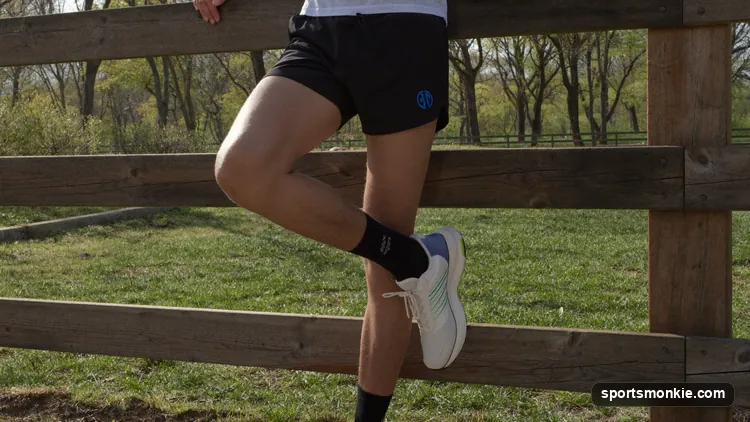
8 Best Post Run Stretches to Recover Faster (Hold Times Included)
The best post run stretches target the calves, hamstrings, hip flexors, quads, IT band, glutes, piriformis, and lower back. Do these 8 static stretches within 10 minutes of finishing, holding each 30 seconds a side.

What Is a False Start in Track? Rules and Disqualification
A false start happens when a sprinter begins before the legal starting signal or reacts early enough to violate the competition’s reaction-time rule.
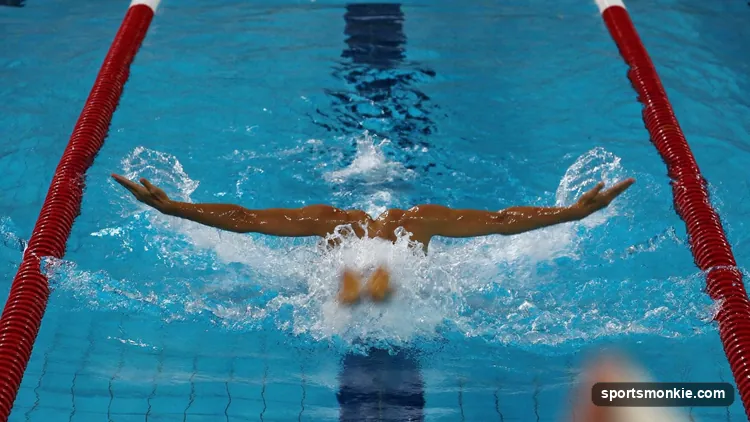
What Is the Individual Medley in Swimming? Order and Rules
The individual medley combines butterfly, backstroke, breaststroke, and freestyle in one race, in that order.

What Is a Faceoff in Lacrosse? Restart and Possession Rules
A lacrosse faceoff starts each quarter and follows goals, with two players competing for the ball while teammates stay outside the restraining area.