
Lacrosse Midfielder Guide: The Two-Way Grind Explained
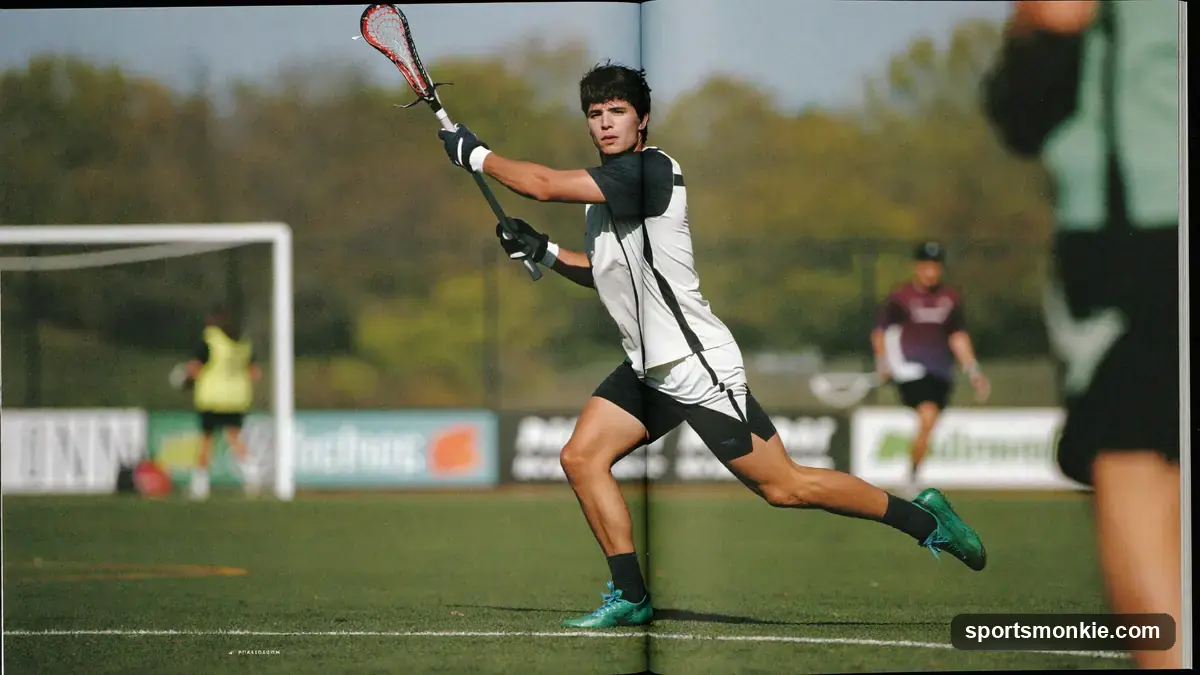
On this page5
A lacrosse midfielder, or “middie,” is one of three players who cover both halves of the field, playing offense and defense on the same shift. Midfielders do the most running of any position and are the only field players who freely cross the midline. The role has splintered into specialists: two-way middies, offensive middies, short-stick defensive middies (SSDMs), long-stick midfielders (LSMs), and faceoff specialists (FOGOs).
Watch a possession flip and the midfielders are the ones sprinting the length of the field while the attackmen and defensemen stay home. That is the whole job.
What does a midfielder do?
Men’s field lacrosse fields 10 players a side: three attackmen who stay on offense, three defensemen who stay on defense, a goalie, and three midfielders who do everything in between. The middie’s core task is transition, moving the ball from the defensive end to the offense and keeping possession while the field flips.
On offense a middie dodges from up top, shoots from range, and feeds the attack. Seconds later, after a turnover, that same player has to hustle back and guard an opposing midfielder. Because they cross the midline constantly, midfielders are also the position most likely to cause an offside penalty if a teammate does not rotate back to cover them.
Why middies run the most
Midfield is the conditioning position. A middie who cannot get up and down the field repeatedly becomes a liability the moment possession changes, so this is where fitness shows up most plainly on the scoreboard.
Because the load is so high, teams do not ask three players to absorb it all game. They rotate two or three full midfield lines and substitute on the fly through a box area, swapping fresh legs in during live play. That substitution freedom is unique to the middle of the field and is why offensive and defensive specialists exist at all.
The five midfielder types
At the youth level, one player usually does all of it. As the game gets faster, the midfield splits into specialized roles that come on and off for specific situations.
| Midfielder type | Stick length | On the field when | Main job |
|---|---|---|---|
| Two-way middie | 40-42 in | Offense and defense | Play both ends every shift |
| Offensive middie (O-middie) | 40-42 in | Team has the ball | Dodge, shoot, feed the attack |
| Short-stick d-middie (SSDM) | 40-42 in | Team is defending | Cover an offensive middie, win ground balls |
| Long-stick midfielder (LSM) | 52-72 in | Defense, faceoffs, man-down | Force turnovers with extra reach |
| Faceoff specialist (FOGO) | 40-42 in | The faceoff | Win possession off the draw, then sub off |
The LSM is the crossover role: a midfielder carrying a defenseman’s long pole, and one of the four long poles a team is allowed on the field. If you want the full picture of how long sticks work, our lacrosse defenseman guide covers the 52-72 inch pole and the checks it enables.
New to picking a position? If you like contact and constant motion but do not want to be pinned to one end of the field, midfield is the fit. Attack rewards finishers, defense rewards patient stoppers, and midfield rewards the engine that never stops. For inspiration, several of the greatest lacrosse players of all time built their reputations as dominant two-way midfielders.
Short stick or long pole?
Almost every midfielder carries a 40-42 inch short stick, the same length attackmen use. The exception is the LSM, whose 52-72 inch pole counts against the team’s four-long-pole limit. Faceoff middies use short sticks with specialized heads built for the clamp at the draw, and offensive middies often prefer a stiffer head for shooting.
The bottom line
The midfielder is the sport’s do-everything role, and the price of admission is elite conditioning. Learn to defend as hard as you attack, get comfortable subbing on the fly, and pick the specialist lane, offense, defense, long pole, or faceoff, that matches your strengths. The middies who can genuinely play both ways are the ones who never leave the field.
Freshness note: the three-midfielder alignment, 40-42 in short stick and 52-72 in long pole are stable men’s field rules; re-check the current NCAA/NFHS rulebook each season for on-the-fly substitution or stick tweaks.
Frequently asked questions
What does a midfielder do in lacrosse?+
A midfielder plays both offense and defense, carrying the ball through the middle of the field to transition it from defense to attack. Middies dodge and shoot on offense, then sprint back to guard opposing middies on defense. They also take faceoffs and cover the most ground of any position.
How many midfielders are on the field in lacrosse?+
Three per team in men's field lacrosse, which fields 10 players a side: three attackmen, three midfielders, three defensemen, and a goalie. Midfielders are the only field players who freely cross the midline into both halves, so long as the team keeps its required players on each side.
Is midfield the hardest position in lacrosse?+
Many players say so, because midfielders are the only ones asked to play full-field offense and defense on the same shift. The position demands the most conditioning, which is why teams rotate two or three midfield lines and substitute on the fly. Attack and defense are more specialized; midfield is the endurance grind.
What is an SSDM in lacrosse?+
SSDM stands for short-stick defensive midfielder. It is a midfielder who checks in specifically when the team is on defense, using a 40-42 inch short stick to cover an opposing offensive middie. Teams usually run two SSDMs to win ground balls and contain dodgers without spending a long pole.
Do midfielders play offense and defense?+
Yes. Two-way midfielders play both ends, and at the youth level almost every middie does. As players specialize, teams add offensive middies who mainly attack and short-stick defensive middies who mainly defend, plus a long-stick midfielder for extra defensive coverage. But the classic middie is a full-field, both-ways player.
Sources
Play & tools
Free browser games and tools — no account, no download.
- Play today's Sports Connections — Today's Sports Connections — daily hints, answers, and play the grid.
- Play Guess the NFL Player — A new mystery NFL player every day. Eight guesses, with a clue on each — plus free unlimited mode.
- Explore all our games →
Related guides
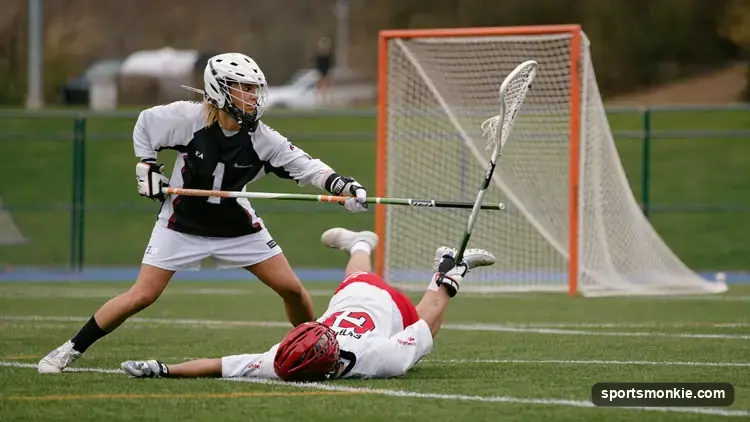
Lacrosse Defenseman Guide: Role, Skills and Stick Setup
A lacrosse defenseman uses a 52-72 inch long pole to stop attackmen. Learn the role, the checks, the stick rules, and how many long poles a team can field.
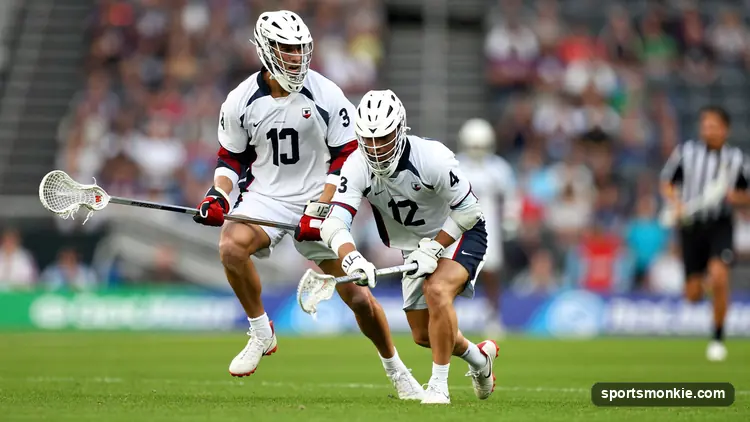
What Is an SSDM in Lacrosse? The Short-Stick D-Middie Explained
An SSDM in lacrosse is a short-stick defensive midfielder who covers opposing middies. Learn the role, how it differs from an LSM, and how to play it.
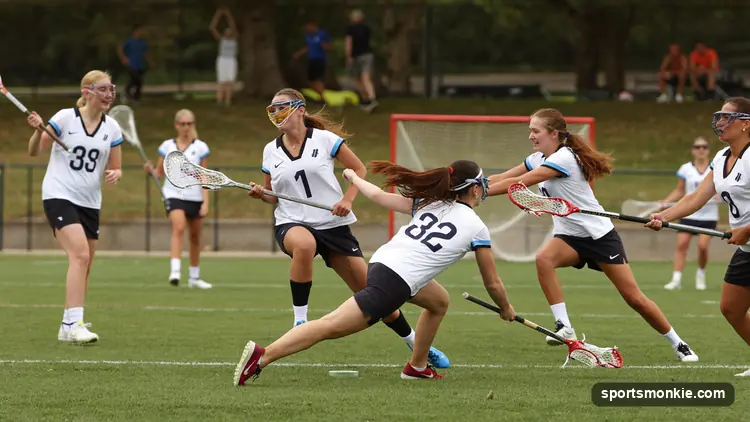
Women's Lacrosse Positions Explained: All 12 Roles
Women's lacrosse fields 12 players a side. Here are all 12 positions — attack, midfield, defense and goalie — with each role and field zone explained.
How to Break In a Lacrosse Pocket the Right Way
Break in a lacrosse pocket with wall ball, targeted stretching and small string adjustments — and stay inside the NCAA pocket-depth rule while you do it.
PLL vs NLL: The Two Pro Lacrosse Leagues, Compared
PLL vs NLL compared: field vs box lacrosse, teams, seasons, rules and player pay — the two pro lacrosse leagues in one side-by-side table.
The Attackman Position in Lacrosse
An attackman is an offensive lacrosse player who stays on the attacking half to score and feed. The role, sticks and skills explained.