
What Is a Derby in Football? Local Rivalry Matches
On this page5
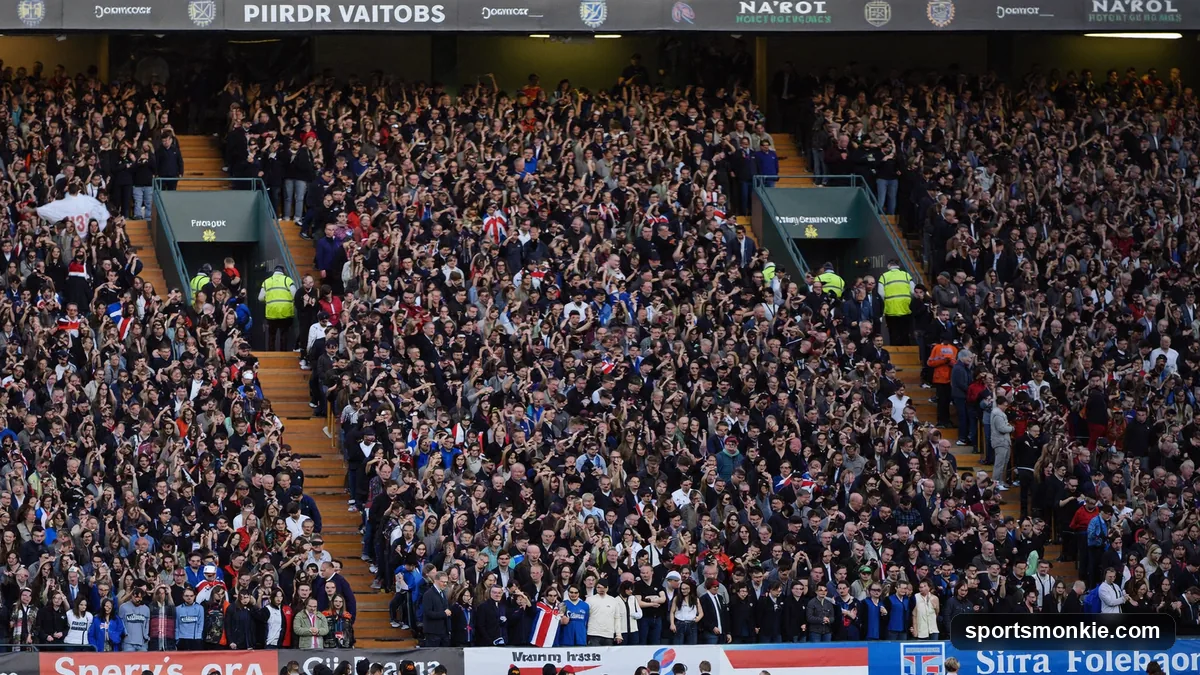
A derby in football is a match between two rival clubs, usually from the same city or region. Local derbies — Manchester, Merseyside, Milan — are the classic form, but the term now also covers national rivalries like El Clasico. Derbies bring extra intensity, bragging rights and unpredictability, and form often counts for little on the day.
What makes a match a derby
At its core a derby is about rivalry and proximity. Two clubs sharing a city, a region or a long history develop a rivalry that turns their fixtures into something bigger than three points. The divide can be geographic, historic, religious, political or class-based, and it is passed down through generations of supporters.
Where the word comes from
| Origin theory | Detail |
|---|---|
| The town of Derby | Chaotic Shrovetide folk football between local parishes |
| The Derby horse race | Founded by the Earl of Derby; a byword for a big local contest |
However it began, “local derby” came to mean any keenly fought match between neighbouring teams, and the term travelled across world football.
The most famous derbies
Some rivalries are known worldwide: El Clasico (Barcelona–Real Madrid), the Manchester derby (United–City), the Merseyside derby (Liverpool–Everton), the North London derby (Arsenal–Tottenham), the Milan derby (Milan–Inter), the Old Firm (Celtic–Rangers) and the Superclasico (Boca–River). Each carries its own flashpoints and folklore, and many are showcased across the best football leagues.
Is El Clasico really a derby?
Strictly, Barcelona and Real Madrid are from different cities, so El Clasico is a national “super” rivalry rather than a same-city derby. But the word has broadened to describe any intense, high-profile clash, which is why it is universally called one.
Why derbies defy the form book
The emotional charge levels the field. A struggling side will lift itself against a stronger local rival, and league position matters far less than usual — records like the most clean sheets in the Premier League can go out of the window on derby day. That unpredictability is exactly why derbies are football’s most anticipated fixtures. For more history and rules, see our football guides and Premier League records.
Frequently asked questions
What is a derby in football?+
A derby is a match between two rival clubs, traditionally from the same city or area, that carries special significance beyond the points. The rivalry can be geographic, historic, religious, political or class-based. Derbies are known for raucous atmospheres, high stakes and results that defy the form book, because the emotion of the occasion often outweighs which team is stronger on paper.
Why is it called a derby?+
The most common explanation traces it to the English town of Derby and the chaotic 'Shrovetide' folk football played there between local parishes, though some link it to the Derby horse race founded by the Earl of Derby. Over time 'local derby' came to mean any keenly contested match between neighbouring teams, and the word spread across world football.
What are the most famous football derbies?+
Among the most famous are El Clasico (Barcelona vs Real Madrid), the Manchester derby (United vs City), the Merseyside derby (Liverpool vs Everton), the North London derby (Arsenal vs Tottenham), the Milan derby (AC Milan vs Inter), the Old Firm (Celtic vs Rangers) and the Superclasico (Boca Juniors vs River Plate). Each has its own history and flashpoints.
Is El Clasico a derby?+
It is often called a derby, though strictly the two clubs are from different cities — Barcelona and Madrid — so it is a national or 'super' rivalry rather than a local derby. The term 'derby' has broadened over the years to cover any intense, high-profile rivalry, which is why El Clasico is widely described as one even without the same-city element.
Why do derbies matter so much?+
Derbies decide local bragging rights that last until the next meeting, and they often carry deeper identity — neighbourhoods, histories, religion or politics divided along club lines. That emotional weight means players and fans treat them differently from ordinary fixtures. It also makes them unpredictable: a struggling team can lift itself to beat a title-chasing rival on derby day.
Does league position matter in a derby?+
Less than usual. Derbies are famous for upsets because motivation, nerves and atmosphere level the playing field. A team fighting relegation will often raise its game against a stronger local rival, and managers know a good season can be partly forgiven — or ruined — by derby results. Form guides are notoriously unreliable on these days, which is part of what makes them compelling.
Sources
Play & tools
Free browser games and tools — no account, no download.
- Play 38-0 — Sign a 4-4-2 of all-time football legends and chase a perfect 38-0 league season — perfect, not just unbeaten.
- Explore all our games →
Related football guides
View all →
What Is a False Nine in Football? The Role Explained
A false nine is a centre-forward who drops deep into midfield instead of staying up front, dragging defenders out of position and creating space for teammates.
What Is a Nutmeg in Football? (Panna)
A nutmeg in football is playing the ball through an opponent's legs and collecting it on the other side. Also called a 'panna,' it's one of the game's cheekiest skills.
What Is a Brace in Football? Meaning and Origin
A brace in football means two goals scored by the same player in a single match. Here's where the term comes from and how it differs from a hat-trick.
What Is a Clean Sheet in Football? Meaning Explained
A clean sheet means a team finishes a match without conceding a goal. Here's what it means for goalkeepers and defenders, and how it's recorded.
Penalty Shootout Rules Explained (Football)
A penalty shootout decides a tied knockout match: teams take five penalties each, alternating, and the side with more goals wins. If level, it goes to sudden death.
What Is Extra Time in Football? The 30 Minutes
Extra time in football is two 15-minute halves played when a knockout match is level after 90 minutes. If still tied, it goes to a penalty shootout.