
What Is a Clean Sheet in Football? Meaning Explained
On this page5
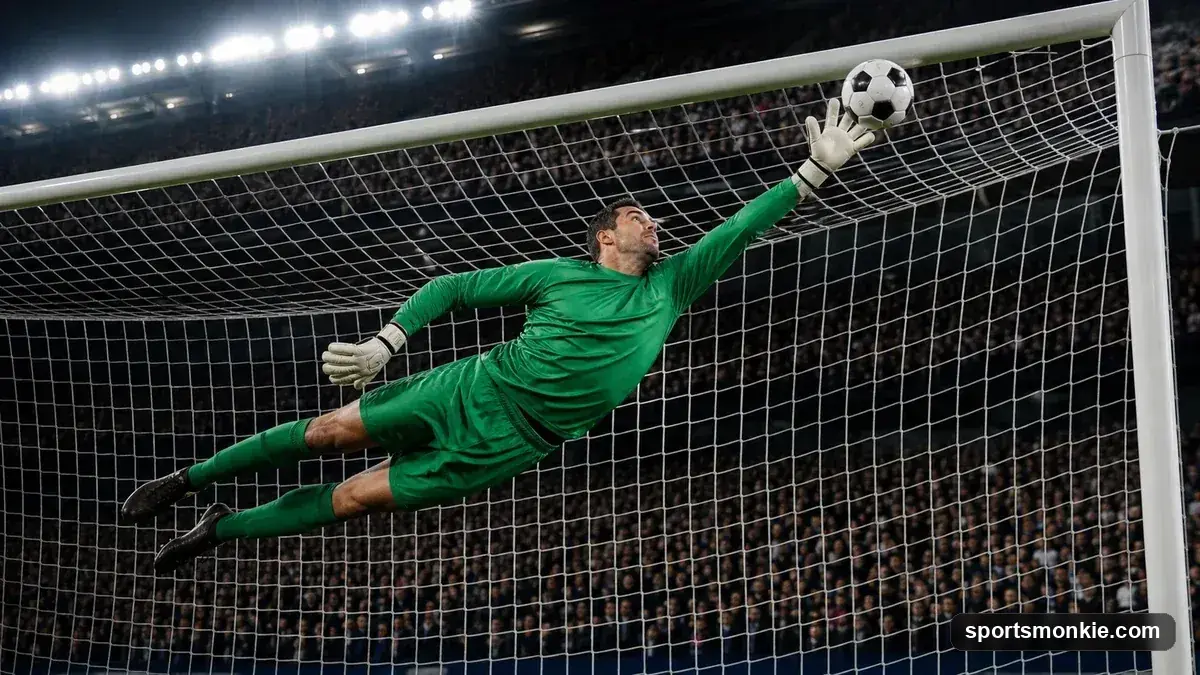
Attackers get the headlines, but ask any goalkeeper what they care about most and the answer is usually the same: keeping a clean sheet. It is the defensive equivalent of scoring, a full match with the opposition kept off the scoreboard, and it shapes how the best defensive units are judged.
What it actually means
A clean sheet is simply a match in which your team concedes zero goals. Win 1-0, 3-0, or draw 0-0, and you have a clean sheet. Concede even once and it is gone, no matter how many you score at the other end. A 5-1 win is a great result, but it is not a clean sheet.
The credit is shared. The goalkeeper is the headline name, but a clean sheet reflects the whole defensive effort: the back line, the midfield screening in front of them, and even attackers who track back.
Why it comes from a scoresheet
The phrase is literal. Match officials and scorers kept a sheet recording goals for each side. If a team conceded nothing, their column stayed blank, a “clean” sheet with no marks against them. The expression stuck long after paper scoresheets gave way to databases.
How it is credited
Team clean sheets are straightforward: no goals conceded, clean sheet recorded. Individual goalkeeper clean sheets can be a little stricter, and the exact rule depends on the competition.
| Scenario | Clean sheet? |
|---|---|
| Team wins 2-0 | Yes |
| Match ends 0-0 | Yes (both teams) |
| Team wins 4-1 | No |
| Keeper plays full match, concedes none | Yes, individually credited |
| Keeper subbed off after a goalless spell, team later concedes | Often not credited individually |
Many leagues require a goalkeeper to play a minimum share of the match, sometimes the full 90 minutes, to be personally credited. This is why individual clean sheet counts and team clean sheet counts can differ slightly across a season.
Why it matters
Clean sheets are one of the clearest signs of a strong defense. Teams that win titles almost always keep a high number of them, because a side that rarely concedes only needs one goal to win. Defensive-minded managers often build from this idea, prioritizing structure and organization before worrying about attack.
For goalkeepers and defenders, clean sheets are also a personal badge. Awards for the best goalkeeper in a league often lean heavily on how many they kept. In fantasy football, clean sheets earn defenders and keepers bonus points, which is why so many managers obsess over which teams are hardest to score against.
The link to attacking terms
A clean sheet is the mirror image of the attacking milestones fans celebrate. While a striker chases a brace or hat-trick, the defense chases the opposite goal of a blank scoresheet. Both come down to the same 90 minutes, and the best teams manage to do both at once.
Follow enough matches and clean sheets become a quick shorthand for defensive quality. A team on a long run of them is usually organized, disciplined, and very hard to beat, whatever their attack is doing.
Frequently asked questions
What is a clean sheet in football?+
A clean sheet is when a team does not concede any goals in a match. If the final score means the opponent scored zero, the defending team and goalkeeper are credited with a clean sheet.
Does a goalkeeper need to play the whole match for a clean sheet?+
Rules vary by competition, but commonly a goalkeeper must play the full match, or a set portion of it, without conceding to be individually credited. Team clean sheets are recorded regardless of substitutions.
Where does the term clean sheet come from?+
It comes from the scoresheet. If a team conceded no goals, that side of the sheet stayed 'clean' with no goals marked against them.
Sources
Play & tools
Free browser games and tools — no account, no download.
- Play 38-0 — Sign a 4-4-2 of all-time football legends and chase a perfect 38-0 league season — perfect, not just unbeaten.
- Explore all our games →
Related football guides
View all →
What Is a Derby in Football? Local Rivalry Matches
A derby in football is a match between two rival clubs, usually from the same city or region. Think the Manchester derby, El Clasico or the Merseyside derby.

What Is a False Nine in Football? The Role Explained
A false nine is a centre-forward who drops deep into midfield instead of staying up front, dragging defenders out of position and creating space for teammates.
What Is a Nutmeg in Football? (Panna)
A nutmeg in football is playing the ball through an opponent's legs and collecting it on the other side. Also called a 'panna,' it's one of the game's cheekiest skills.

What Is a Brace in Football? Meaning and Origin
A brace in football means two goals scored by the same player in a single match. Here's where the term comes from and how it differs from a hat-trick.

Penalty Shootout Rules Explained (Football)
A penalty shootout decides a tied knockout match: teams take five penalties each, alternating, and the side with more goals wins. If level, it goes to sudden death.

What Is Extra Time in Football? The 30 Minutes
Extra time in football is two 15-minute halves played when a knockout match is level after 90 minutes. If still tied, it goes to a penalty shootout.